
The Sagrada Familia, the Gothic Quarter, Park Gǔell, Las Ramblas, the Boqueria Market. These are the most popular sites in Barcelona. Everyone goes to them. Multiple times. And you should go at least once. But this dynamic city of 1.6 million denizens has much more to offer than a handful of tourist-taxed sites. If you want to see something truly memorable while also getting a breather from the masses, here is a collection of 8 underrated and unusual things to do in Barcelona.
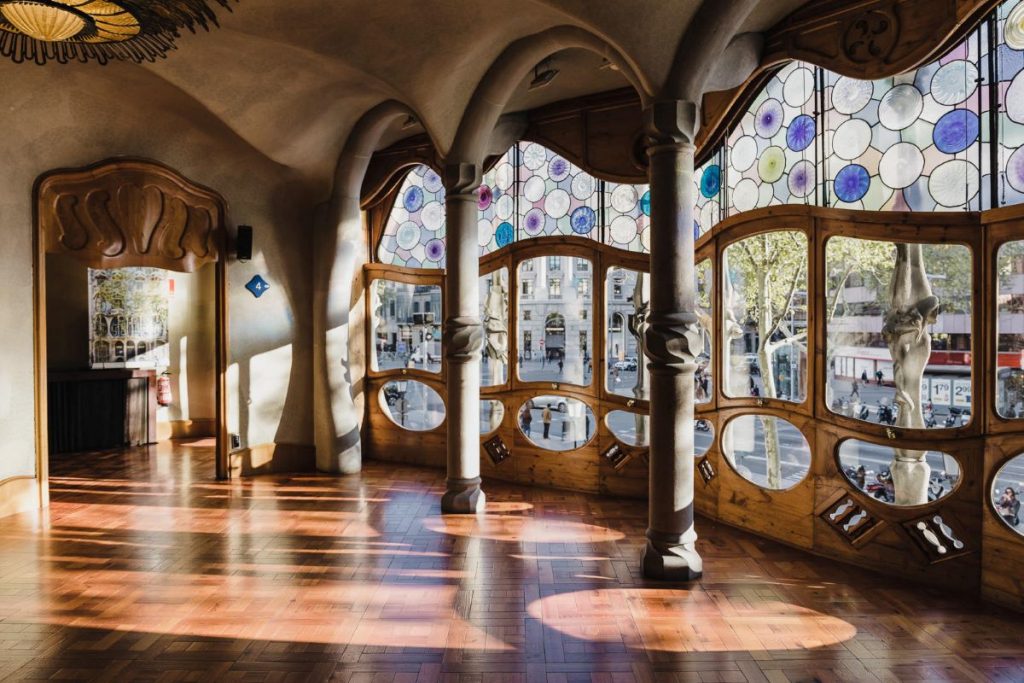
Unusual Things to Do in Barcelona
Bellesguard
Okay, so you are definitly going to take a Sagrada Familia tour, the masterpiece of design and architecture by Antoni Gaudí. And no doubt, you will see his other works scattered around Barcelona, such as Casa Batlló, La Pedrera, and Park Güell. But there’s another Gaudi masterpiece that happens to be his least visited work in Barcelona.
Take our advice and go to Bellesguard – which means “beautiful view” in Catalan. The 125-year-old house is a stunner, combining elements of neo-gothic and modern architecture. If you visit in the morning, there are English-language guided tours.
Catalan Museum of Archeology
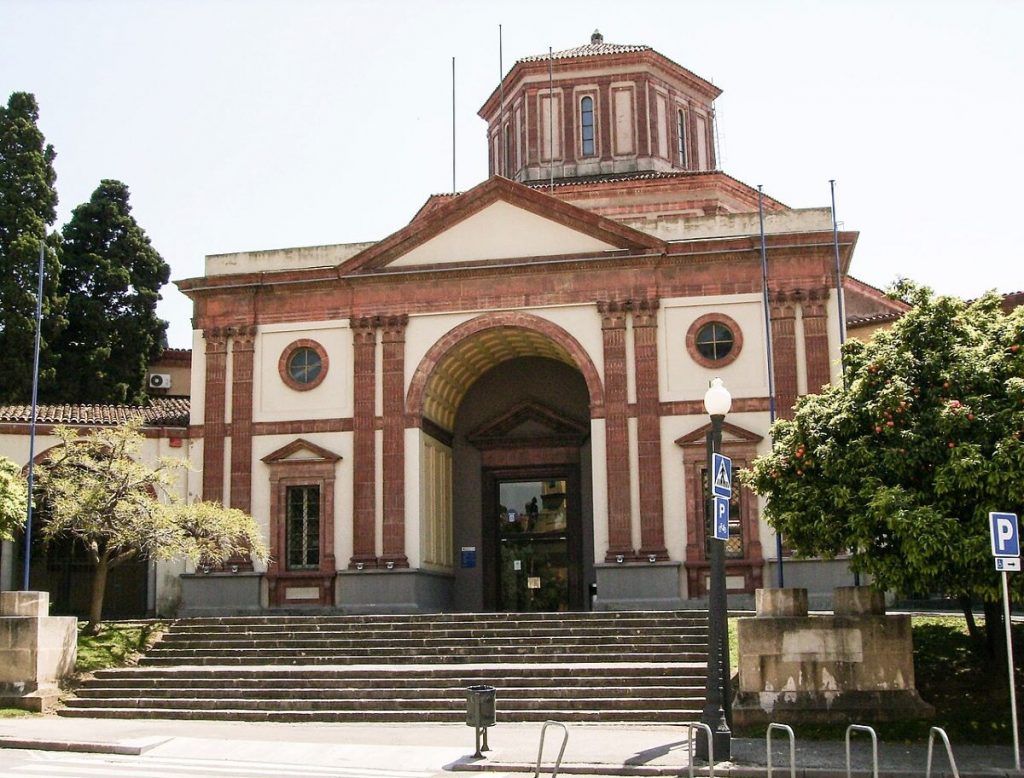
Focusing on prehistory and ancient times, the Catalan Museum of Archeology is one of the great, under-valued museums of the Catalan capital. Covering the Phoenicians, Romans, Greeks, and Visogoths, the museum has an impressive collection of stone remnants here.
One of the more curious objects in the collection is the statue of Priapus, a Roman and Greek god. We won’t say what Priapus was known for, except that we get the English words “phallus” and “prepuce” from his name.
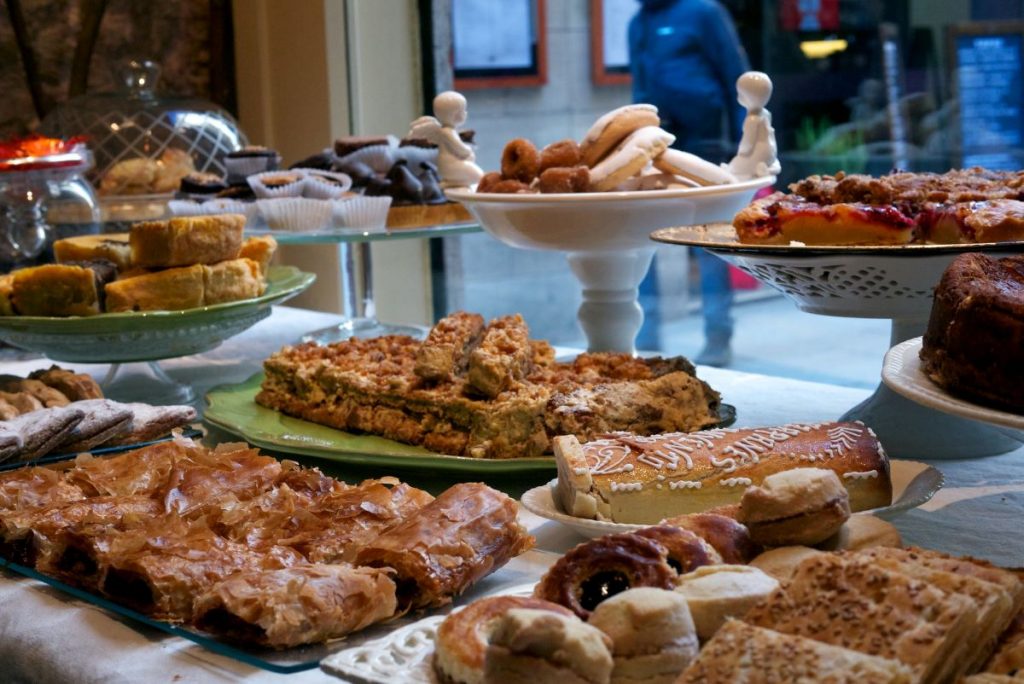
Caelum
Monks and nuns were the great craft makers and cooks of the Middle Ages. And if you go to Caelum you can feast upon the edible craftiness of monks and nuns in the 21st century.
Opened in 1996 with the intention of “bringing heaven closer to earth,” the founders forged deals with monasteries and cloisters all over Spain to bring the food and drink that monks and nuns make to this restaurant in the Gothic Quarter.
The cafe, located in the stone-walled, arched-ceiling cellar, mostly offers food on the sweet side, so a visit is perfect for an afternoon pick-me-up. It’s open daily.
Montjuïc Cemetery
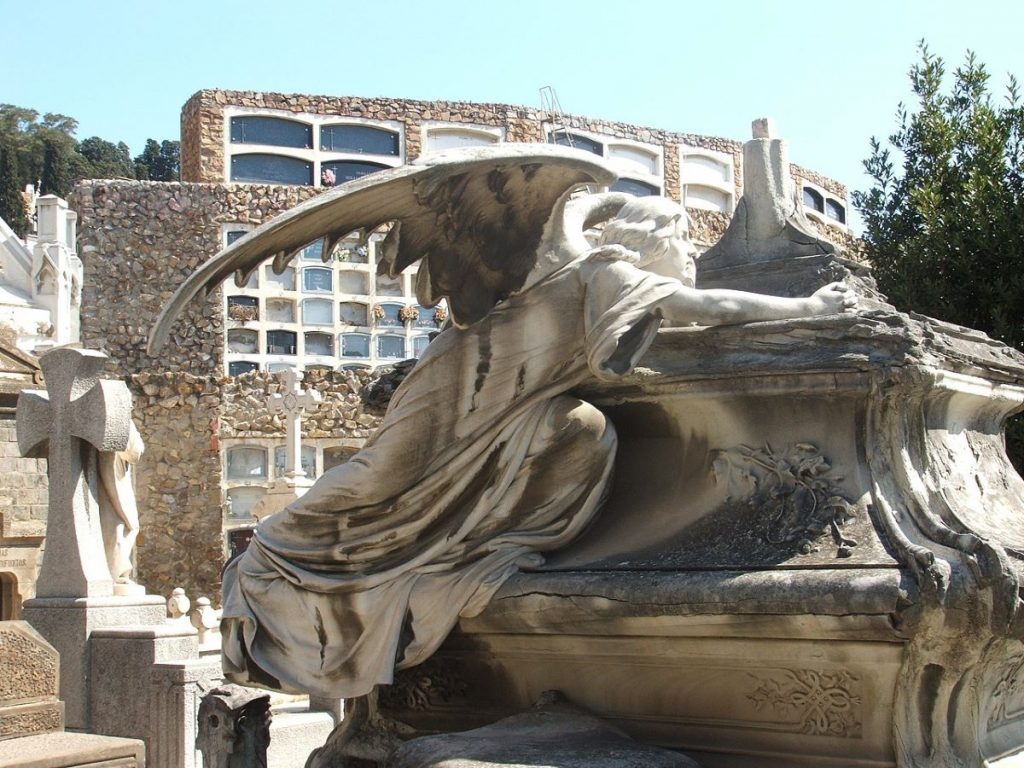
The biggest cemetery in Barcelona is the home of the graves of artist Joan Miró, who died in 1983, and Catalan leader Buenaventura Durruti, who left this world in 1936.
But Montjuïc also happens to be a pretty weird and intriguing site. The cemetery boasts a variety of curious modern statues on graves that make for a fun wander. Another interesting part to see is the Grave of the Quarry, or el Fossar de la Pedrera: a mass grave of 4,000 people murdered by pro-Franco supporters during the Civil War.
Labyrinth Park of Horta
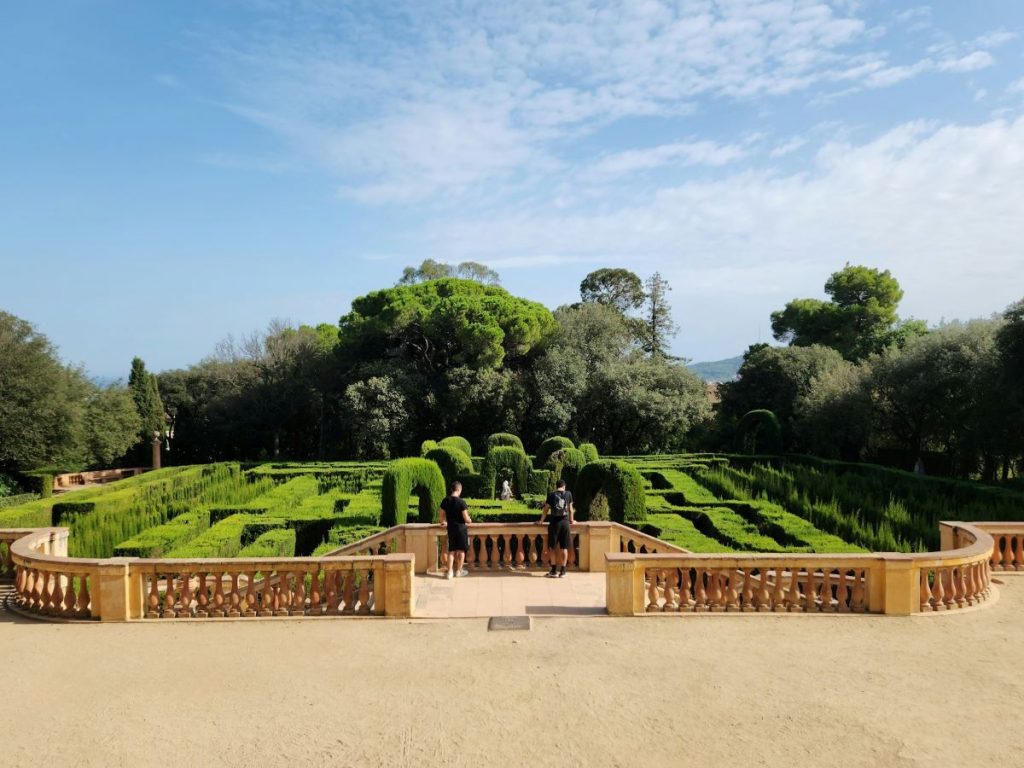
Parc del Laberint d’Horta, or the Labyrinth Park of Horta is a great way to get lost in Barcelona without the fear of ending up in an unsavory part of town. Located near the University of Barcelona, the quasi-hidden gem of landscape architecture has been confusing visitors and locals alike since 1791. The labyrinth itself is over 2,000 feet of disorientation.
Barcelona Sewers
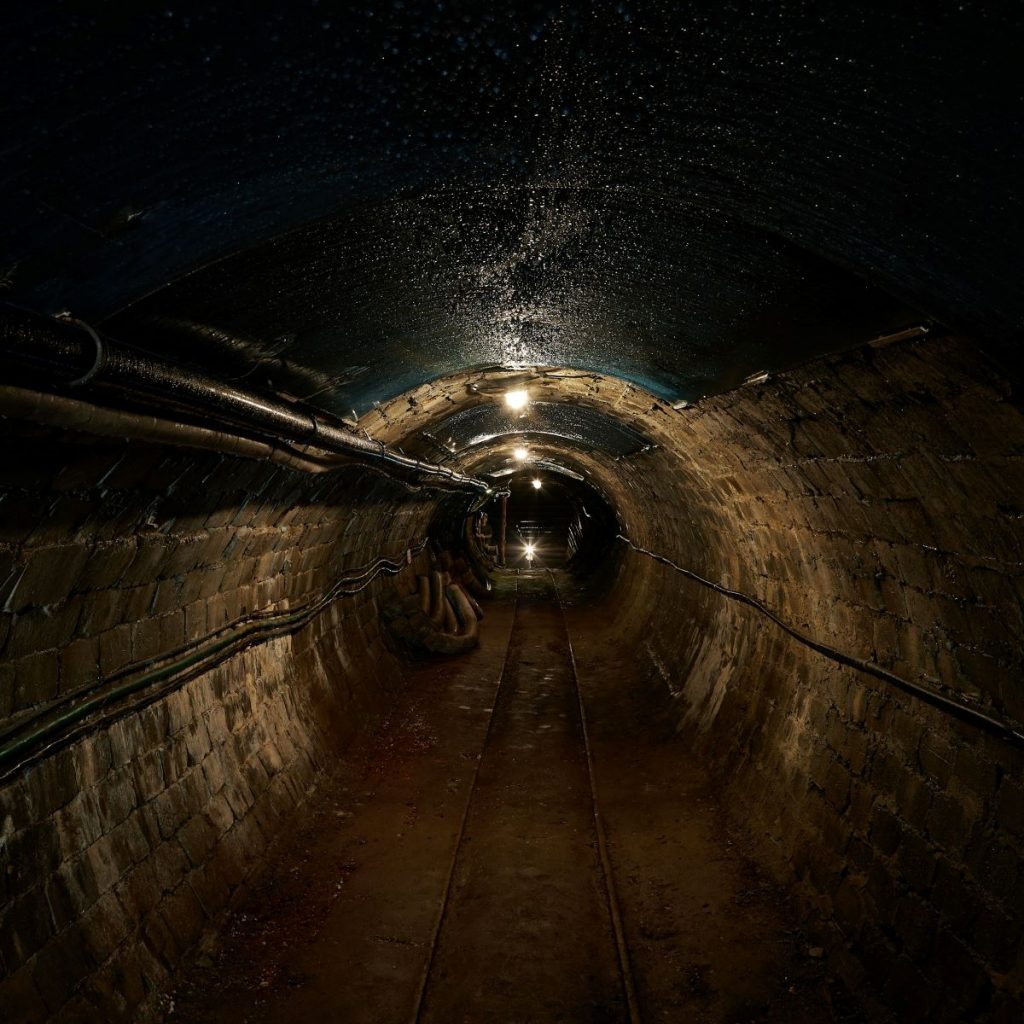
You can get away from it all by going underground. Literally. The first sewers in Barcelona were constructed by the Romans when the city was known as Barcino, and the modern sewers were dug in 1886.
And today, you can descend into the bowels of Barcelona to stroll around the long, concrete-laden halls of the Barcelona Sewers. There are about 1,000 miles of sewer tunnels below the city but, have no fear, you’ll only have access to a small amount here.
The Funeral Carriage Museum
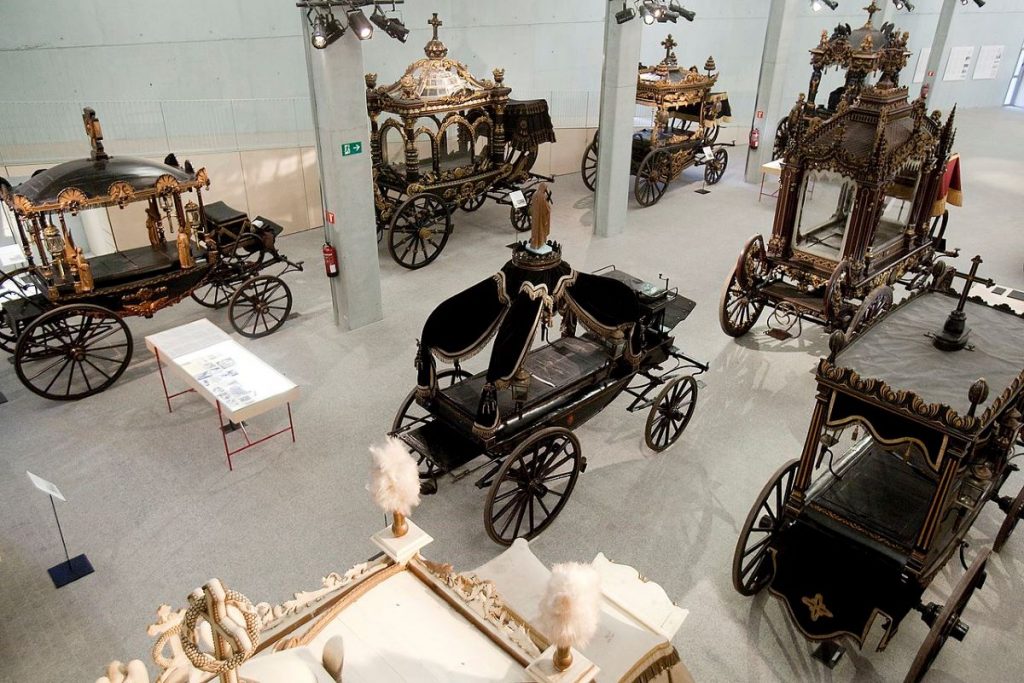
The Funeral Carriage Museum makes our list for unusual things to do in Barcelona for obvious reasons. You need not have an obsession with death to enjoy the Funeral Carriage Museum or, in the local parlance, Museu de Carrosses Fúnebres de Barcelona.
But it wouldn’t hurt. After all, you might not have cared about the way they transported cadavers in the past. But after a visit to this fascinating and under-appreciated museum, you may take more interest in the topic.
The museum houses some beautiful, intriguing, and foreboding images related to death and the afterlife. It’s enough to offer a healthy reminder of the impermanence of life that we all face.
Turó de la Rovira
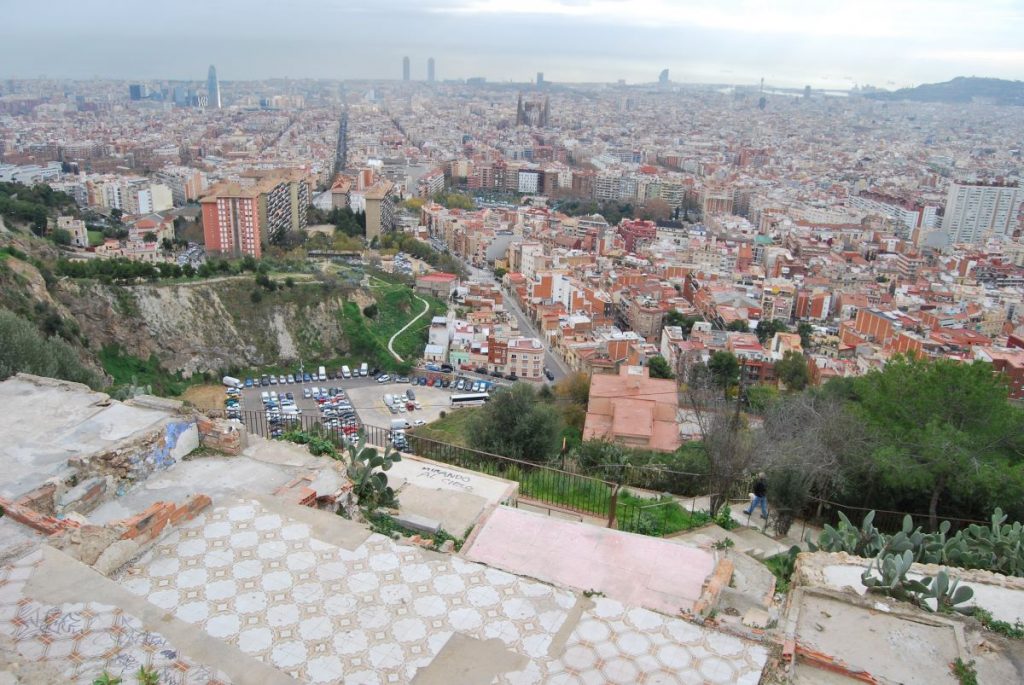
Also known as Rovira Hill, as well as the Bunkers of Carmel, this Spanish Civil War-era site from 1938 concealed anti-aircraft fortifications.
Despite the name, there are no bunkers here, and the plus-sized anti-aircraft guns are long gone. Just a lot of concrete. And oh yeah, the views. People head up the hill (or take bus number 92 or 119) to get one of the best, sprawling views of Barcelona.
FAQ´s – Unusual Things To Do In Barcelona
How do I get to these lesser-known places in Barcelona?
Barcelona’s public transport system makes it easy to reach even its more unusual attractions. The metro and bus network covers most of the city, with places like the Labyrinth Park of Horta, Turó de la Rovira, and Montjuïc Cemetery all accessible by public transport. Buses are often the best option for hilltop locations, while the metro is ideal for museums and sites closer to the center. Taxis and ride-hailing apps are also affordable and convenient for spots that require a bit more navigating.
Are these unusual things to do expensive to visit?
One of the best things about exploring Barcelona off the beaten path is that many of these sites are either free or very affordable. Turó de la Rovira and Montjuïc Cemetery. Small entrance fees apply to places like Bellesguard, the Labyrinth Park of Horta, and certain museums, but prices are generally much lower than Barcelona’s headline attractions. Exploring neighborhoods and stopping into cafes like Caelum is also free unless you indulge in treats. Some museums offer free entry on specific days or times, so it’s worth checking official websites before you go.
Do I need to book tickets in advance?
For most of these hidden gems, advance booking isn’t essential. However, places like Bellesguard or the Barcelona Sewers may have limited guided tour slots. Therefore, eserving ahead is recommended if you’re visiting during peak season or you are on a short schedule. Museums with small capacities can also fill up quickly on free-entry days, so planning ahead will help you avoid disappointment.
Ready to make your visit to Barcelona truly unforgettable?
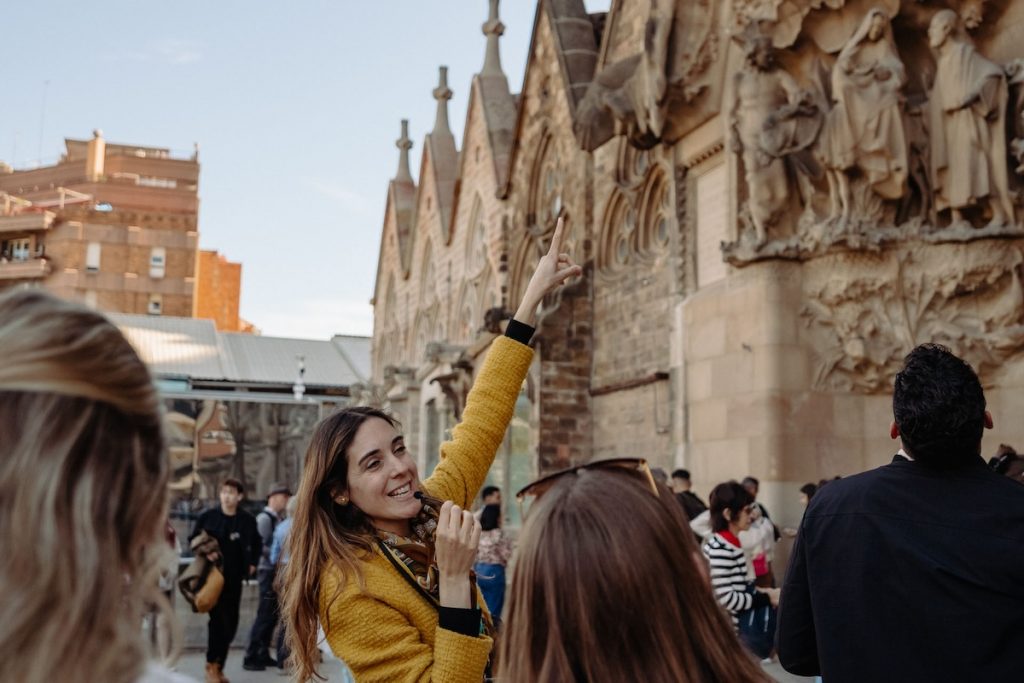
Head over to the La Sagrada Familia tours page on Take Walks and choose from a range of expertly crafted experiences that you can enjoy alongside these unusual things to do in Barcelona. Opt for the skip-the-line guided tour, an early-access experience before the crowds arrive, or a combo tour that pairs La Sagrada Familia with other architectural gems like Park Güell. There really is an option to suit every traveller’s interest and schedule.