

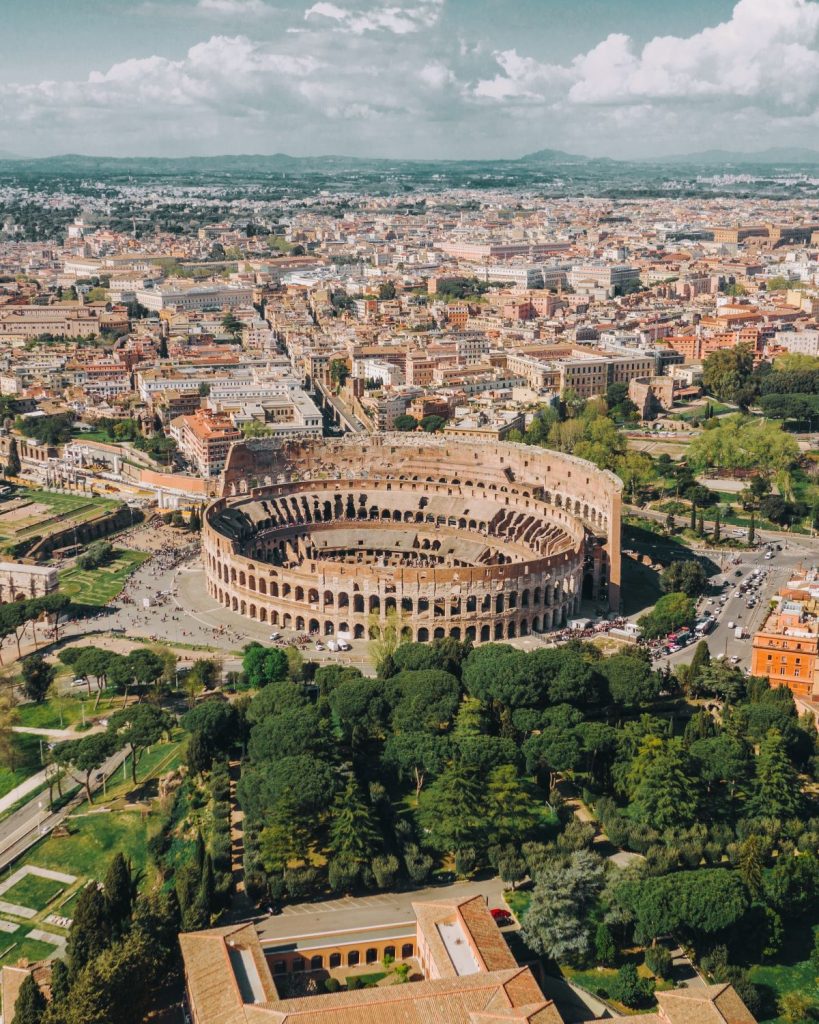
Rome has a way of making time feel elastic. One moment you’re dodging Vespas on a modern street. The next, you’re standing before an ancient monument that has witnessed nearly two millennia of human history. At the center of it all stands the Colosseum, an immense, elliptical amphitheater that still dominates the city’s skyline. It does so just as it did when emperors ruled and gladiators fought for glory. It´s therefore a must-see when you visit Rome…but make sure you do it right! Read on to find out the best way to see the Colosseum…
The Best Way To See The Colosseum
A Monument Born of Power and Spectacle
Construction of the Colosseum began around AD 72 under Emperor Vespasian. It rose from the ashes of Nero’s Golden House, a deliberate act of political theatre. By AD 80, when his son Titus inaugurated the arena, it could hold more than 50,000 spectators, each seated according to their social rank. It was more than an entertainment venue. It was a tool of control and unity. For centuries, crowds gathered to watch gladiatorial combat, animal hunts, and elaborate public spectacles. Each event celebrated Rome’s might and distracted its citizens from daily hardships.
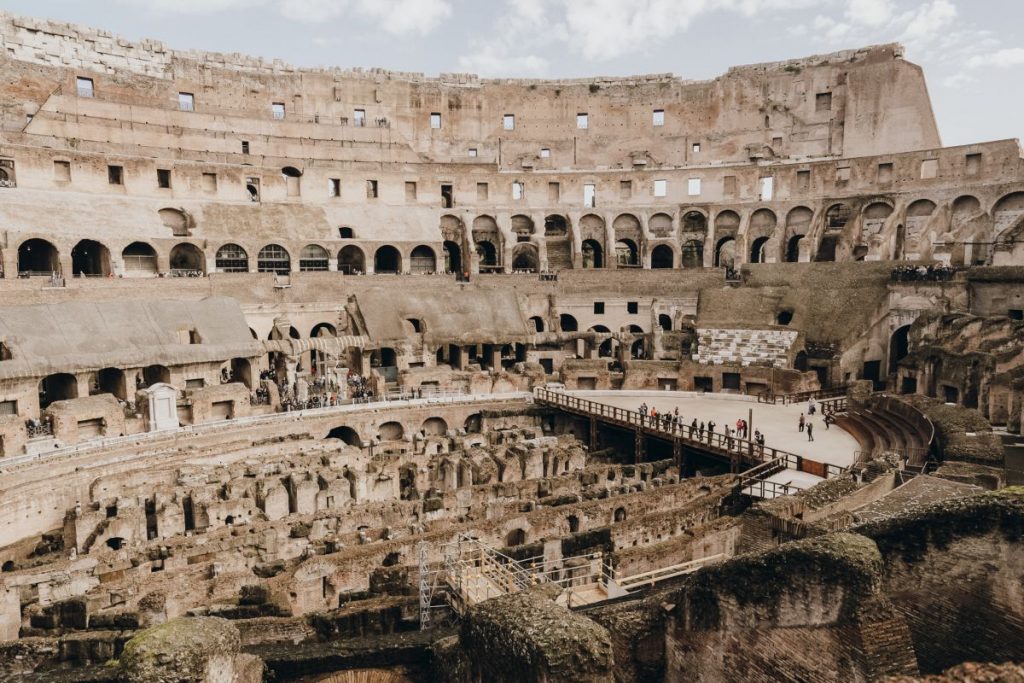
Engineers of the time created an architectural marvel. Elevators lifted wild animals to the arena floor. Awning systems shaded the crowd from the Mediterranean sun, and complex tunnels beneath the stage allowed for surprise entrances and seamless choreography. Today, despite earthquakes, looting, and pollution, the Colosseum still stands. Its arches are weathered, yet majestic, a tangible reminder of a civilization that shaped the modern world.
Seeing the Colosseum: Beyond the Selfie
Most visitors will inevitably find themselves here, craning their necks beneath its monumental façade. But there’s a difference between seeing the Colosseum and understanding it.
The best way to see the Colosseum isn’t just through a camera lens or from the bustling crowds outside. It’s about stepping inside, peeling back the centuries, and getting to the very heart of its story.
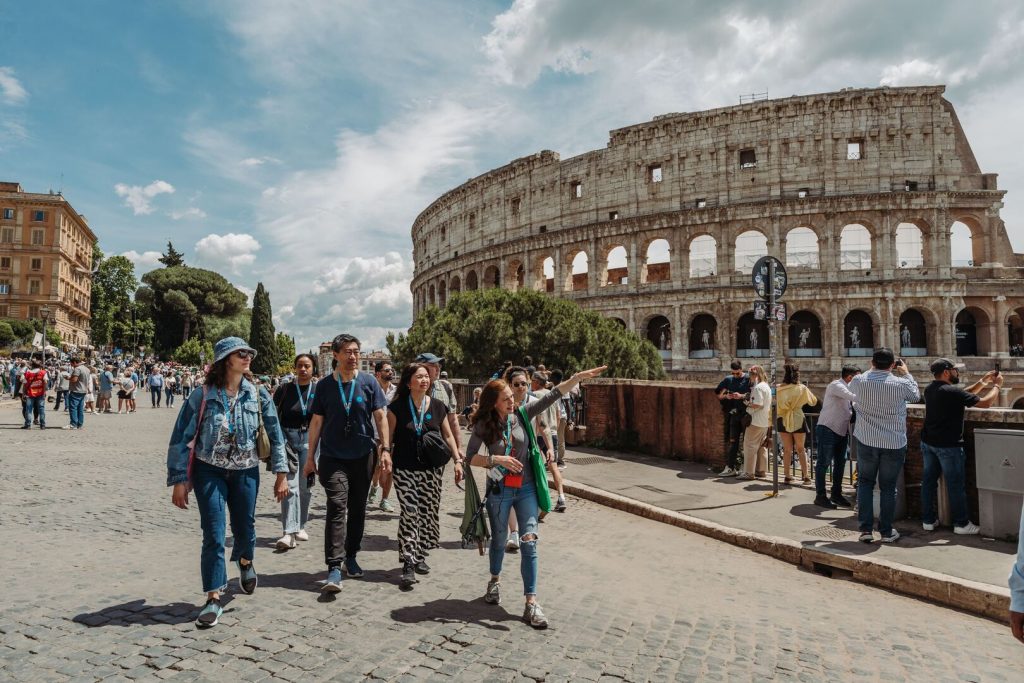
A standard ticket allows access to the main levels, impressive, but barely scratching the surface.
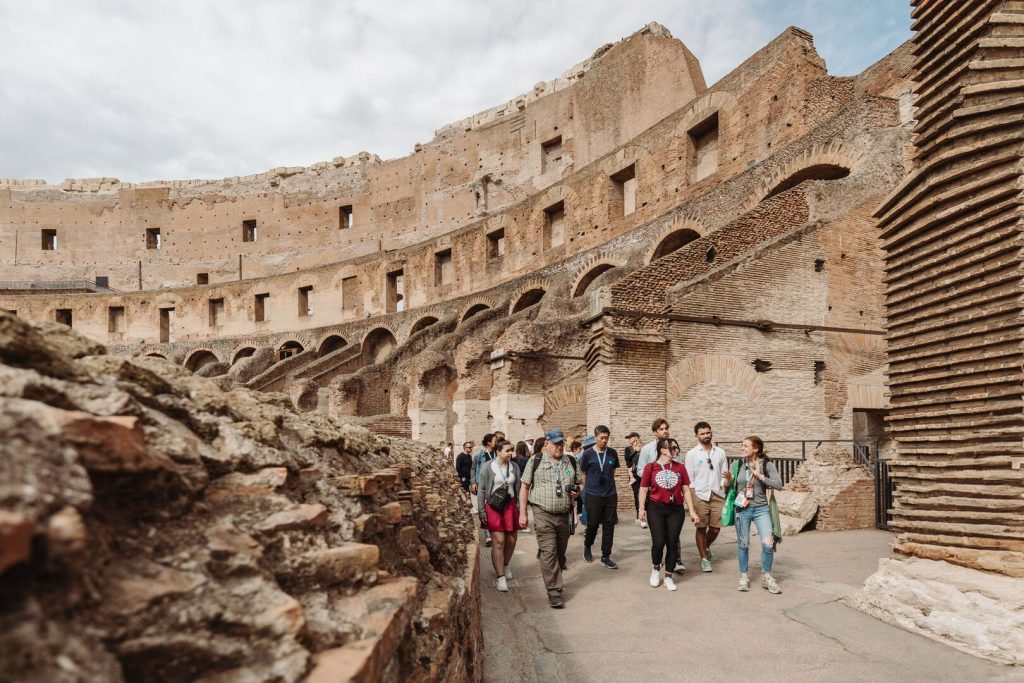
Beneath your feet lies the hypogeum, an intricate network of underground chambers where gladiators waited in darkness for their moment under the sun. Above, the upper tiers reveal stunning views of the Roman Forum and Palatine Hill, once the heart of imperial power.
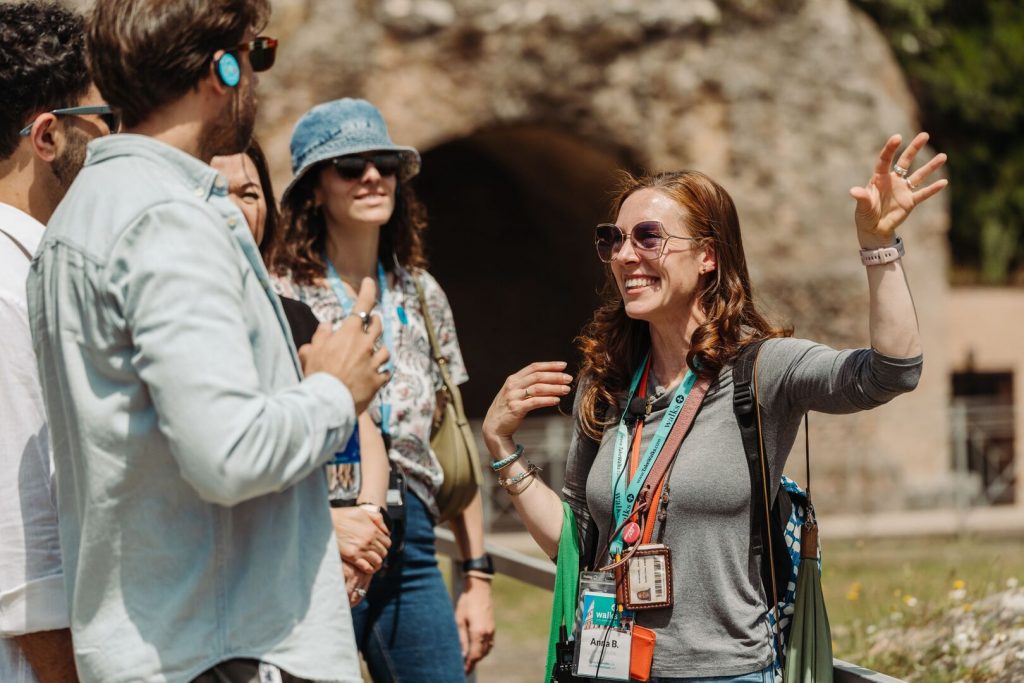
Without context, though, the Colosseum can feel like an empty shell. Its stones speak in whispers. To hear them, you need someone who knows their language. The best way to see the Colosseum is to combine its sights with its stories, and let the past come alive as you move through its ancient corridors.
A Living Museum
The Colosseum has lived many lives. In the Middle Ages, it became a fortress. Later, it was used as a quarry for marble that ended up in Renaissance palaces and churches. By the 18th century, the popes declared it sacred ground, partly as a symbol of Christian martyrdom, partly to protect it from further destruction.
Today, it’s both a tourist magnet and an archaeological site, balancing preservation with accessibility. Around seven million people visit each year, drawn not only by its history but by what it represents: the endurance of human ambition and creativity.
Yet the best way to see the Colosseum remains rooted in exploring its lesser-known corners, and understanding its layered past.
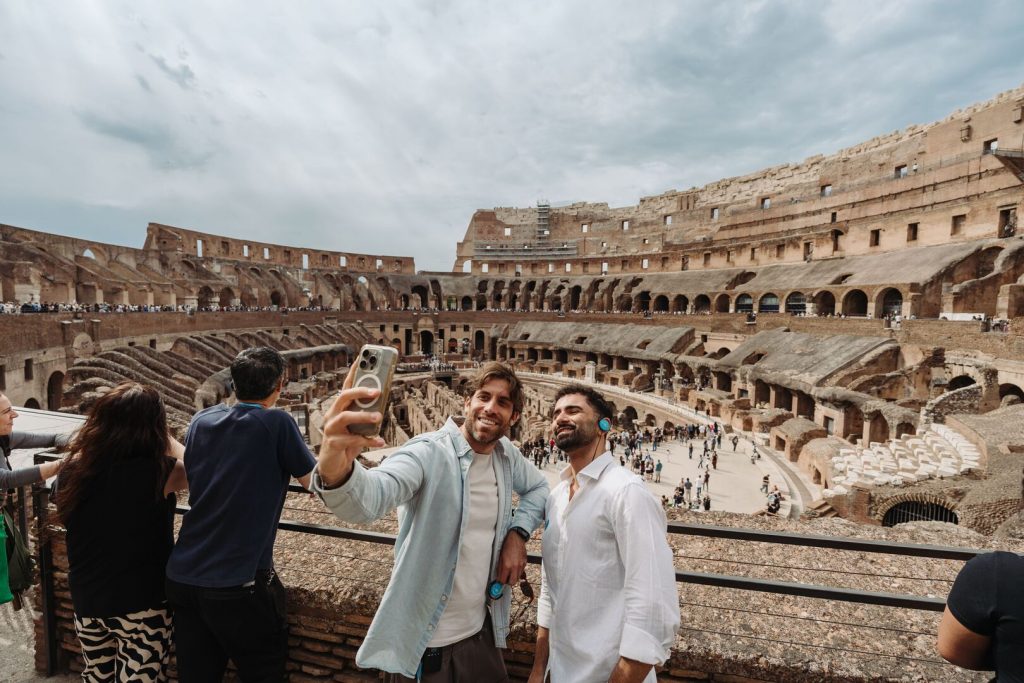
How to Make the Most of Your Visit
A few practicalities make the experience far smoother:
- Book early, especially in peak season.
- Go early or late in the day to avoid crowds and harsh sunlight.
- Wear good shoes – the ancient stones are uneven and slippery after rain.
- Bring water and a hat – Rome’s summers are unforgiving.
But the real secret isn’t timing, it’s perspective. The best way to see the Colosseum is to connect yourself to the people who once filled these stands: the vendors, soldiers, senators, and slaves. For that, a guided experience can transform a static monument into a living story. Our Private Colosseum Tours allow you to explore at your own pace without rushing, with freedom to slow down in moments that matter to you.
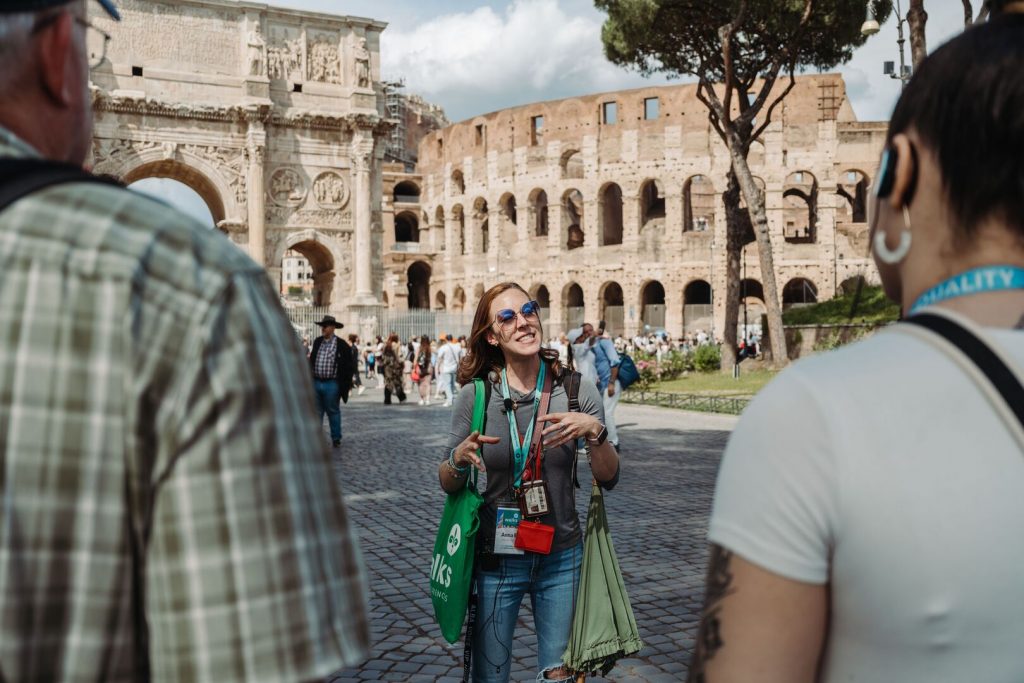
Stepping Inside History
Several guided options now offer deeper access to areas closed to the general public, the arena floor, underground tunnels, and upper levels. These aren’t gimmicks; they’re gateways into the Colosseum’s inner workings. Standing on the reconstructed arena floor, it’s easy to imagine the roar of 50,000 spectators and the blinding glare of midday sun on sand.
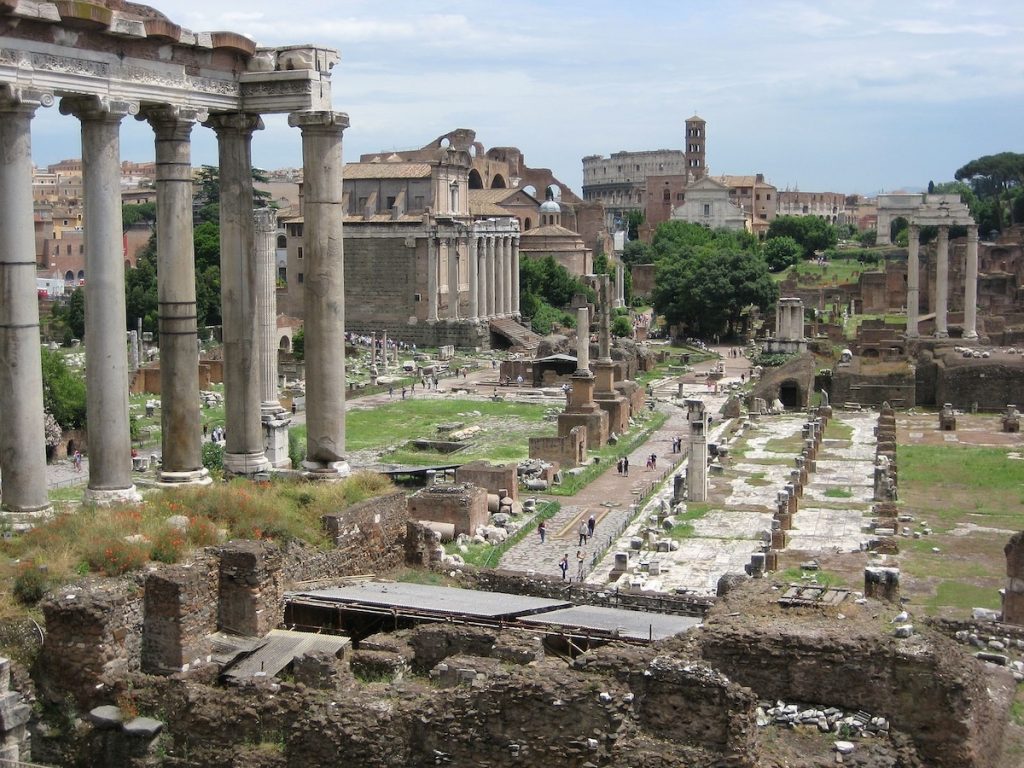
One of the most incredible experiences is the Premium Colosseum Tour with Roman Forum & Palatine Hill, which includes these restricted areas along with expert narration from historians who specialize in ancient Rome. Their tours tend to be small and immersive, focusing less on tourist trivia and more on context and storytelling.
It’s an experience that ties together the Colosseum, Roman Forum, and Palatine Hill, a full arc of Rome’s evolution from myth to empire to ruin. For those who want to go beyond snapshots and actually feel the weight of history, this is among the most insightful and, indeed, the best way to see the Colosseum and its surroundings.
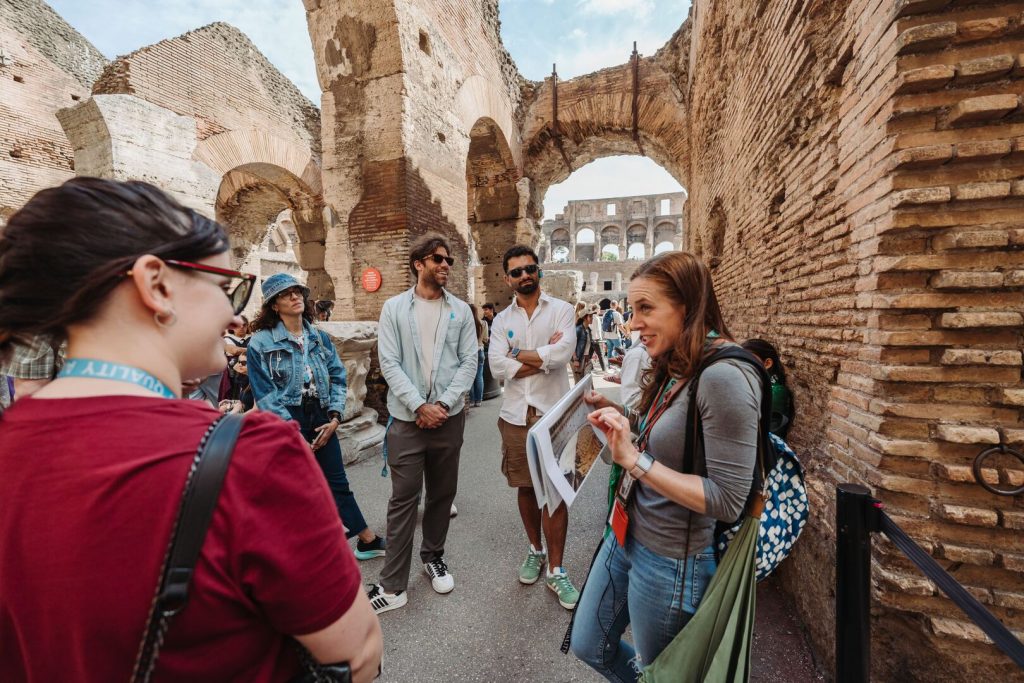
The Arena’s Enduring Power
Even stripped of its marble and its crowds, the Colosseum remains one of the most stirring places in Europe. In its shadow, you sense both the brilliance and brutality of Rome, the ingenuity that built an empire and the human cost that sustained it.
To stand here is to confront the paradox of civilization itself: our capacity to create wonders, and our fascination with spectacle. Whether you see it alone or with a guide, the Colosseum has a way of staying with you long after you’ve left its arches behind. But with the right storyteller by your side, it doesn’t just endure, it lives again.
If you’re seeking the best way to see the Colosseum, choose the path that lets you touch its history, not just its stones.
FAQs – The Best Way to See the Colosseum
What is the best time to visit the Colosseum?
You should visit the Colosseum early in the morning when it opens, or late in the afternoon before closing. These times provide softer light, cooler temperatures, and smaller crowds, which together create a more memorable experience.
Should I book skip-the-line tickets for the Colosseum?
Yes. Skip-the-line tickets save you hours during peak season and let you use your time in Rome more effectively. You should always book in advance, especially if you want access to special areas like the arena floor or underground.
Is a guided tour worth it at the Colosseum?
A guided tour offers one of the best ways to see the Colosseum. Expert guides bring the ancient stones to life with stories and context. Many tours allow you access to restricted sections not available with a standard ticket.
What are the Colosseum opening hours?
Opening hours vary seasonally, typically from 8:30 AM to one hour before sunset. You should always check the official website before your visit, as times can change and special closures may occur.
What ticket options are available for the Colosseum?
Several ticket types exist: standard entry, tickets that include the Roman Forum and Palatine Hill, and special tickets for restricted areas like the arena floor and hypogeum. Guided tours often include these premium tickets for a more immersive experience. Check out Colosseum Tickets Explained: Top Tips for the Best Choice for more information.
Want to experience the Colosseum the way ancient Rome intended?
An expert-led experience like the Premium Colosseum Tour. lets you go far beyond a standard visit. You’ll step into the underground tunnels where gladiators once waited before combat, stand on the arena floor where history’s most dramatic spectacles unfolded, and climb to the upper levels for incredible views of the amphitheater and the Roman Forum beyond. All while a knowledgeable guide brings the legends and realities of ancient Rome vividly to life.
Book your Premium Colosseum Tour and discover the Colosseum from every level.