

Lisbon reveals itself best through its flavors and its music. Indeed, fado in Lisbon is the soulful 19th-century music genre and living soundtrack of the city. Add this to the tastes available in traditional neighborhood taverns, and the city’s culture comes alive in a way you can see, hear and savor.
These historic traditions, woven into the very fabric of the city, continue to shape daily life, local gatherings, and the unique character of Lisbon’s neighborhoods.
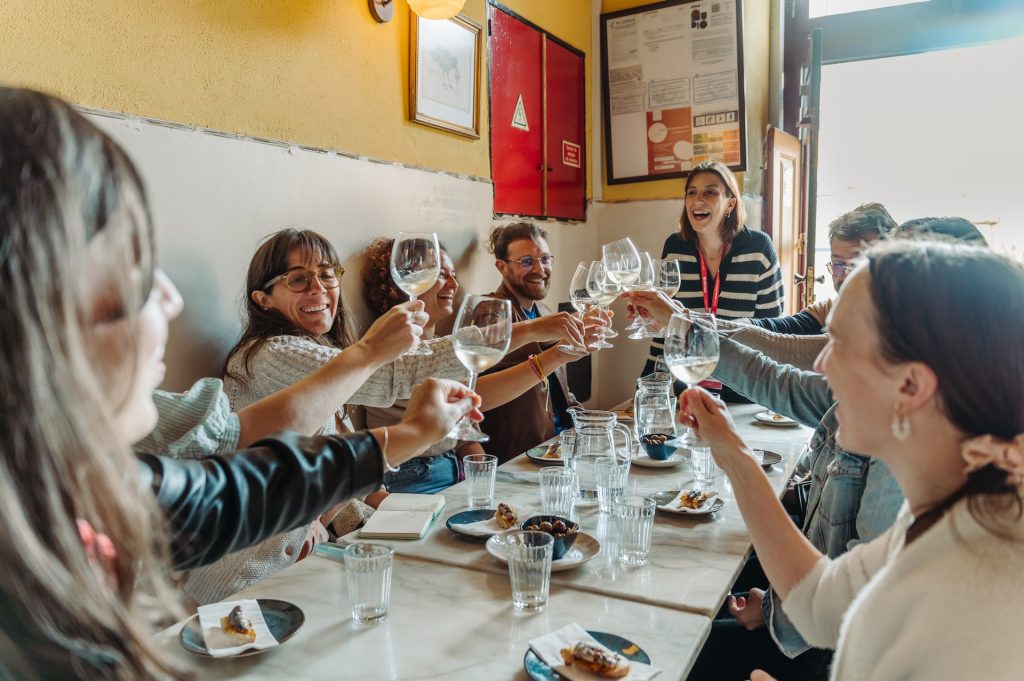
The Best Neighbourhoods to Experience Fado in Lisbon
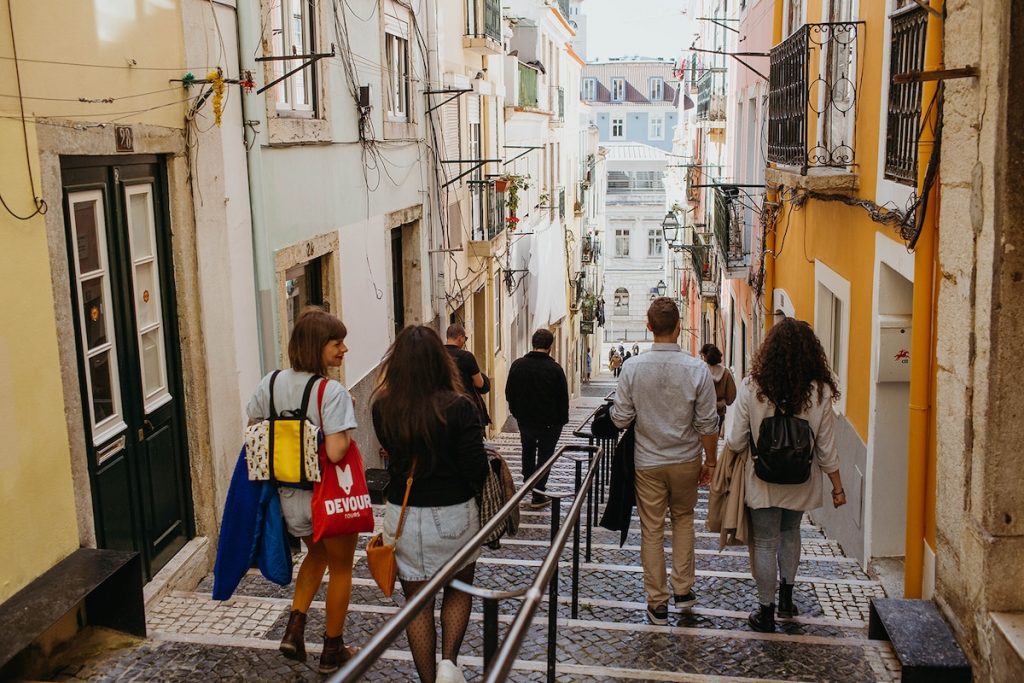
Spend an evening tracing the story of fado in Lisbon by walking through Mouraria and Alfama. These neighborhoods were where the music first took root and flourished. Along the way, you can stop to enjoy bites, local drinks, and home-style specialties.
Tracing Fado’s Origins in Mouraria
Mouraria is widely considered the birthplace of fado, where the music first emerged in the early 19th century. Its narrow streets were home to the city’s earliest fadistas, who sang of longing, love, and the struggles of everyday life often infused with saudade –a deep, wistful sense of yearning unique to Portuguese culture.
It is a good idea to start at the centrally-located Praça da Figueira, located just a couple minutes away from Mouraria, to then continue wandering into the neighborhood. You can trace the roots of fado and even pass the former home of Maria Severa, often recognized as Lisbon’s first known fadista, whose life and songs helped define the genre.

Local Flavors: Petiscos
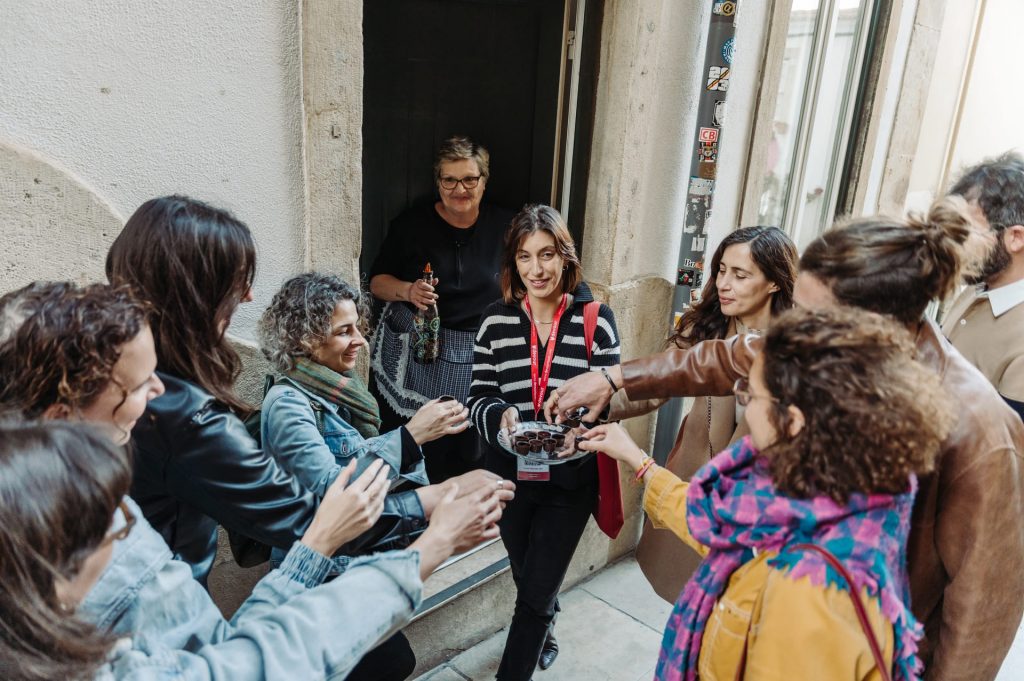
Mouraria is also a great place to explore Lisbon’s vibrant food scene. Dotted with small, family-run tascas (taverns), and traditional eateries, it’s a great place to try petiscos– typical Portuguese snacks usually served alongside drinks, at parties, before meals, or sometimes as a whole meal on their own.
Some of our favorites include:
- Pastéis de Bacalhau – Salted cod croquette
- Amêijoas à Bulhão Pato – Clams with cilantro, garlic, olive oil and lemon juice
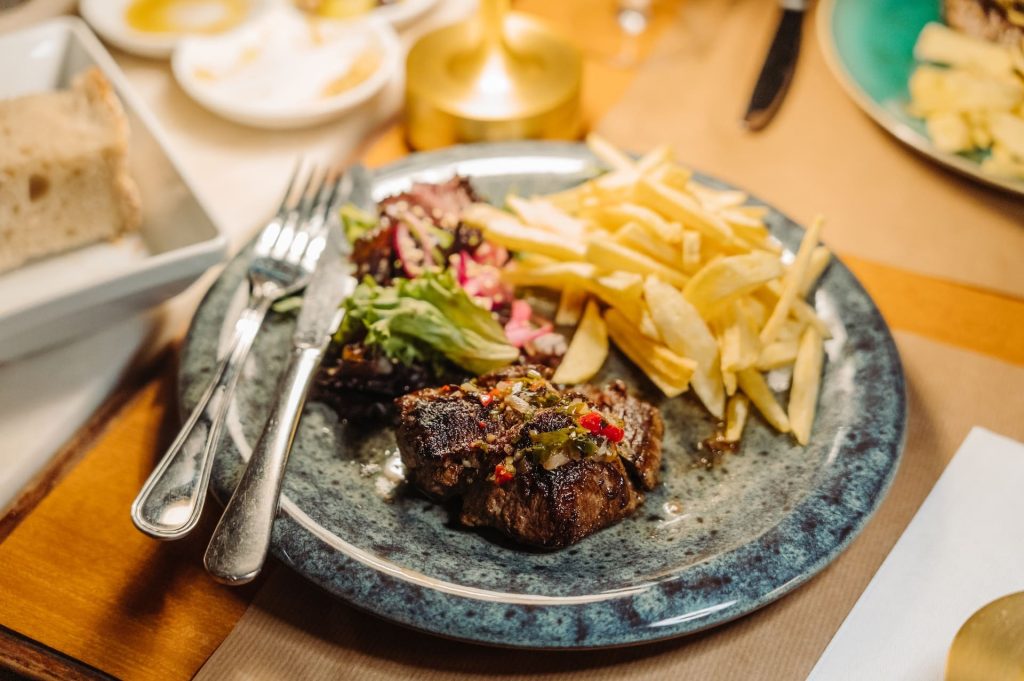
- Pica Pau – Pork or beef chunks sautéed with garlic, bay leaves, and olive oil
Insider Tip: If you’re in Lisbon during the summertime, make sure to try caracóis –small, savory snails simmered in garlicky, herbed broth and eaten as a classic seasonal petisco. We’re particularly fond of the ones at Zé da Mouraria.
Exploring Alfama Through Music, Meals, and Memories
If Mouraria tells the story of fado’s beginnings, Alfama shows how the tradition lives on today.
Scenic Highlights: Miradouros
This hillside district is one of Lisbon’s oldest neighborhoods, and features some of the city’s most picturesque cobblestoned alleys and tiled façades. It’s also where you’ll find some of the city’s most current atmospheric fado venues, from small taverns to renowned fado houses.
Before diving into the flavors and music of the neighborhood, take a moment to pause at two of Lisbon’s most iconic miradouros (viewpoints): Santa Luzia and Portas do Sol. From these terraces, you’ll enjoy sweeping views of the Tagus River, as well as Alfama’s maze of rooftops and landmarks, setting the stage for the experiences to come.
Ginjinha Like a Local
Of course, food and drink are just as central here in Alfama. Another thing you must try is ginjinha, the sour cherry liqueur that’s a point of pride in Lisbon.

A Culinary and Musical Finale
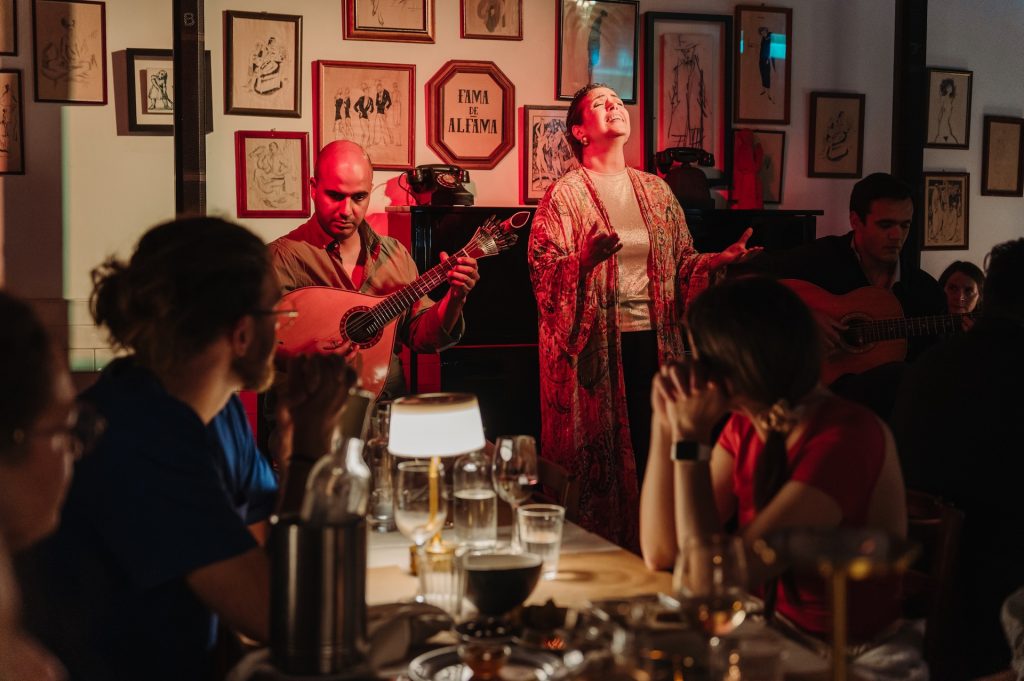
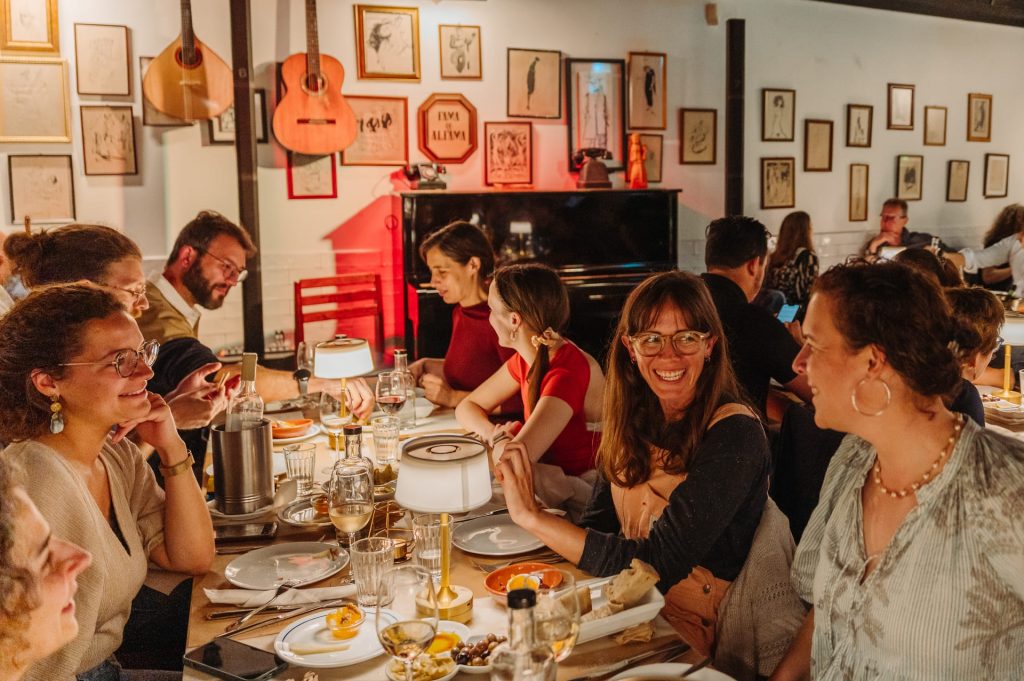
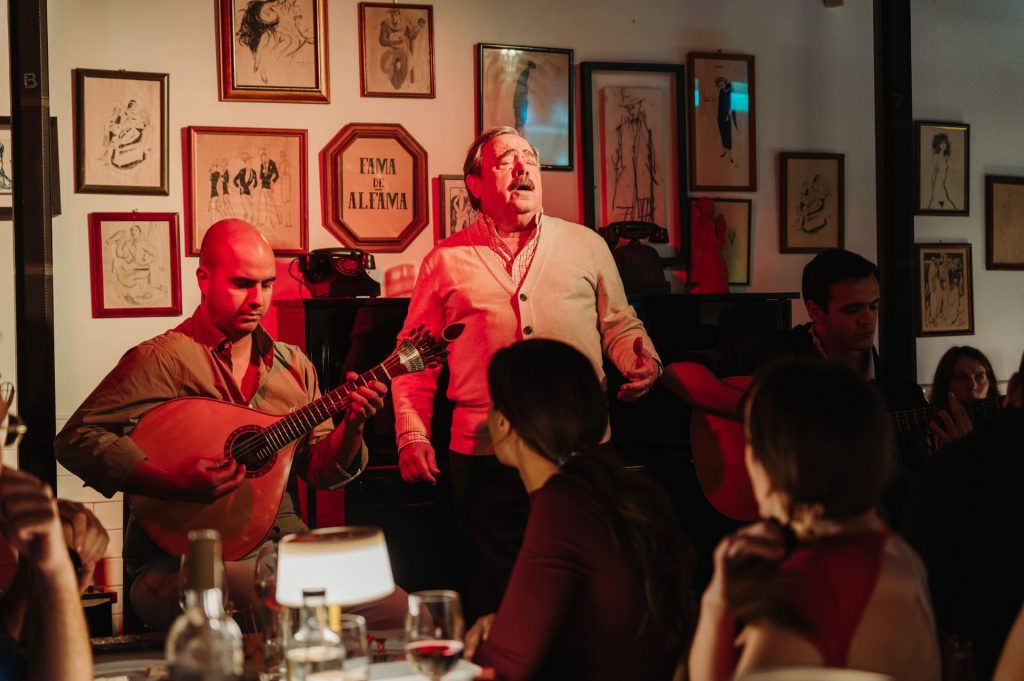
After enjoying the walk and the views and the ginjinha, the best way to end the evening is with Portuguese dinner at one of Alfama’s finest fado houses, to experience the full force of saudade –the deeply felt emotion at the heart of fado.
FAQs – Experience Fado in Lisbon
How do I book an authentic Fado experience in Lisbon?
You can book a Fado performance directly with a traditional “casa de fado” in neighborhoods like Alfama, or reserve a full experience online in advance. Many venues combine dinner and live music, but spaces are often limited, so it’s best to book ahead, especially if you’re visiting on weekends or during peak travel seasons.
What’s the difference between Mouraria and Alfama for visitors?
Mouraria is where Fado was born, offering a more local and historic feel with traditional taverns and fewer crowds. Alfama, on the other hand, is where Fado continues to thrive today, with more established venues, scenic viewpoints, and a slightly more polished atmosphere. Visiting both gives you a fuller picture of Lisbon’s culture.
What should I expect when dining at a Fado house?
Fado performances usually take place during dinner in an intimate, quiet setting. Guests are expected to remain silent during the songs as a sign of respect, allowing everyone to fully experience the emotion of the music. Meals typically feature traditional Portuguese dishes, and the evening unfolds slowly, making it as much about atmosphere and storytelling as it is about food.
Ready to experience the true soul of Lisbon for yourself?
There’s no better way to dive deeper into the city’s food, culture, and music than with a guided tour led by passionate local experts. Join the Lisbon Food Tour to taste your way through traditional dishes, hidden eateries, and local favorites, or opt for the Petiscos & Bairro Alto Food Tour for a more intimate evening of small bites, drinks, and vibrant nightlife in one of Lisbon’s most atmospheric neighborhoods.
Whichever you choose, you’ll not only discover incredible flavors, but also the stories, traditions, and local spots that make Lisbon so unforgettable.