

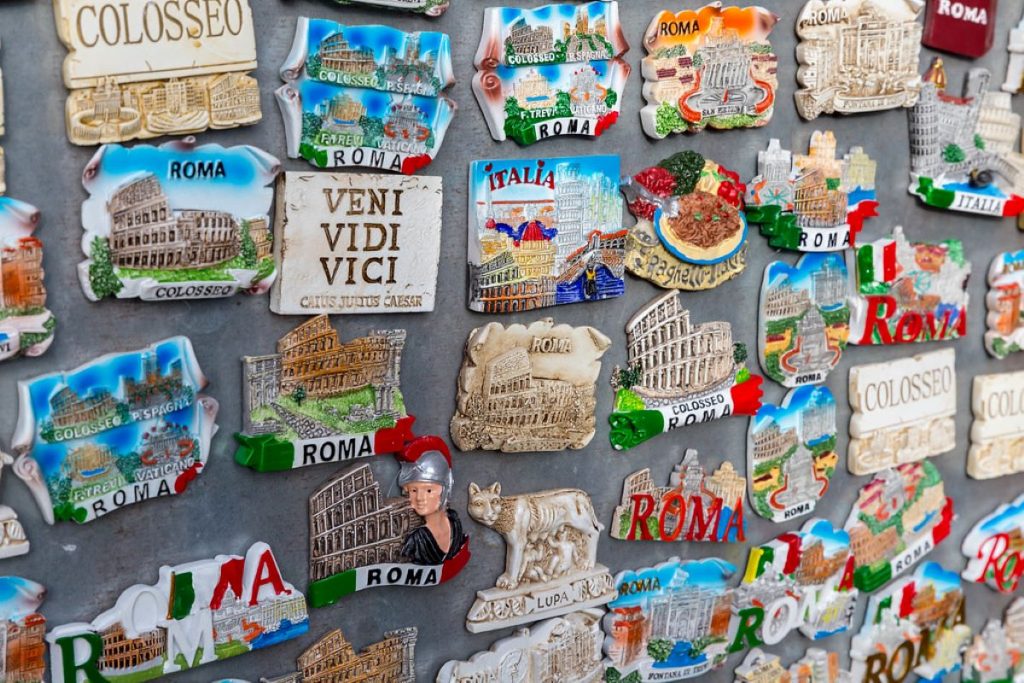
When visiting Rome, it’s tempting to bring back typical souvenirs* like wine, pasta, coffee, and trinkets of famous landmarks. Instead, seek out unique Rome souvenirs that capture the essence of the city, things that you can’t easily find online or outside of Rome.
(When we say typical souviners, we happen to mean things like: wine from Lazio, dried pasta from Gragnano, a snowglobe of the Colosseum, a refrigerator magnet of St. Peter’s Basilica, a package of biscotti, some vacuum-packaged prosciutto, 30-month aged Parmigiano, and/or a bottle of limoncello…)
Read along for our guide of the most unique Rome souvenirs to save space in your suitcase for.
Insider’s tip: While you’re shopping around for some great souvenirs to take home, why not mix up your shopping with a delicious culinary adventure? Our Rome Food Tours include everything from a sunset Trastevere Rooftop Tour to a a Pizza Making Class.
10 Suggestions for Rome Souvenirs
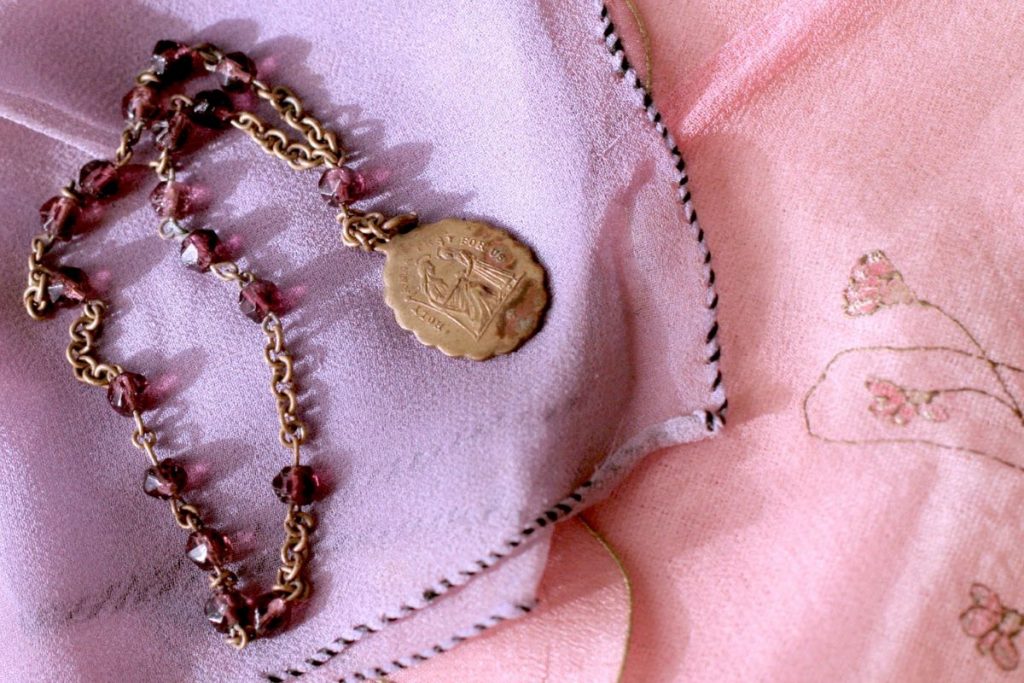
Religious goods
If youre looking for something that marks the religious heritage of Italy then point yourself to Comandini, located in Vatican City. Since 1962, this shop has been selling various Catholic paraphernalia.
The shop doesn’t just sell religious vestments, but also chalices, rosaries, and reliquaries. If you’re on a tour of the Vatican, make sure to ask the guide to point you in the right direction.
Italian wine
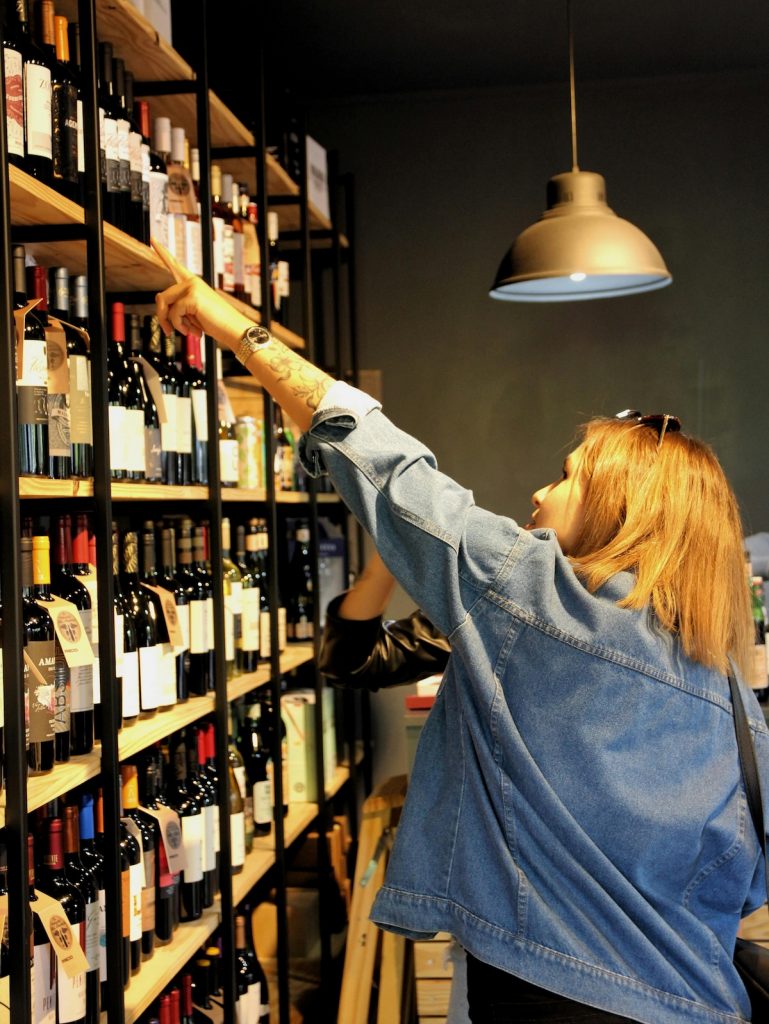
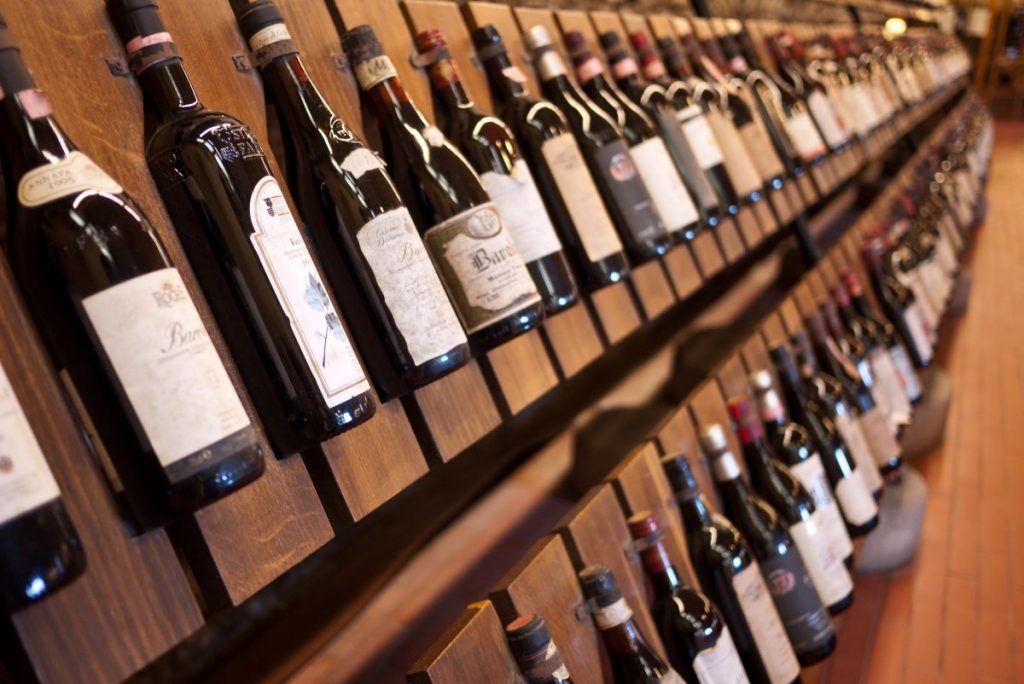
When in Rome…you’ll be surrounded by great wine, and likely discover varieties that you’ll want to bring back for yourself and your loved ones. Here’s a little refresher on the different types:
- Bianco: White wine
- Rosato: Rosé wine
- Rosso: Red wine
- Frizzante: Sparkling wine, typically less bubbly than fully sparkling wines like Champagne or Prosecco.
- Aromatico: Aromatic wines with intense aromas and flavors, often derived from aromatic grape varieties such as Muscat, Gewürztraminer, or Riesling.
Roman coins
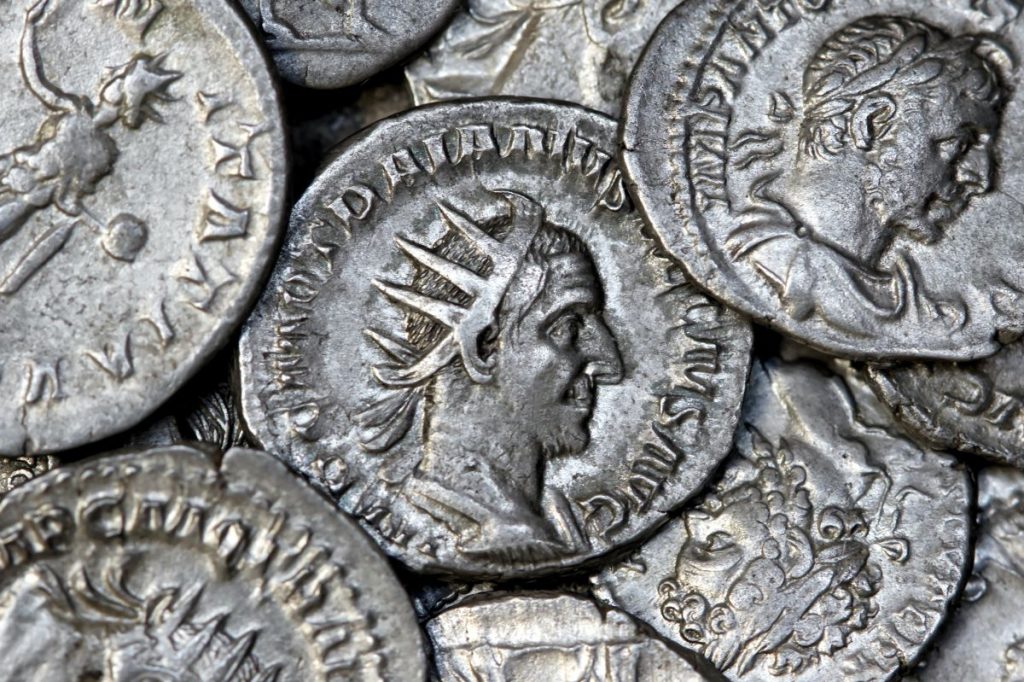
You sometimes read stories in the news about someone hiking in Europe and they see a glint of something in the dirt. After scraping away some earth, they realize what they’ve found: an ancient Roman coin.
You don’t have to try your luck by hiking in around Italy until you eventually find a coin of your own. It is much easier to buy one at Diana Numismatica, a shop located in Museo dei Cappuccini, just a two-minute walk from the Piazza Barberini metro stop. And you can buy a single coin or an entire collection, depending on whether it is a souvenir for yourself or you want multiple gifts for family and friends.
Foodie treats
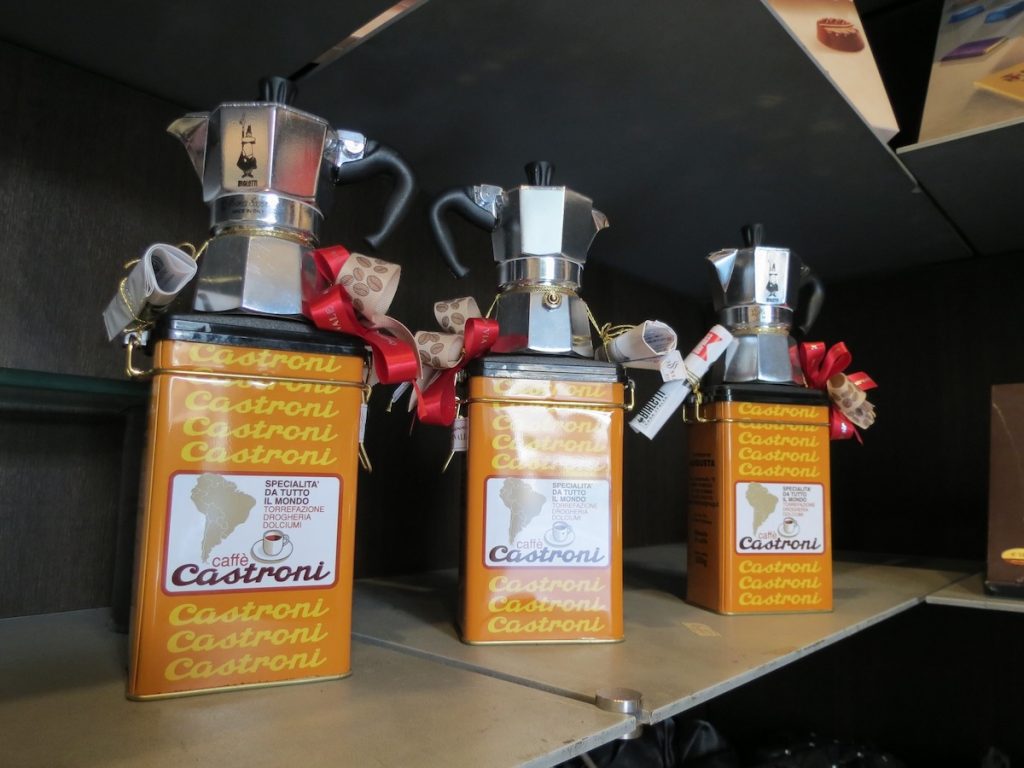
Looking to bring back some gifts for the foodies in your life? Look no further than Drogheria Innocenzi (Via Natale del Grande, 31).
Here lies a treasure trove of nostalgia: quaint, old-school boxes brimming with chocolates and candies, alongside Castroni coffee. This beloved shop is the go-to for discerning Roman nonne seeking that extra special something.
Gladiator gear
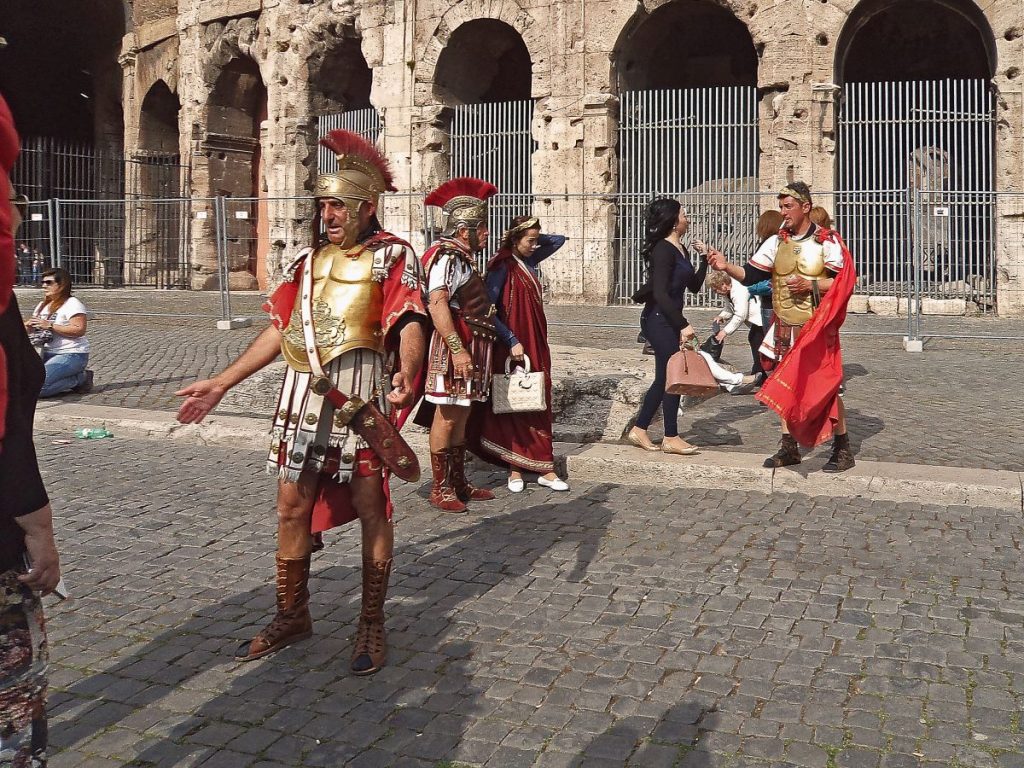
If you’ve watched the film Gladiator even just once, and wanted to know what it feels like to strap on all that gladiator gear and hold a sword, there are several gift shops and souvenir stands sprinkled around the Colosseum where you can pick up some plastic armor and wooden swords and become a 21st-century gladiator. They also have child sizes too, making an ideal gift for your little gladiator in training.
Roman art
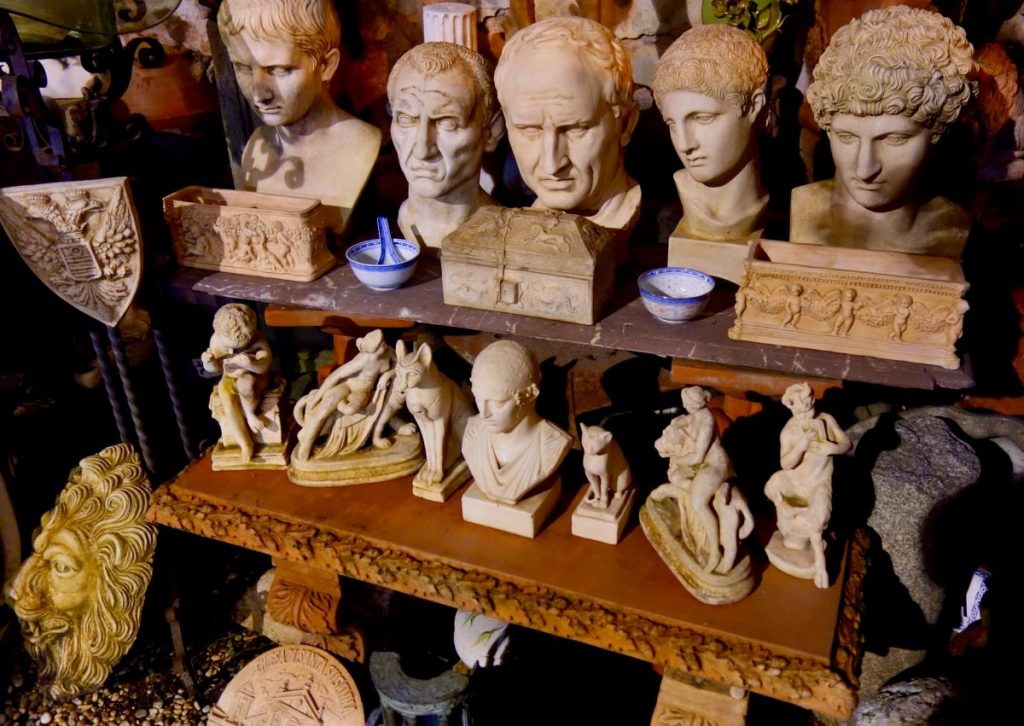
At the clunklely named Creart Roma, located in the Centro Storico across the river from Castel Sant’ Angelo, you can walk in and then walk out with some incredible Roman-themed art.
Do you want a replica of a Roman Empire-era relief sculpture? A stone eagle, reminiscent of Musollini’s Fascist Italy? A ceramic rendition of Rapaele’s angels, like the murals at the Vatican Museums? A mosaic “Beware of Dog” sign in Latin? Or a ceramic bust of a cat as a Roman emperor? You can take home these and much, much more home with you.
Italian scarves
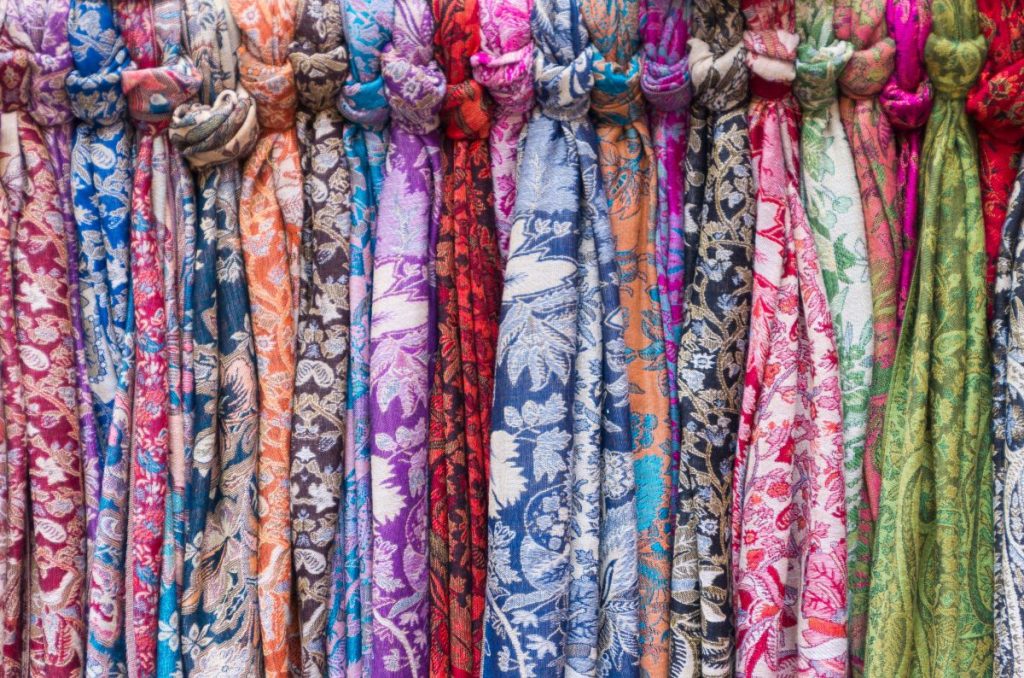
Romans parade around the streets looking oh-so suave with scarves intricately grasping their necks that probably took them three seconds to assemble. Now you can have that cool Italian look by nabbing a smooth silk scarf.
There are numerous shops in the center of Rome that sell scarves but for the best Roman experience, go to the enormous market Porta Portese on Sunday for a vast selection.
Roman jewelry
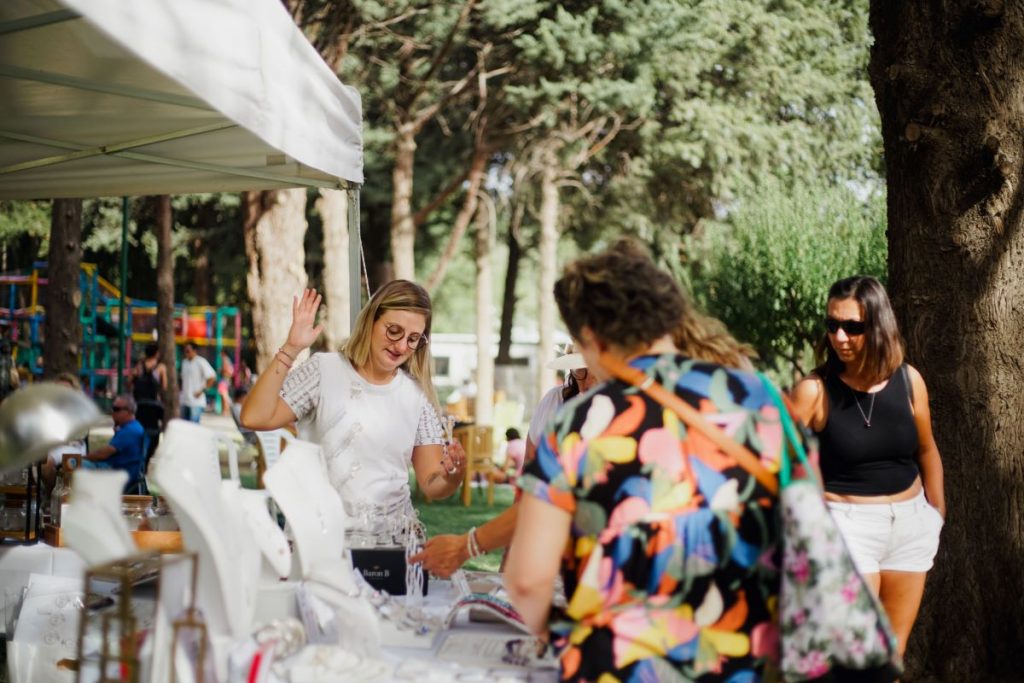
Two architects from Rome started Co.Ro. a few years back when they began designing unique jewelry that captures the essence of the architecture of the Eternal City. They sell necklaces, rings, bracelets, earrings, etc. all inspired by the design of Rome, some of which evoke certain historical eras of the city’s history, such as the Roman Empire and the Renaissance.
Italian perfume
Monks on the island of Capri have been making irresistible fragrances from local flowers since the 14th century. And fortunately for you, they have a shop in Rome’s historical center. Carthusia, located in the Centro Storico, has perfumes for both men and women and there are about 20 different fragrances to choose from.

Football merchandise (a.k.a. “soccer merch”)
A.S. Roma is the most popular of the two first-division teams in the Italian capital. And the team has a few shops sprinkled around the city, particularly in the center of town. So you can stop in to pick up an official A.S. Roma jersey, a scarf, track suits, shoes, flip flops, even bathrobes emblazoned with the A.S. Roma logo. You can even get some cool retro jerseys from decades past.

FAQs – Shopping for Unique Souvenirs in Rome
How much should I expect to spend on unique Rome souvenirs?
Rome offers something for every budget, especially if you stick to authentic, locally made goods. Prices vary widely depending on what you’re shopping for. Religious goods such as rosaries can range from €5 for simple versions to €50+ for handcrafted items. Wine generally runs between €8–€25 per bottle, with premium selections costing more. Ancient coins at numismatic shops like Diana Numismatica can range from €20 for common coins to €200+ for rarer pieces. Artisanal items like jewelry, scarves, or replicas typically fall between €30–€100, depending on craftsmanship.
Where are the best areas to shop for authentic, locally made souvenirs?
Some neighborhoods are especially rich in genuine Roman craftsmanship:
- Centro Storico (Historic Center): Great for art, perfume, jewelry, and boutique shops like Carthusia or Creart Roma.
- Trastevere: Known for wine shops, artisan goods, and small family-run boutiques.
- Monti: Trendy boutiques selling handmade jewelry and contemporary crafts.
- Porta Portese Market (Sundays): Ideal for scarves, antiques, vintage finds, and handmade pieces, just be ready to bargain.
Avoid shops directly around major tourist sites (like the Colosseum) if you’re looking for something more unique than mass-produced trinkets.
Are there any cultural etiquette tips when shopping for Rome souvenirs?
Yes, shopping in Italy often has its own rhythm. Greetings matter! Always say “Buongiorno” or “Buonasera” when entering a shop; it’s considered polite and appreciated. Also, when handling merchandise in small boutiques or artisan shops, wait for the shopkeeper to hand you items rather than picking things up unprompted. And as for haggling, this is seen as acceptable at open-air markets (like Porta Portese), but not in established shops where prices are fixed.
Can I bring food and wine souvenirs back home without issues?
Generally, yes, but it depends on your country’s customs rules. EU travelers can bring back wine, cheese, and packaged foods without restriction. However, travelers to the U.S., U.K., or Australia have more restrictions.
For transatlantic travel, wine and spirits are usually allowed (within personal limits) and dry goods (coffee, chocolates, pasta) are always allowed. But, if you plan to take pack meat or dairy products (e.g., prosciutto, salami) these are often not allowed unless vacuum-sealed and approved. It is best to check your country’s guidelines in advance.
If you’re not sure, ask the shop, they’re used to helping travelers choose items that pass through customs without a hitch.
While shopping around Rome, you’ll certainly work up an appetite so why not add in a few delicious food stops? From a Testaccio food and market tour to learning about the aperitivo scene in Trastevere, our Rome Food Tours will give you special insight into what makes Rome’s culinary scene so amazing.