

Ready to immerse yourself for a weekend in stunning Sorrento? Sorrento’s charming streets and amazing eats has made it an internationally acclaimed destination. We want to give you a glimpse of the most famous spots but also take you a little off the beaten path for some more authentic experiences. So, we’ve outlined two day Sorrento itinerary of sightseeing and beach-going to help you make the most of the coast. Andiamo!
Getting to Sorrento
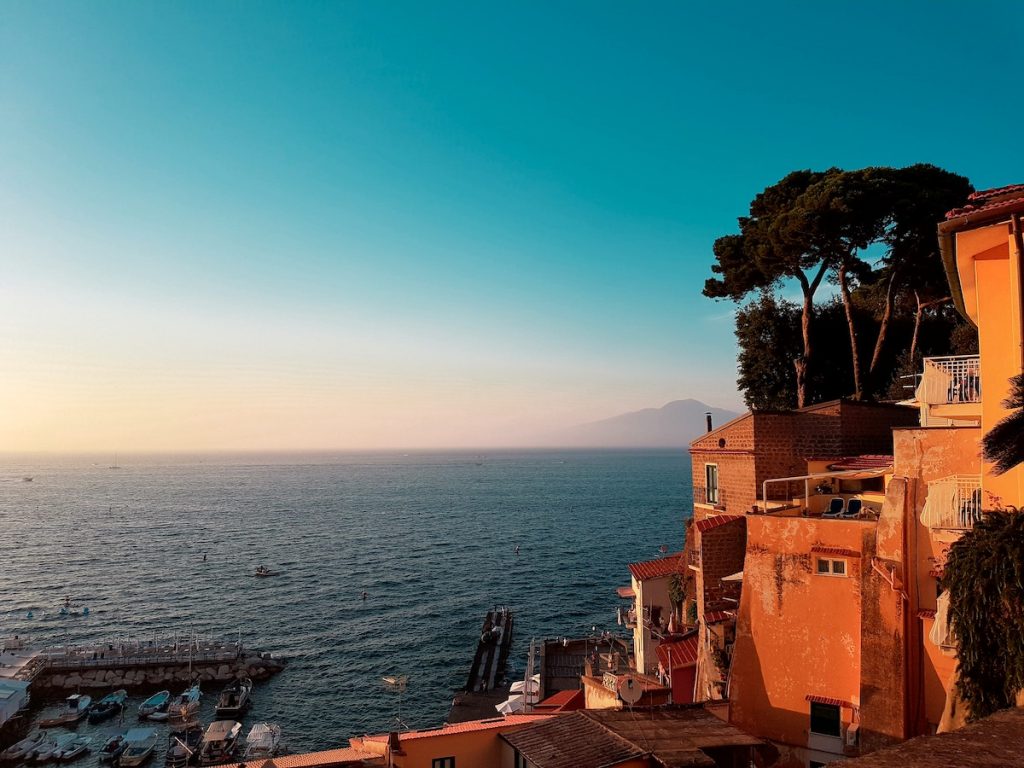
The most common route is via Naples. From Naples Airport or the central train station, you can take the bus, train, or a private transfer to Sorrento. If you’re coming from Rome, the fastest option is a high-speed train to Naples (about 1 hour), then a transfer to Sorrento. In summer, ferries from Naples to Sorrento are also available and very scenic.
By air : Fly into Naples airport, take the direct shuttle bus or the Alibus to central station where you’ll catch the train.
By train : From Naples, there are two train options: the Circumvesuviana and the Campania Express. They both leave from the lower floor of the central station and have no differences between them, besides the fact that Campania Express is more expensive and has air conditioning. If you’re a budget traveler, go for the Circumvesuviana.
By sea : To arrive by sea you can take the ferries from the Naples port, from Capri, or from other towns along the Amalfi Coast (look up the ferry companies NLG and Alilauro for timetables).

Getting around Sorrento
Sorrento is a very walkable town, so you can easily explore on foot. The local bus system is affordable and generally reliable if you want to travel inland. You can buy tickets at any newsstand or tobacco shop in town. If you’re planning on visiting other towns along the Amalfi Coast, ferries are the best option to avoid traffic, but take note, the boats leave from Marina Piccola, not Marina Grande.

Sorrento Itinerary Day 1: Sightseeing in Sorrento
Exploring Vallone dei Mulini
When you get to the city, kickstart your Sorrento itinerary and head from the main square, Piazza Tasso, to the nearby overlook of Vallone dei Mulini. The lush green valley is dotted with the ruins of old flour mills that were once powered by the nearby river. The mills were active from the 10th to the 19th century and played a vital role in Sorrento’s economy.

Visiting Villa Comunale and Marina Piccola
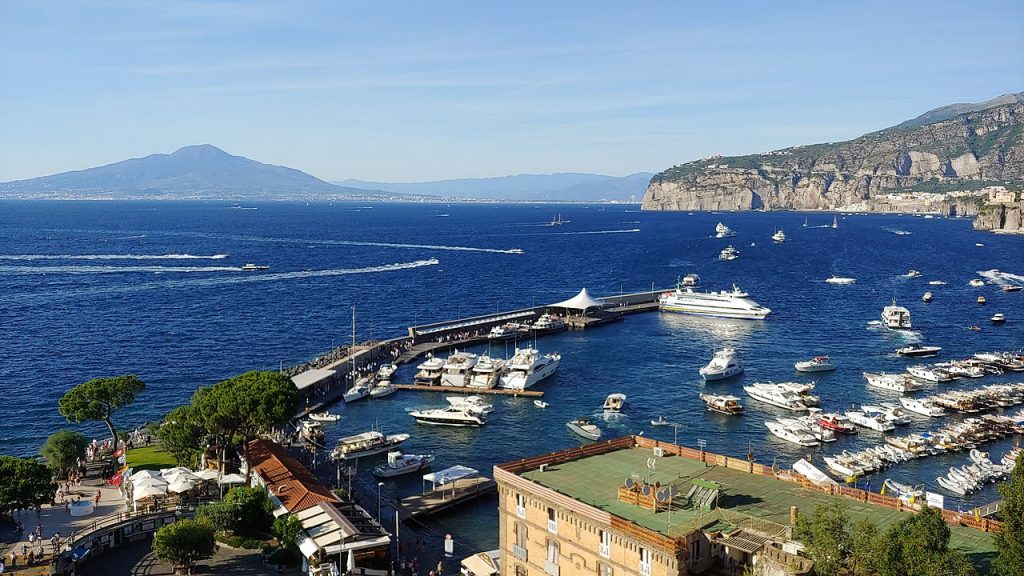
Next, make your way to Villa Comunale, a park that offers breathtaking panoramic views over the sea. Spot Vesuvius in the distance. This well-maintained oasis was originally a private garden belonging to an English noblewoman. She transformed the garden into a public space in the early 20th century, ensuring that everyone could enjoy its beauty.
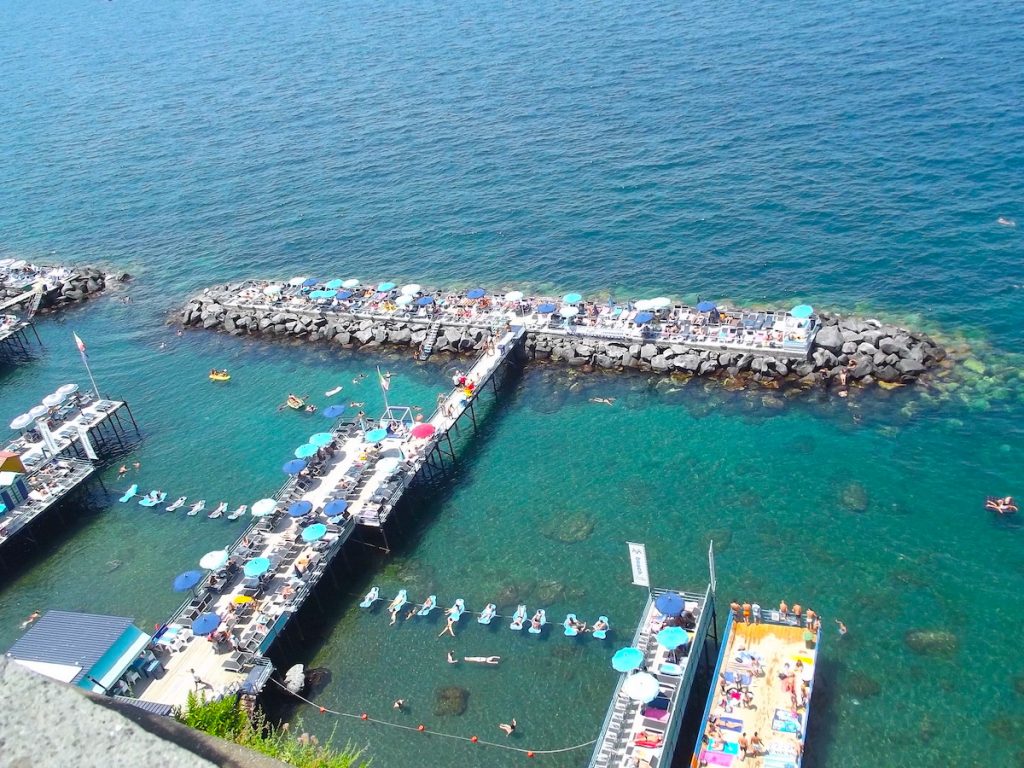
After the Villa, find the cliffside elevator (Via S. Francesco, 1) down to Marina Piccola to see those blue waters up close. The elevator, built in the 19th century, provides convenient access to the marina, making it easier for locals and tourists to reach the waterfront. It costs one euro to use, so make sure you’re carrying coins on hand.
Strolling I Giardini di Cataldo Sorrento
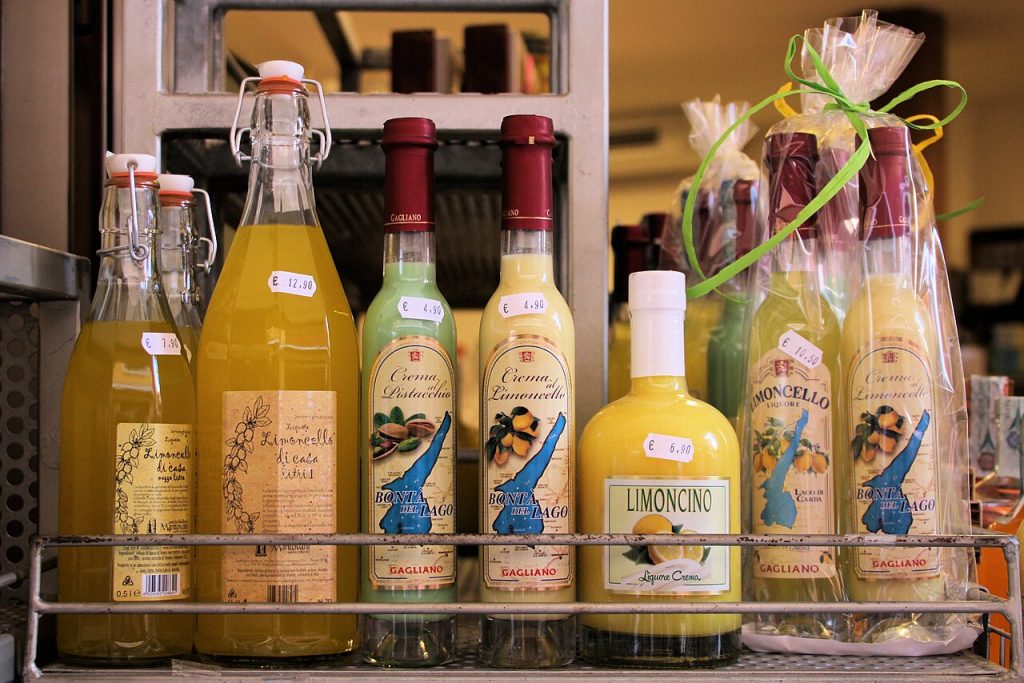
The gardens of Cataldo (I Giardini di Cataldo) are a tiny working farm that produce succulent lemons. Sorrento is renowned for its lemons, and the garden provides a glimpse into the region’s agricultural heritage. They have an adorable little shop and bar where you can get fresh lemon sorbet, limoncello, lemon biscotti, candies…you name it.
When hunger strikes, head to La Cantinaccia del Popolo (Vico Terzo Rota, 6/8), a cozy trattoria slightly outside of the high-priced center of town. Choose from a variety of traditional dishes from homemade ravioli to gnocchi alla sorrentina, a local specialty of pillowy gnocchi baked with tomato and mozzarella.
Continue away from the main center of Sorrento after lunch to find a hidden gem in the town of Sant’Agnello (~15 minutes away). Oasi in Città (Via Corso Italia) is a lush garden created on the grounds of a former hotel that was demolished after World War II. It’s now a small WWF site, showcasing the region’s biodiversity with beautiful plants and flowers. It’s a tranquil escape from the bustling streets of central Sorrento.

Visiting the oldest church in Sorrento
Make a stop at the Basilica di Sant’Antonino, the oldest church in Sorrento. It’s dedicated to Saint Antoninus, the patron saint of Sorrento. It is believed that the relics of the saint are kept within the basilica, making it an important religious site for locals.
We know all of this exploring has gotten you thirsty. La Bottega della Birra (Via S. Nicola, 13) is a beer lover’s paradise, offering a large selection of beers from Italy’s burgeoning craft beer scene and beyond. Their taglieri (meat and cheese plates) are exquisite, and vegetarian travelers can join in the fun opting for a selection of local cheeses.
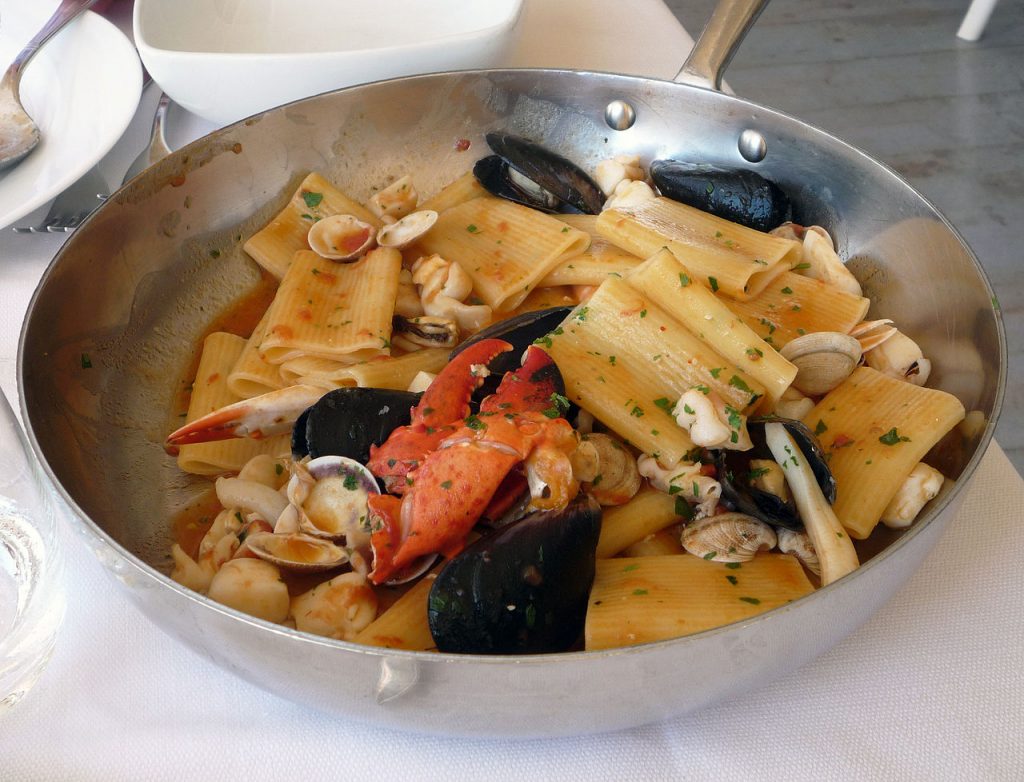
To end day 1 of your Sorrento itinerary on a delicious note, head to Trattoria dei Mori right across the street. The trattoria’s name, dei Mori, refers to the neighborhood’s historic association with the Moorish population that once resided in Sorrento. Sorrento’s proximity to both the sea and mountains is reflected in the restaurant’s offering of meat and fish options. Go for pasta allo scoglio (juicy mixed shellfish) if that’s on the menu of the day.
Sorrento Itinerary Day 2: Exploring the Sorrento seaside
On the second day of your Sorrento itinerary, grab your swimsuit and beach bag for an entire morning at one of the most iconic beaches nearby.
Swimming at Bagni Regina Giovanna
Our advice for a successful beach day in Sorrento?
- Get there early
- Wear comfortable shoes (the walk to Bagni Regina Giovanna from the center of Sorrento is 45 minutes, but well worth it!)
- Bring a towel and lots of sun protection because the beach doesn’t have much cover or umbrellas available.
- Before you depart, honor the Italian tradition of picking up a sandwich to eat at the beach at a local salumeria. Two good options we recommend: Caseificio Apreda Francesco (Via del Mare, 20), a charming cheese shop, and Sisina (Corso Italia, 8A), a minimarket.

Bagni Regina Giovanna is a natural swimming area nestled in a breathtaking cove. It’s named after Queen Joanna II of Naples, who was known to frequent the area during the 14th century. Enjoy the crystal-clear waters and explore the ruins for the morning. Then dig into your panino Italian style on the beach.
Unable to do the walk (or just not feeling it)? Opt for the bus to Massa Lubrense instead. It’s a small, non-touristy town nearby with a beautiful and accessible beach that has umbrellas available. Or expand your Sorrento itinerary with a visit to the local beach of Marina Grande.
Visiting Marina Grande
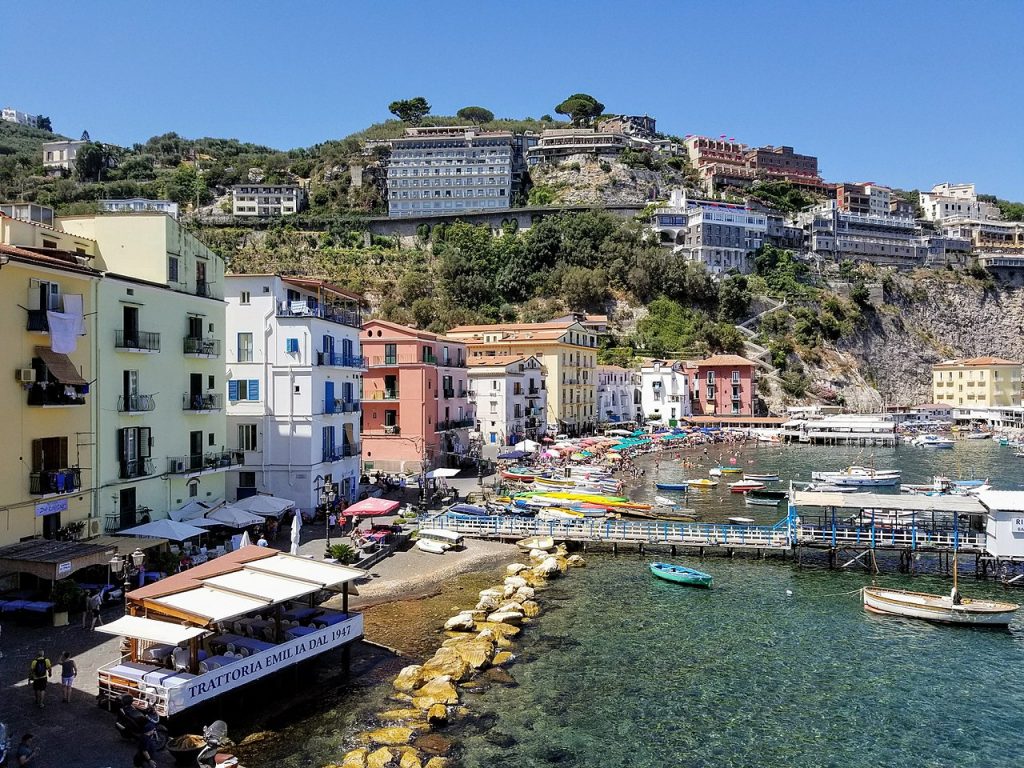
Marina Grande is worth visiting either way. After the Bagni, walk to this historic area of the Sorrento. It has retained its traditional character over the years with its colorful houses and fishing boats in the port. Unwind and soak up the atmosphere for a while at the bar Da Giniello (Via Marina Grande, 9). This small bar offers seaside views and is the perfect place for a coffee or an Aperol or Limoncello spritz.
Dining in Sorrento
A day at the beach tends to work up an appetite. Avoid overpriced tourist traps and head to Turna a Surriento Trattoria (Via Santa Lucia, 1-3), a mainstay for Sorrentines. They have generous and reasonably priced portions of all the classics: pasta with clams, selections of cured meats and cheeses, homemade meatballs, and a delicious rendition of seafood gnocchi. It’s a no-frills, family-run spot.
And of course, no Sorrento itinerary is complete without gelato. After dinner, wander around the center of Sorrento and stop at Raki artisanal gelateria (Via S. Cesareo, 48) to satisfy your ice cream craving. They have a wide array of flavors, from classic stracciatella (sweet cream gelato laced with dark chocolate flakes) to creative flavors like pineapple and basil.
Sorrento is a destination that leaves a lasting impression. It’s a blend of coastal beauty, rich history, and mouthwatering cuisine—some of the best that Italy has to offer. Although it’s an international tourist destination, this balanced itinerary will help you discover some of the lesser known spots. Buon viaggio!

FAQ´s – The Perfect Sorrento Itinerary
When is the best time of year to visit Sorrento?
Sorrento is beautiful year-round, but the ideal time to visit is April–June and September–October, when the weather is warm, the sea is inviting, and crowds are more manageable. July and August offer peak sunshine but also peak prices and tourist numbers.
What should I know about booking hotels in Sorrento?
Hotels in Sorrento fill up quickly, especially from May to September, so booking in advance is recommended. Prices vary widely, with clifftop hotels costing the most. Many properties include breakfast, and it’s worth checking whether your hotel is in the historic center, along the cliffside, or in Sant’Agnello, which can offer better value just a short walk away.
Is Sorrento easy to navigate for first-time visitors?
Yes, Sorrento is considered very tourist-friendly. The historic center is compact and walkable, public transportation is straightforward, and locals are accustomed to helping visitors. It’s an ideal spot for solo travelers, families, and couples alike.
Is Sorrento a good base for exploring the Amalfi Coast?
Absolutely. Sorrento is one of the most convenient bases for exploring the region. With frequent ferries, buses, and trains to places like Positano, Capri, Amalfi, Pompeii, and Naples, you can enjoy the entire region without constantly changing hotels.
What should I budget for meals and activities in Sorrento?
Sorrento offers a wide range of prices. Expect to spend around €15–€20 per person for casual meals, and €30–€50+ for a sit-down dinner. Beaches, ferries, limoncello tastings, and day trips add up, so a comfortable daily budget for most travelers is €70–€120, depending on activities.
Ready to turn your trip into an unforgettable experience?
Discover the full range of expertly led experiences at Take Walks Tours where passionate local guides bring history, stories, and iconic sights to life. From world-famous landmarks and museums to immersive food and cultural experiences, these small-group guided tours offer deeper insight, seamless access, and unforgettable moments you’d miss on your own.
If you’re starting in Rome, you can choose one of our Rome tours, like a guided highlights tour lets you experience the Colosseum, the Roman Forum, or Vatican treasures without the queues or confusion.
Explore with experts who know it best, and see the country through local eyes.