
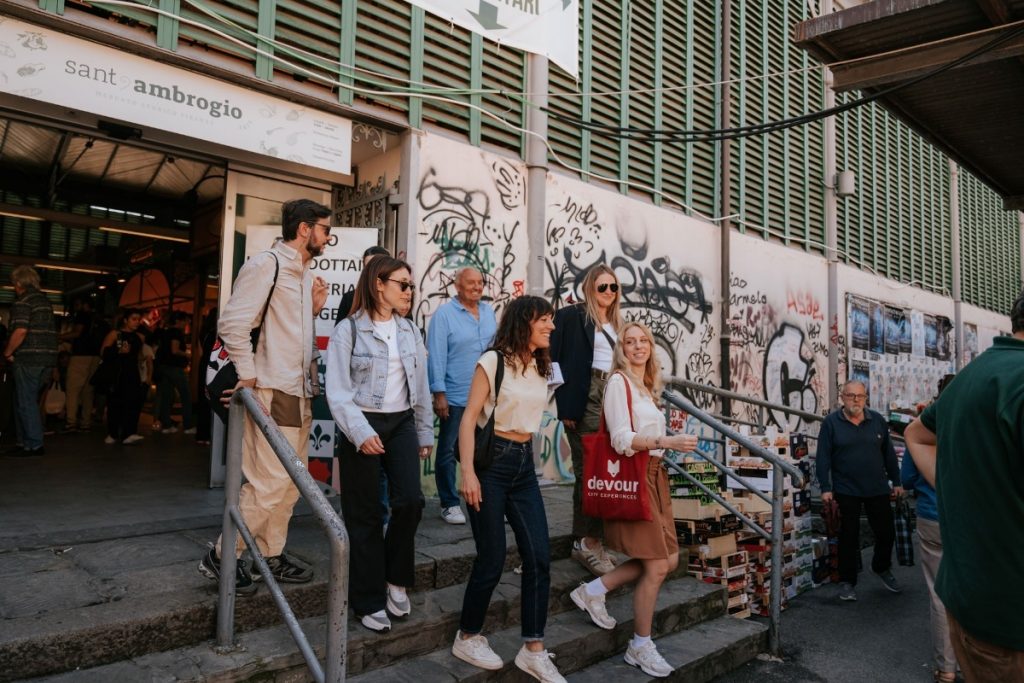
If you are looking for a truly local market in Florence, Italy, you came to the right place. Mercato Sant’Ambrogio (Sant’Ambrogio market) is where Florentines actually shop and eat.
Smaller than its Florentine brethren, Sant’Ambrogio market is beloved by locals (and less populated by tourists). It’s a great place to wander (particularly in the late mornings) to get a deeper sense of local life here where Florentines shop in the same place where their parents, grandparents, and, in some cases, great-grandparents also purchased pasta, fruit, vegetables, and meat to feed their families.
Follow this guide to time your visit, taste the best dishes, and browse stalls like a local, no tourist traps, just authentic flavor.
Welcome to Sant’Ambrogio Market
The History of Sant’Ambrogio market
In 1865, the capital of the newly unified Italy shifted from Turin to Florence. This Tuscan city on the Arno River would only be the capital for six years before it shifted further south to Rome. Yet, during that time, city authorities initiated a building boom.
They razed parts of the city, including the old market, and built new structures. One of those buildings was the Mercato di Sant’Ambrogio, which was finally finished in 1873, a year before the Mercato Centrale (also known as Mercato di San Lorenzo) was built, making it the oldest still-existing market in Florence.
Architect Guiseppe Poggi, who was the lead designer of the city during its brief stint as the capital, was instrumental in shaping the look of both Sant’Ambrogio and San Lorenzo, using Paris’s Les Halles market as a model. He wanted to make it more modern than medieval, using cast-iron and glass for its structure and facade.
What Is Inside the Sant’Ambrogio Market?
The Mercato di Sant’Ambrogio is smaller than San Lorenzo, and that is by design. Giuseppe Poggi intentionally wanted San Lorenzo, the more centrally located market, to be bigger to serve locals and visitors, and Sant’Ambrogio smaller to serve the denizens of Florence’s eastern neighborhoods.
The market is packed with more than just food. At Sant’Ambrogio market you can walk away with a full new outfit of clothes, from shoes and socks to a leather belt, to a hat for your head, plus tonight’s dinner. You can even buy furniture!
In theory, you could go to the Mercato di Sant’Ambrogio and buy an entire basket of food for dinner, plus a table & chairs to feast said dinner on, and new clothes to wear while you’re eating.
Sant’Ambrogio market is more of a locals affair, as neighbors come here to actually shop for food and other things—one of the very few non-supermarket options to buy food.
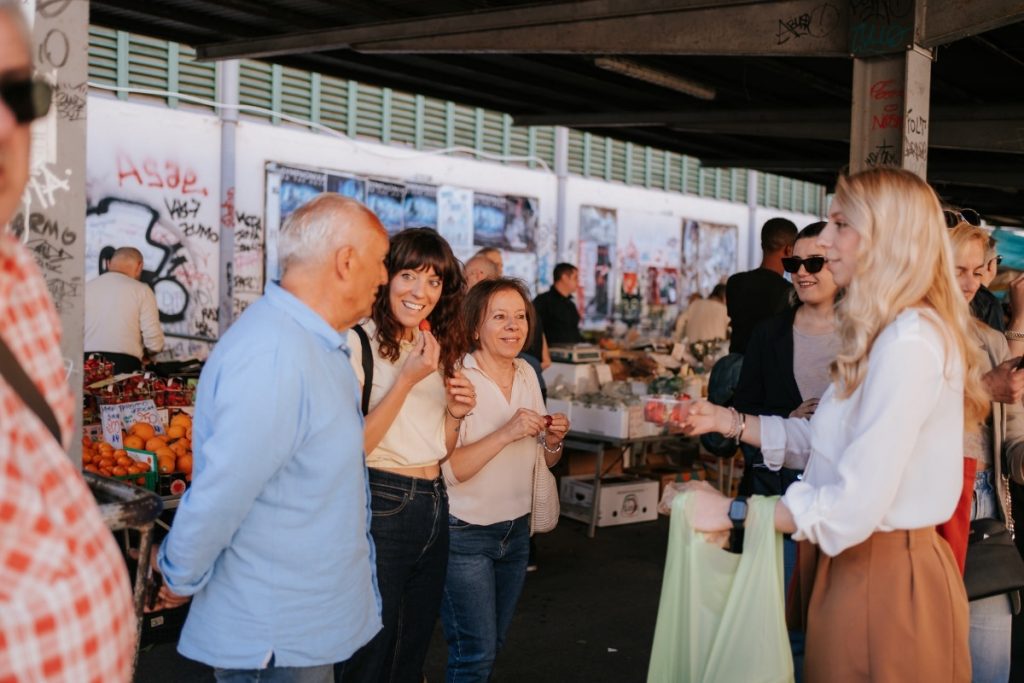
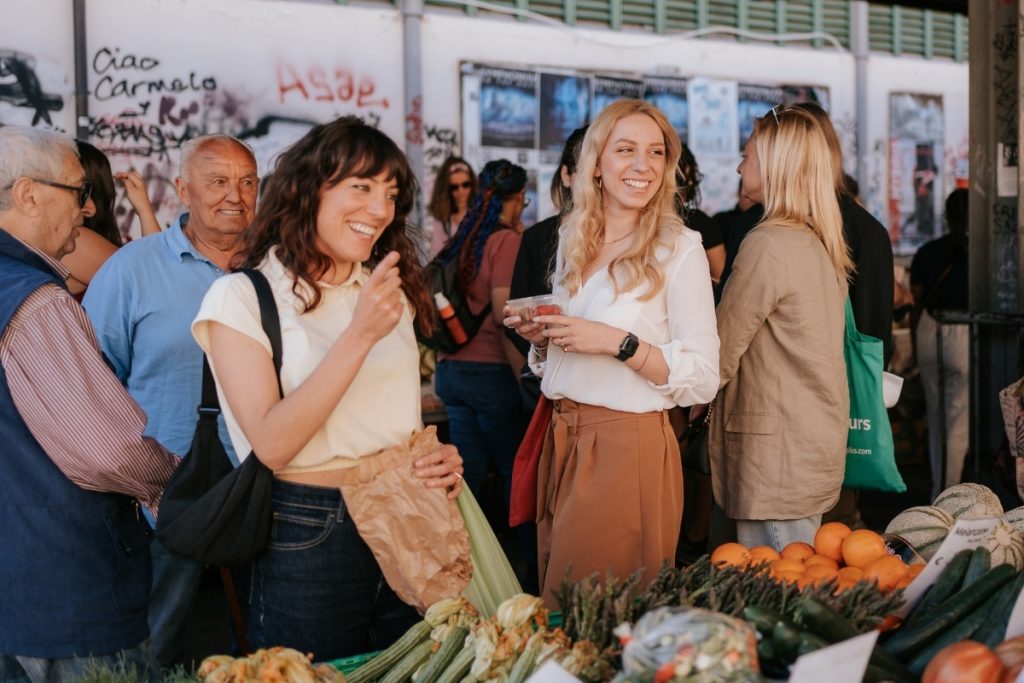
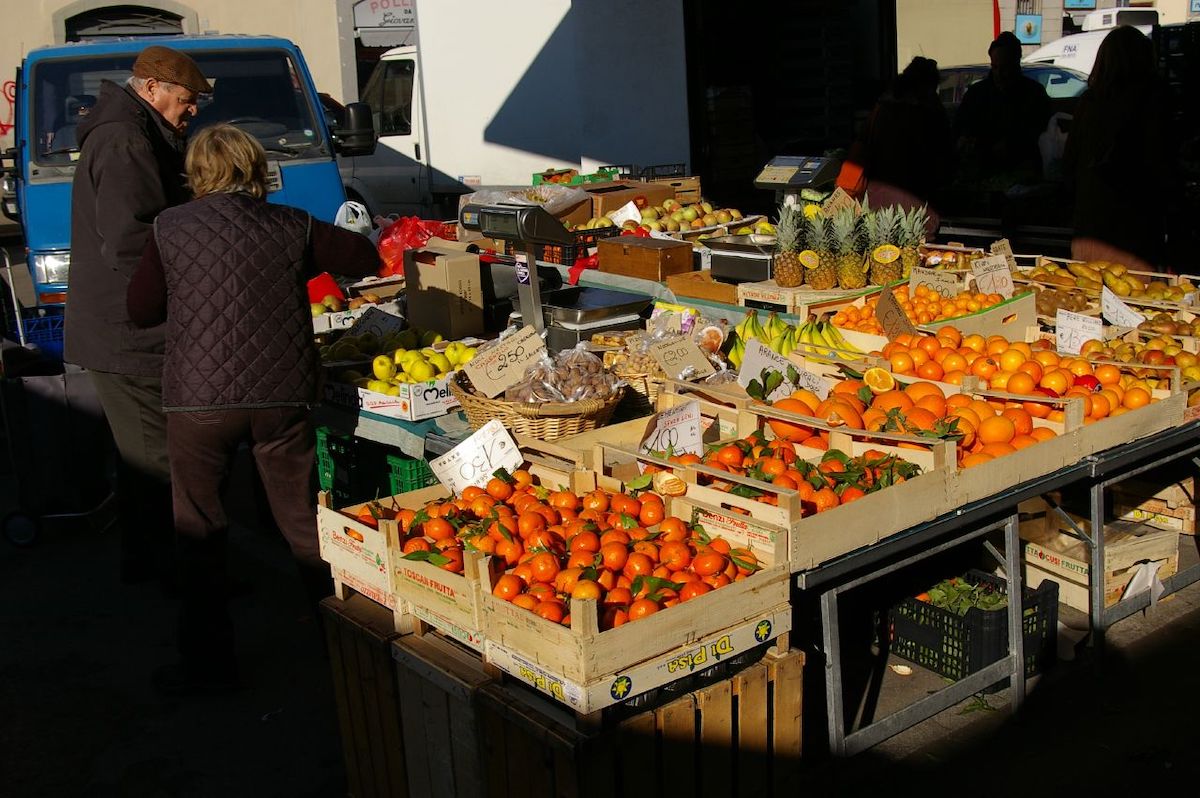
If you’re here to buy fruit and vegetables, Sant’Ambrogio is still filled with actual farmers from the Tuscan countryside selling their wares. They’re easy enough to spot: just find the stalls with the largest number of local people around them, and you’ve found the right spot.
Most of the fruit and vegetable stands are outside of the structure. Head inside to find a legion bancherelle (stalls) of butchers and cheesemongers.
Opening Hours & Best Times to Visit
Wondering how to get to Sant’Ambrogio market? This market is located on Piazza Lorenzo Ghiberti, on the east side of the city, about 15 minutes from the Duomo. It is open Monday to Saturday, from 7 a.m. to 2 p.m
If you want to see the market in all its glory and action, get up early and point yourself to the Sant’Ambrogio neighborhood. As the day goes on, the market is less clamorous and cacophonous. So, if you want a more tranquil experience, aim for noon and 2 p.m. (especially if you’re going for lunch).
- Location: Sant’Ambrogio sits 15 min east of the Duomo on Piazza Lorenzo Ghiberti
- Vibe: Sant’Ambrogio = Local Vibe, cash-only stalls..
- Best for: Street-food lunch at Da Rocco vs. gourmet bites upstairs at Centrale.
- Opening hours: 7 am–2 pm (Mon–Sat)
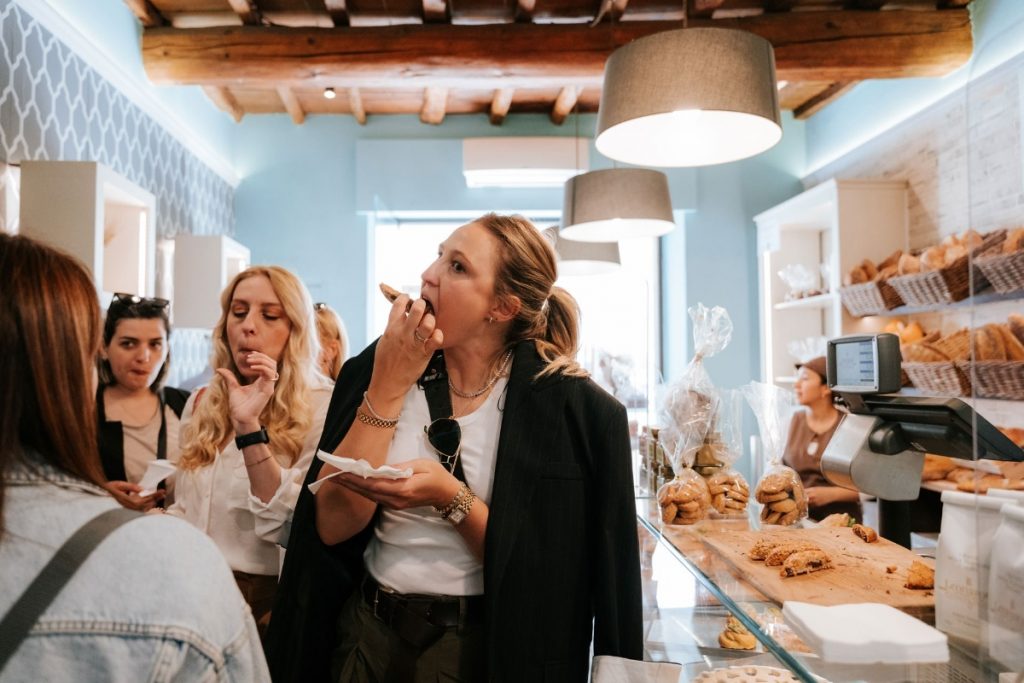
What to Eat – Sant’Ambrogio Must-Try Market Stalls
Long before places like Eataly sprang up, Europeans were not only shopping at central food markets, but often eating there too. Feasting on snacks (or even lunch) at a market is a great idea. You know the ingredients are super fresh because the sources are a mere steps away.
The Mercato di Sant’Ambrogio has less options for eating than the Mercato Centrale, but less doesn’t mean worse.
Our 5 favorite spots in the market →
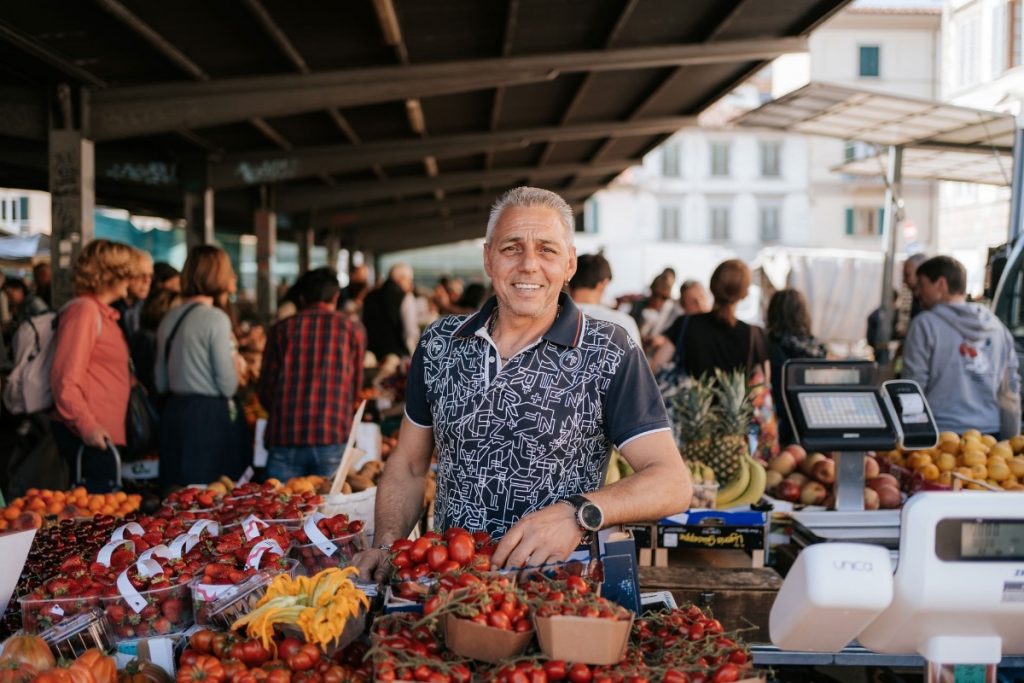
Da Rocco
If you are looking for the best food at Sant’Ambrogio, Da Rocco is the place to be. Since the mid-’80s, Rocco has been cooking up Florentine goodness inside the Mercato di Sant’Ambrogio.
Da Rocco is a tavola calda, a hot table, meaning that the food is prepared in the morning and is kept warm until it’s scooped, spooned, or ladled into a bowl or plate, and served to you.
Rocco serves up seasonal fare, so expect soups, pastas, meatballs and other Tuscan delights.
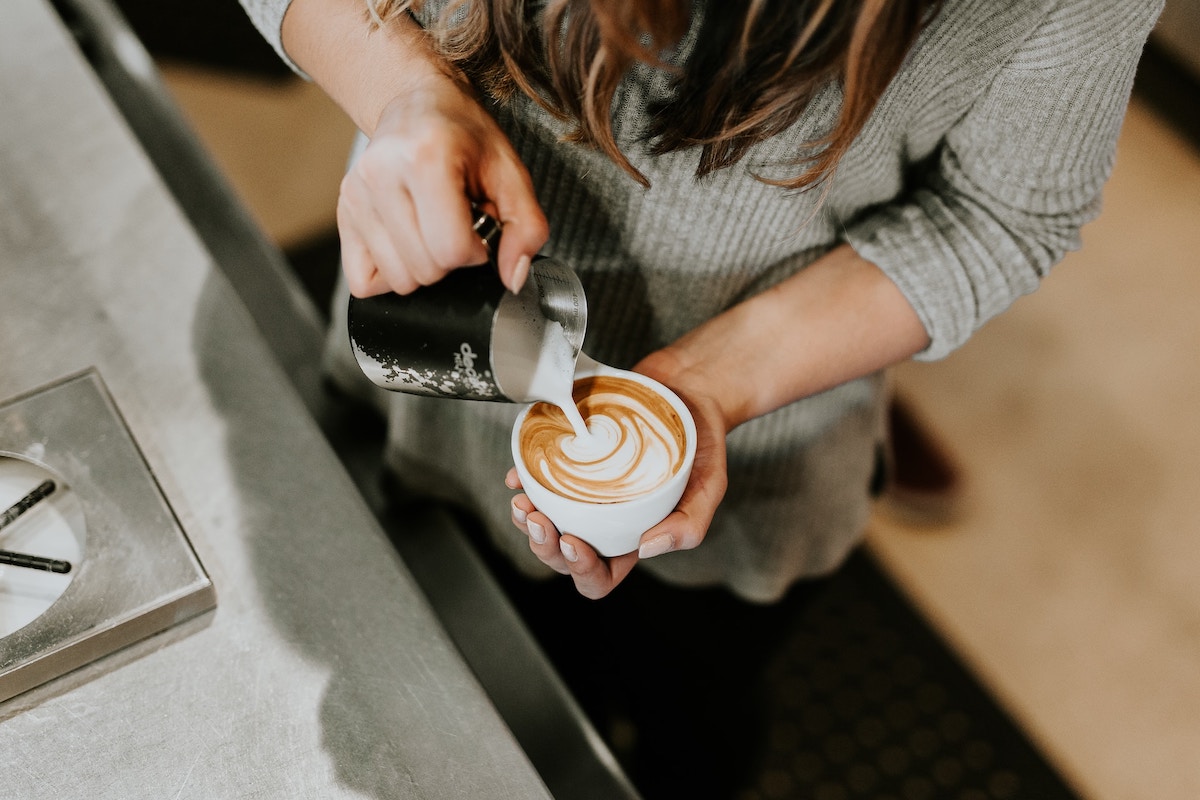
La Caffetteria del Vecchio Mercato
If you’re in the market in the morning, and ready for a caffeine boost (or need a post-pranzo pick-me-up), look no further than this coffee spot inside the market.
La Caffetteria del Vecchio Mercato pulls a fine espresso, and a great cappuccino too. They also have fresh cornetti (or croissants) in the morning.
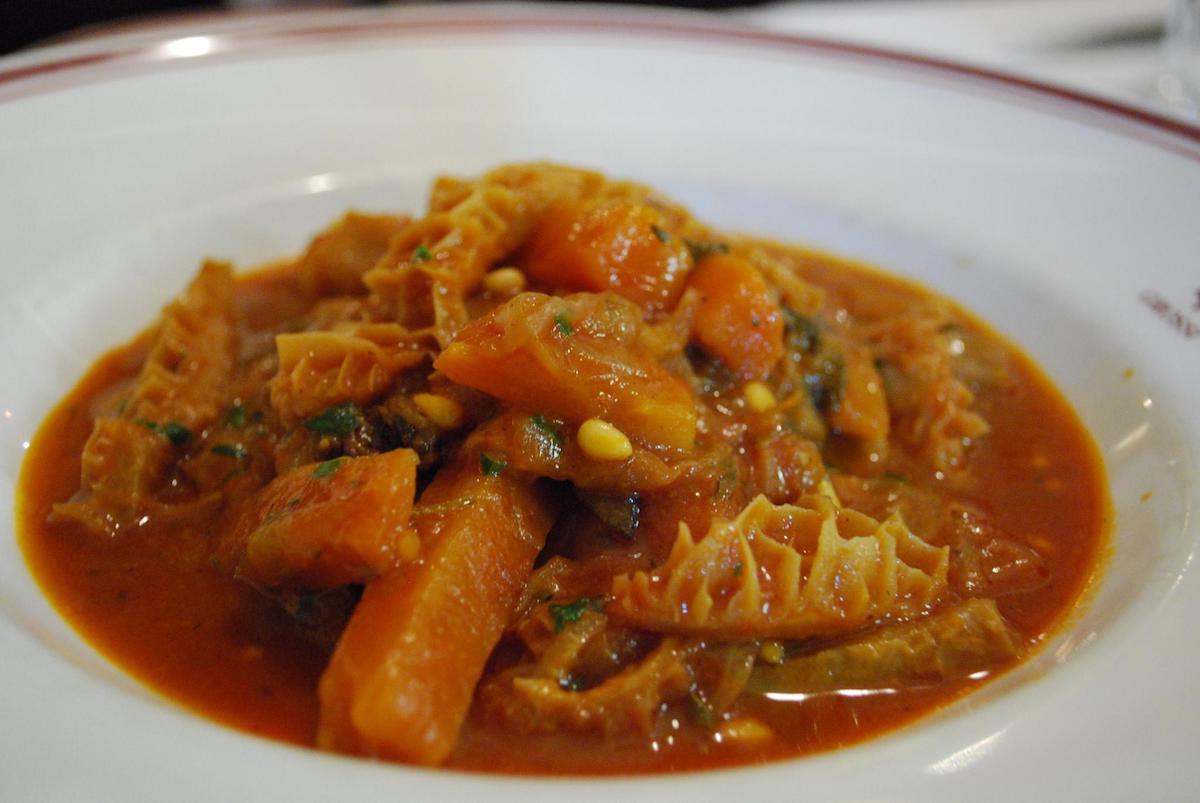
I Trippaio
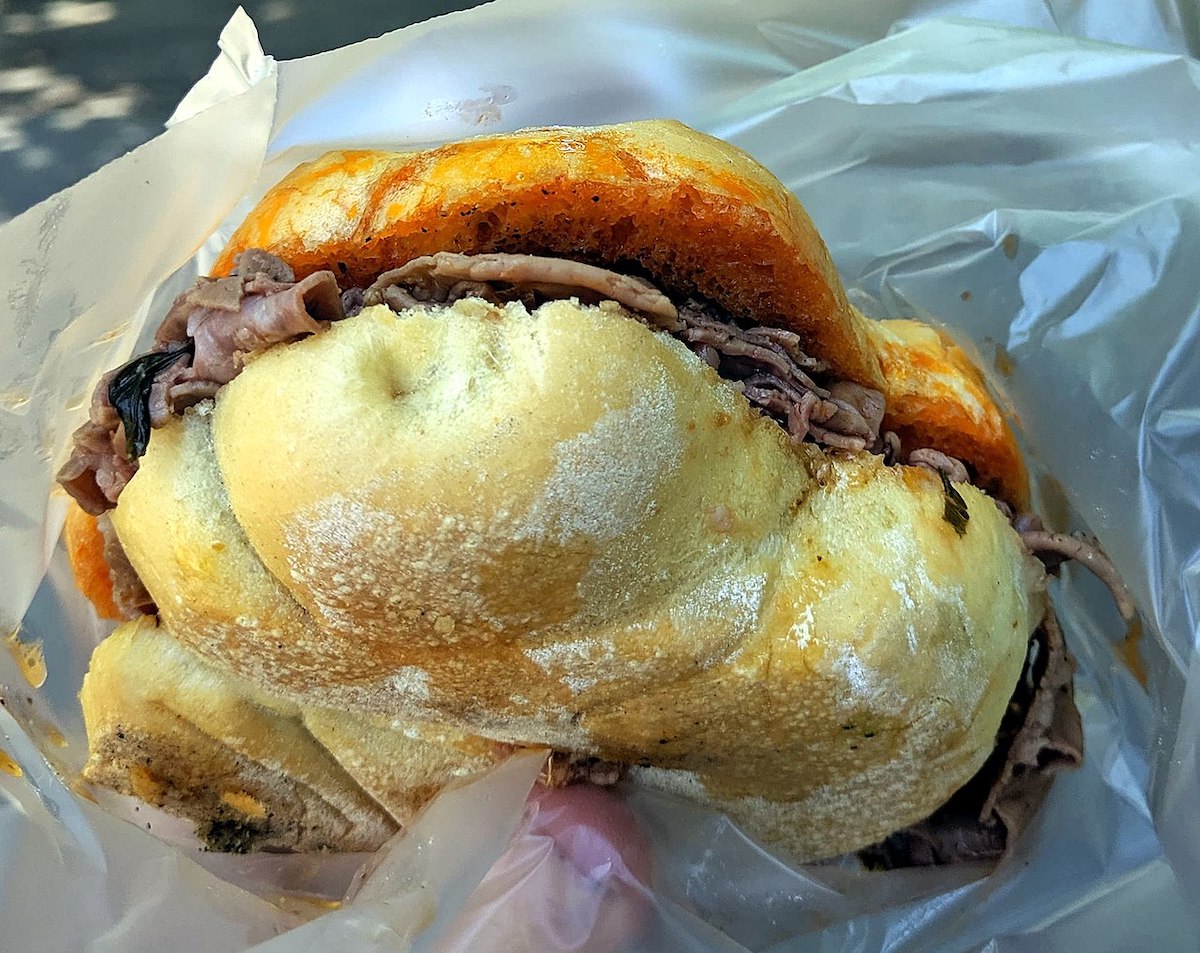
Nicola is the man behind this deli and butcher shop. I Trippaio is the place to go to sample the Florentine delicacy lampredotto. Keep in mind that this delicacy may be only for the adventurous.
Lampredotto is boiled tripe (or simply, part of the stomach lining) served placed between two slices of bread. It’s better than it sounds and looks, and Florence is the place to eat it.
Luca Menoni
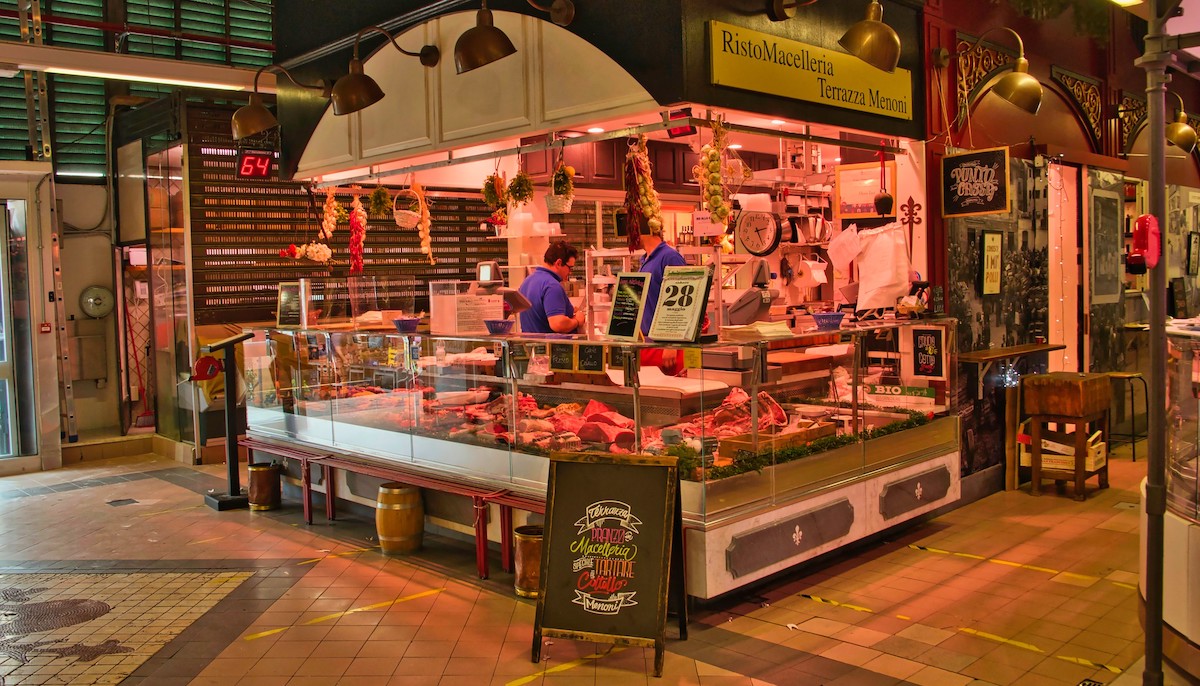
Luca Menoni butcher shop has been in the market for as long as anyone can remember, and also serves ready-to-eat food. Indulge in some beef tartare, hearty soups, and lasagna, among other delights.
Da Stefano
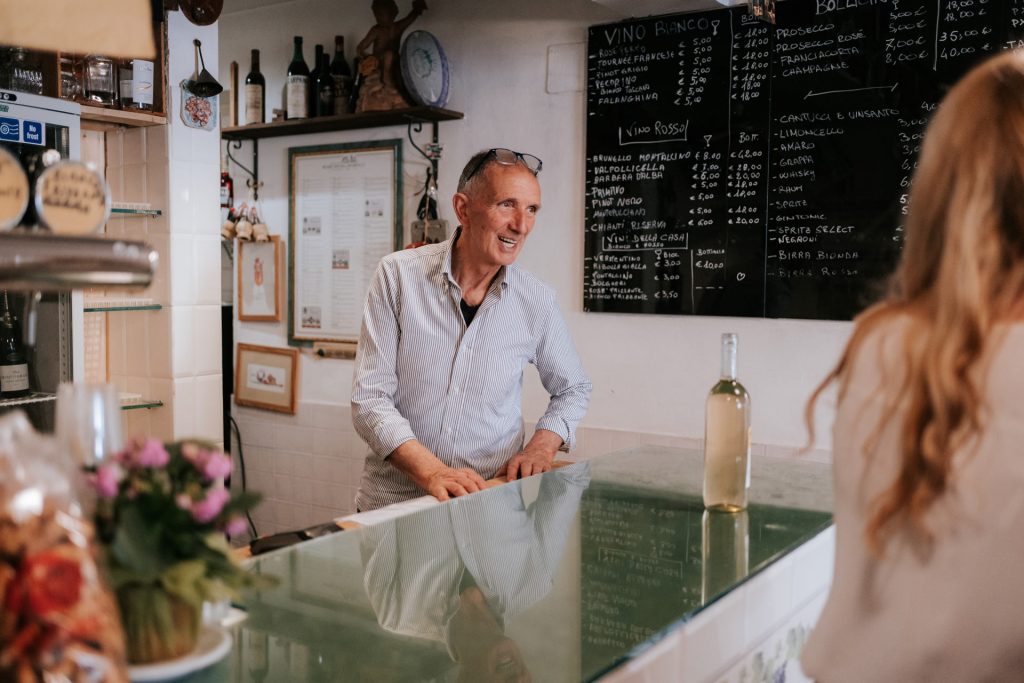
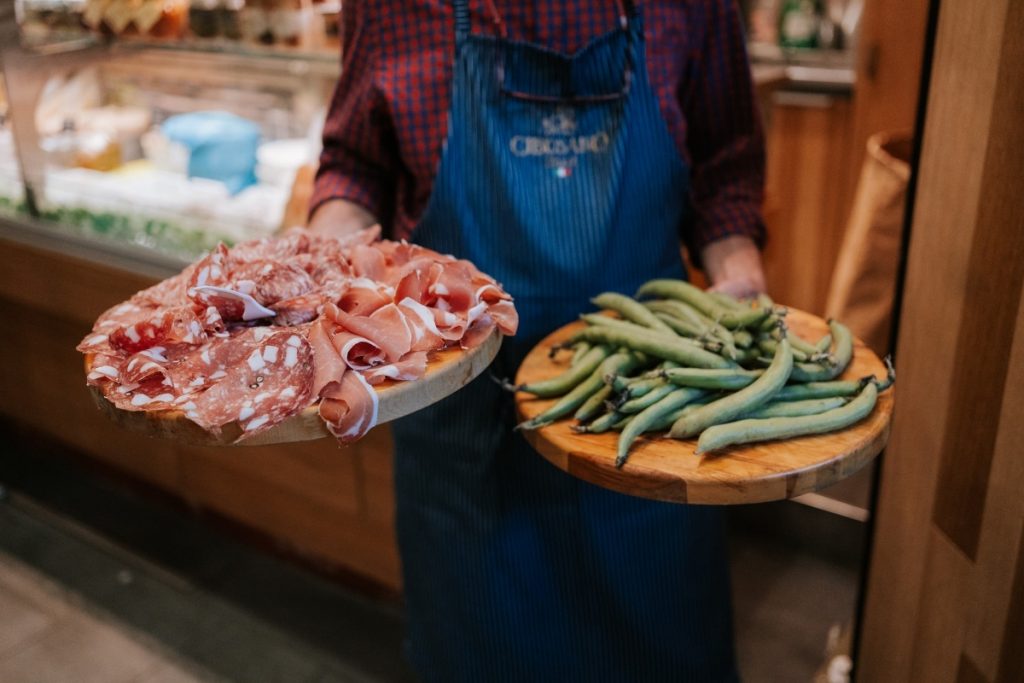
Da Stefano specializes in fine bottles of wine and various Tuscan food stuffs that can be eaten there or taken to go. You can get liberal slices from wheels of artisanal cheese and unctuous prosciutto, among other very edible goodies. Make sure to pair everything with the perfect glass (or bottle) of fine Tuscan wine.
FAQ´s – Sant’Ambrogio Market
What is the Mercato di Sant’Ambrogio?
The Sant’Ambrogio market happens to be the oldest market in Florence, beating out the larger and more central San Lorenzo market by a year. It’s one of the only food markets in Florence, and has a more local flavor to it because it is just east of the center of town.
Where is the Mercato di Sant’Ambrogio?
Sant’Ambrogio market is located east of the Duomo, in Florence, in the neighborhood of the same name. It’s not far from the district of Santa Croce. You can find it on Piazza Lorenzo Ghiberti.
Insider Tips for Navigating Sant’Ambrogio – Payment & Etiquette
- Be sure to bring cash. Not every vendor takes cards.
- Bring your own bag if you plan on buying some fruits, vegetables, and meat for later.
- Don’t be afraid to ask the vendors how a certain dish or ingredient should be made/prepared.
- Also, like any traveler, have your wits about you and be careful of pickpockets.
If reading about Florence’s markets has made your mouth water, why not taste the city for yourself?
Join our Florence Food Tour: Dine Around Oltrarno and let an expert local guide lead you through one of Florence’s most authentic neighborhoods. You’ll enjoy 8+ traditional Tuscan dishes and 4 drinks across 5 historic eateries, with enough food for aperitivo, dinner, and dessert. From crostini, cured meats, and cheeses to fresh Tuscan pasta and a perfectly grilled Florentine steak, every stop tells a story of local tradition. Sip Prosecco from a famous wine window, learn how to make a classic Negroni where it was born, and finish on a sweet note with artisanal gelato.
It’s the perfect way to turn market inspiration into an unforgettable Florentine feast.