

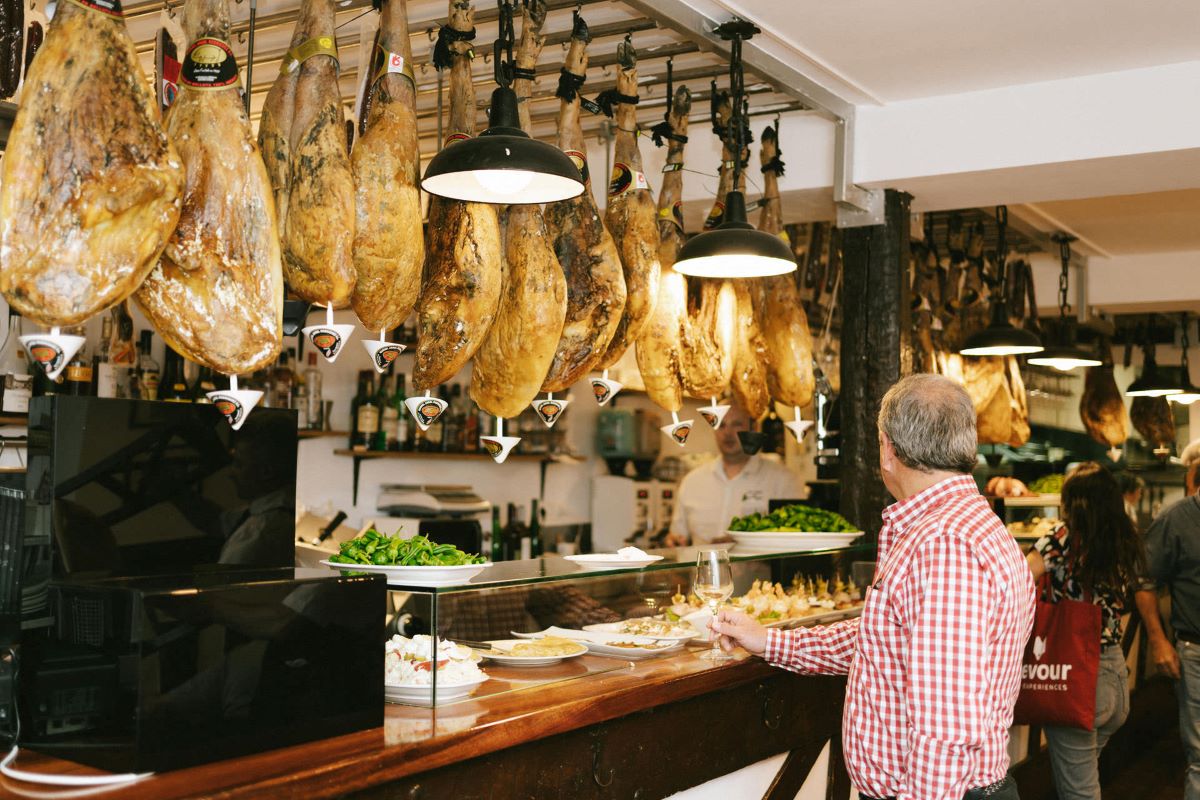
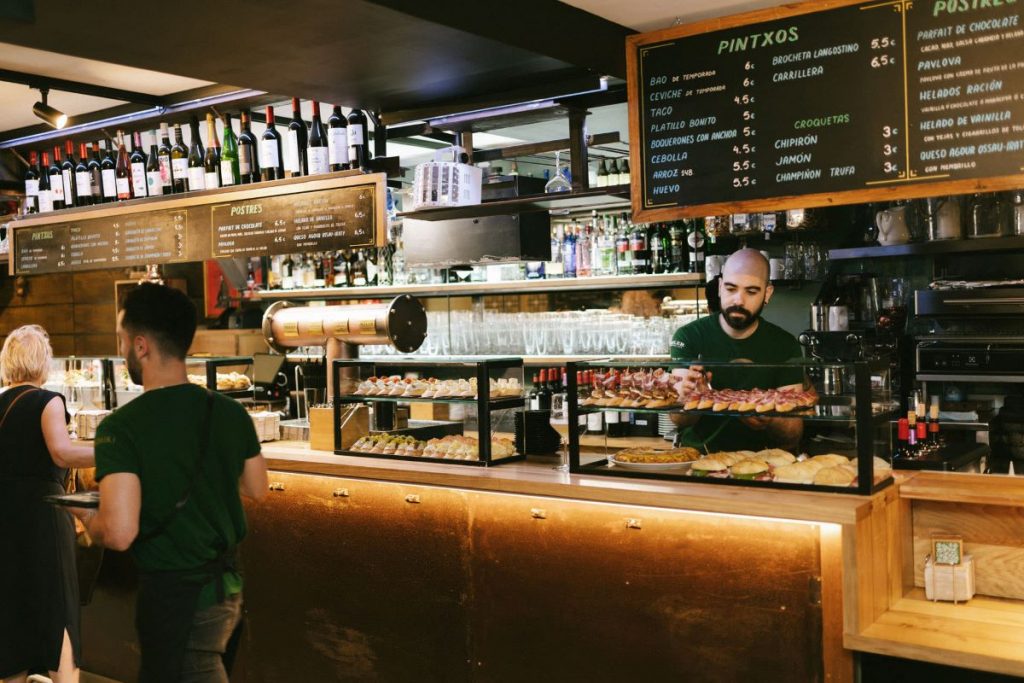
First-time visitors to San Sebastian might notice that the locals here eat in a slightly different way than the rest of Spain. You’ll see the clues the second you stroll into a bar in this Basque Country seaside town and see the delicious culinary display at the bar. Small plates of boquerones, anchovies in vinegar, fried croquettes, and various morsels on baguette slices – all held together with a toothpick. Welcome to the concept of the best pintxos, San Sebastian style!
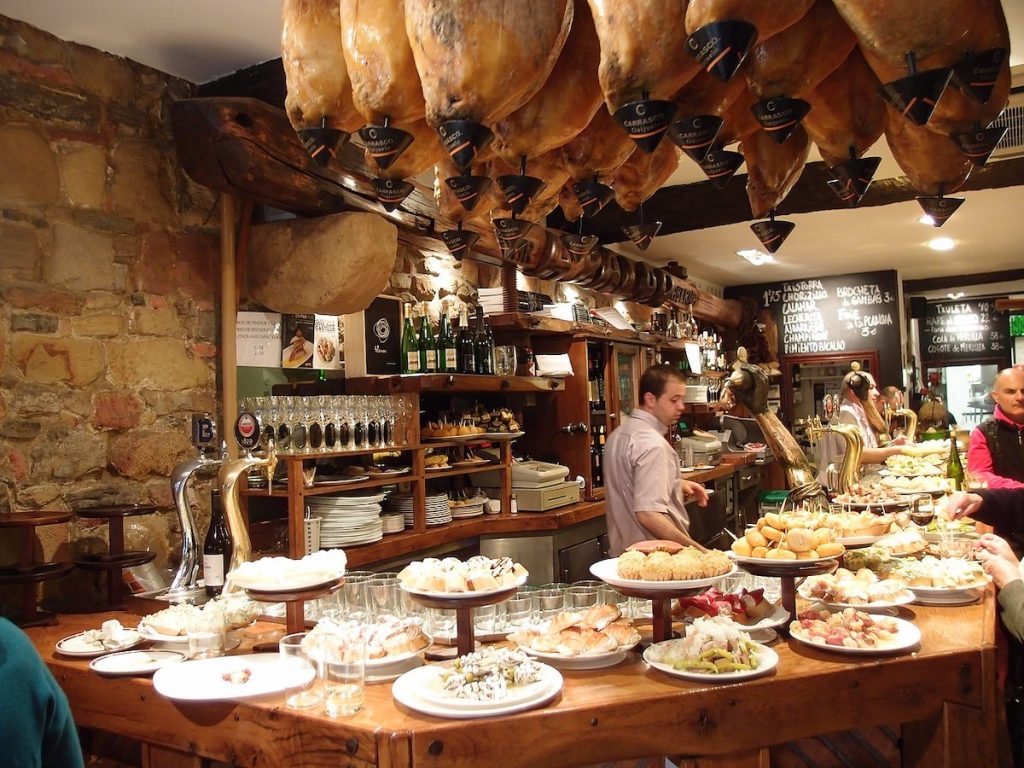
First of all…what exactly is a pintxo?
A pintxo (pronounce pincho) is a small snack typically eaten in bars across northern Spain, especially in the Basque Country. The word pintxo comes from the Spanish verb pinchar, meaning “to skewer” or “to prick”. This is because these snacks are traditionally small pieces of bread with toppings, held together with a toothpick or skewer.
Unlike traditional tapas, which can be ordered in various portions, pintxos are usually individual bites, often displayed along the bar so you can choose what looks good. They can range from simple toppings like anchovies and peppers to elaborate mini creations featuring seafood, meats, and gourmet sauces.
In short — a pintxo is a bite-sized masterpiece, meant to be enjoyed with a drink, some conversation, and plenty of atmosphere.
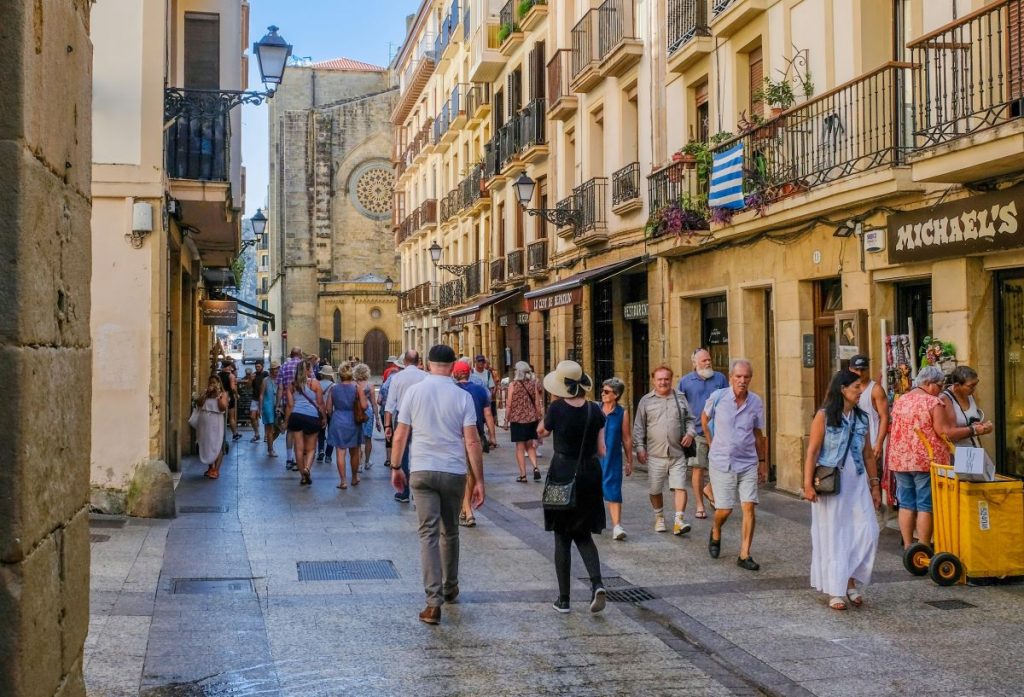
Where to go for the best pintxos, San Sebastian
The epicenter of the pintxos paradise is Parte Vieja, San Sebastian’s Old Town. This area is filled with establishments serving pintxos a plenty. And these main streets are bustling with tourist activity. But, you can walk a few hundred yards (or meters) off the beaten track and find an equal amount of pintxos bars minus the hordes of tourists. If this sounds like an edible Eden to you, then here are the top pintxos bars around and outside the Old Town.
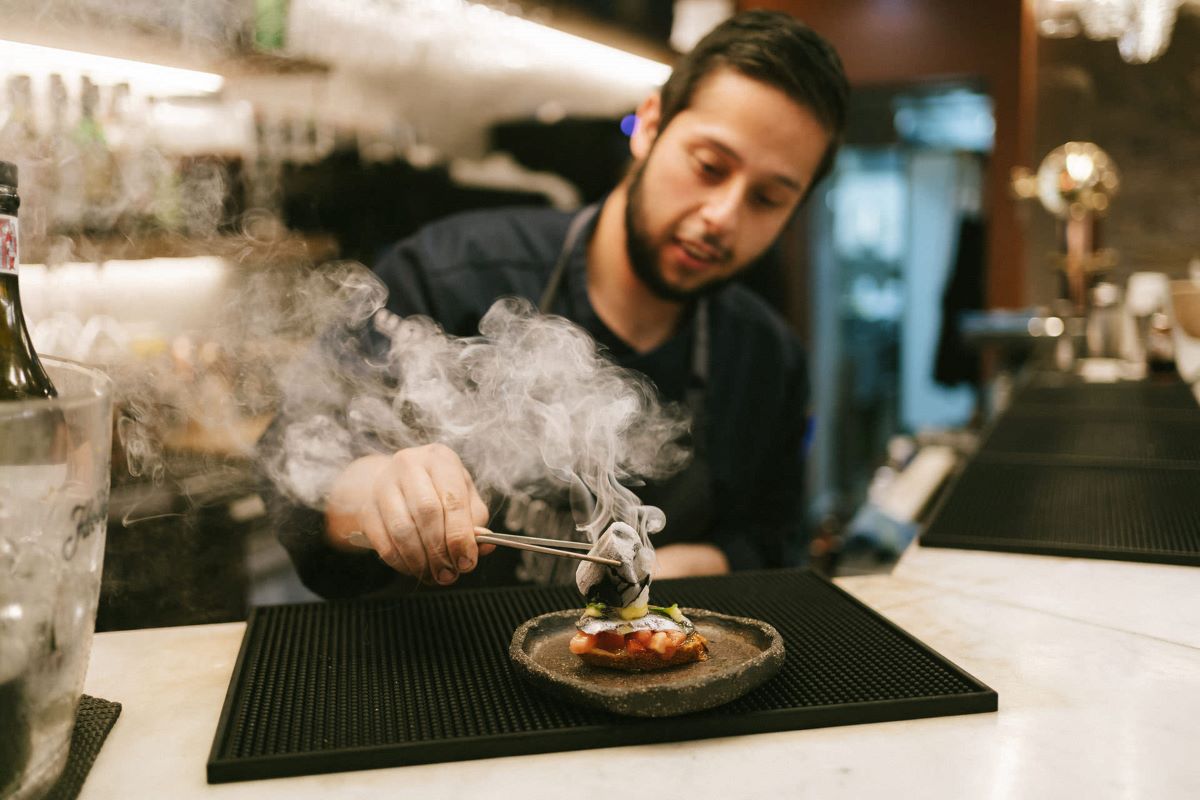
Bar Bergara
Located across the Urumea River in the wide streets of the Gros neighborhood, you will find handfuls of great pintxo bars among 19th century buildings. One of those perfect pintxos spots is Bar Bergara.
Michelin-star chef and local hero Juan Mari Arzak has long been a regular here, so that should tell you something of the quality at Bar Bergara. The bar was originally a regular sitdown restaurant but a few decades ago they switched to pintxos, and it’s been a hotspot y ever since.
Insider tip: The slice of foie gras sprinkled with balsamic vinegar and mango salsa is terrific here.
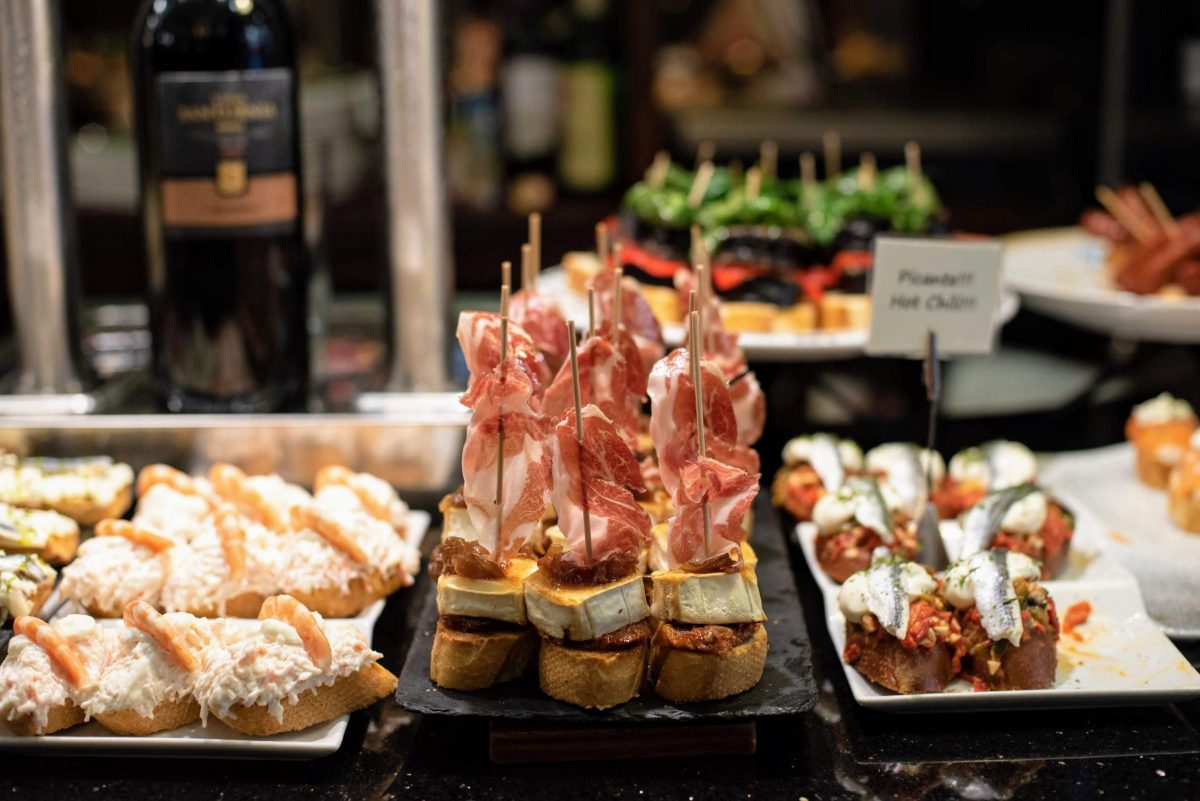
Casa Ricardo
If we are being honest, Casa Ricardo is not going to win any design awards. It is more “no frills” then hipster chic. But don’t be intimidated by the more rustic feel and service at Casa Ricardo.
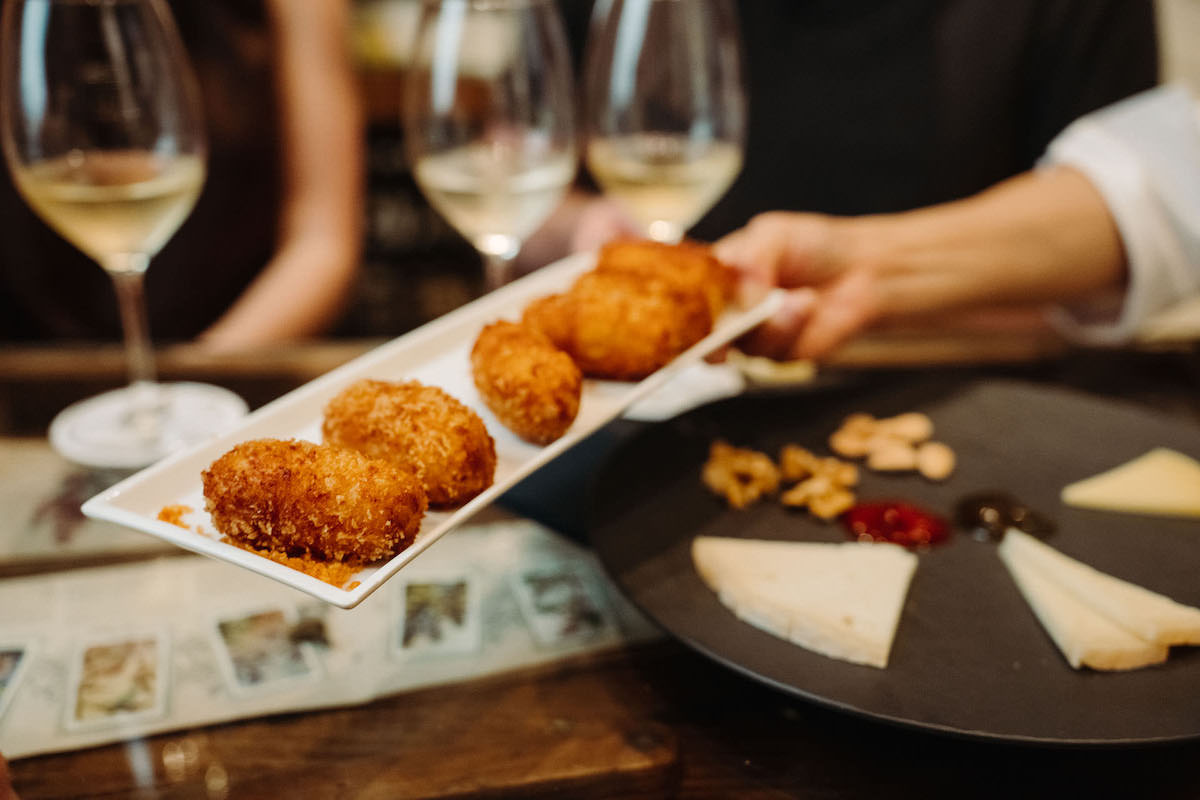
Do yourself a favor by ordering Ricardo’s famed creamy mussel croquette, croqueta de mejillones in Spanish. This plus-sized edible wonder is crispy and creamy at the same time.
Insider Tip: Pair the mussel croquettes with a glass of txakoli, their semi-sparkling Basque white wine!
Casa Vallés
Located near the river and south of the Parte Vieja, Casa Vallés has been serving up pintxos since 1942. In fact, the bar takes credit for essentially inventing pintxos. Many locals argue that the first pintxo was the “Gilda”, a Manzanilla olive, a Cantabrian anchovy, and a guindilla pepper on a skewer!
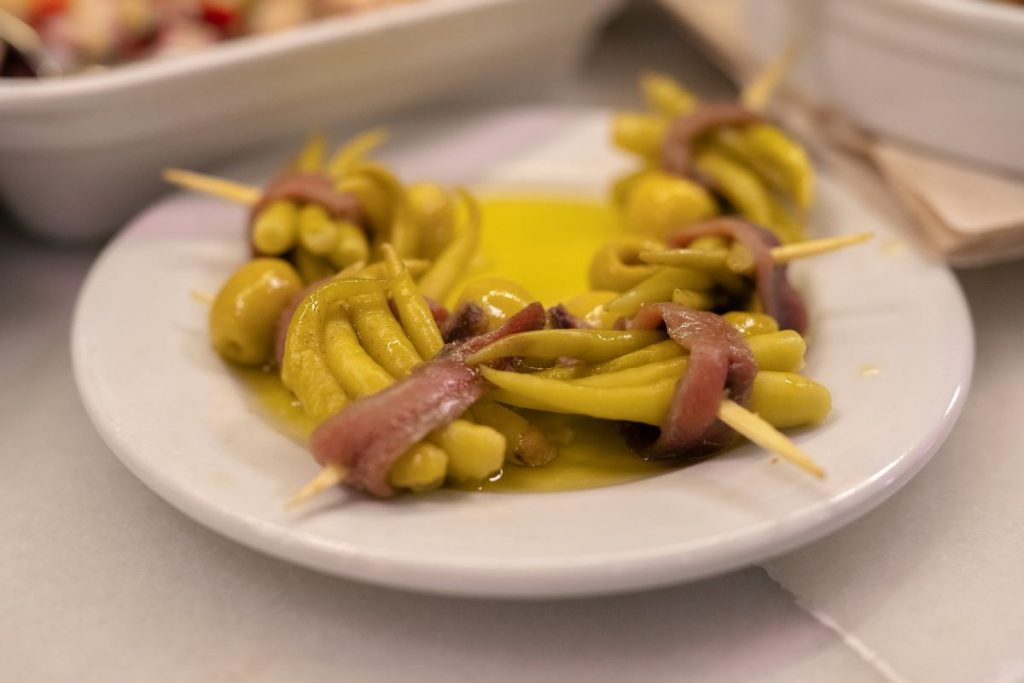
Fun fact: This mouth-sized delight was named after the 1946 film “Gilda”, starring Rita Hayworth because, as they said at the time, it´s flavor profile met the same qualities described in the film: green, salty, and a tad spicy.
Bar Antonio
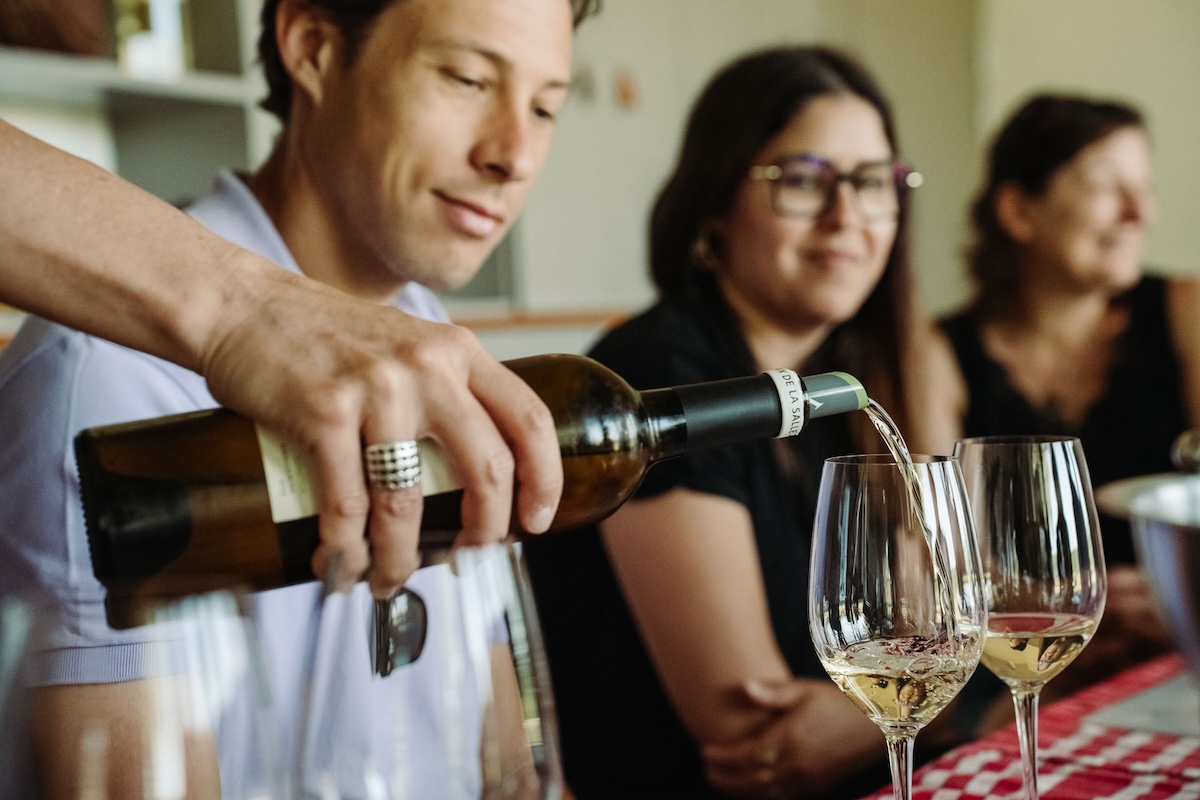
Bar Antonio, near the Urumea River is a hit with locals who flock here in the morning for coffee and in the evening for a glass of txakoli.
Some of the best Basque bites to get here include a cream-sauce-topped langoustine ravioli and the slightly runny potato tortilla. Bar Antonio is a must stop for anyone eating outside the Parte Vieja.
Insider tip: The mushroom/egg yolk/foie gras concoction is a showstopper.
Zabaleta
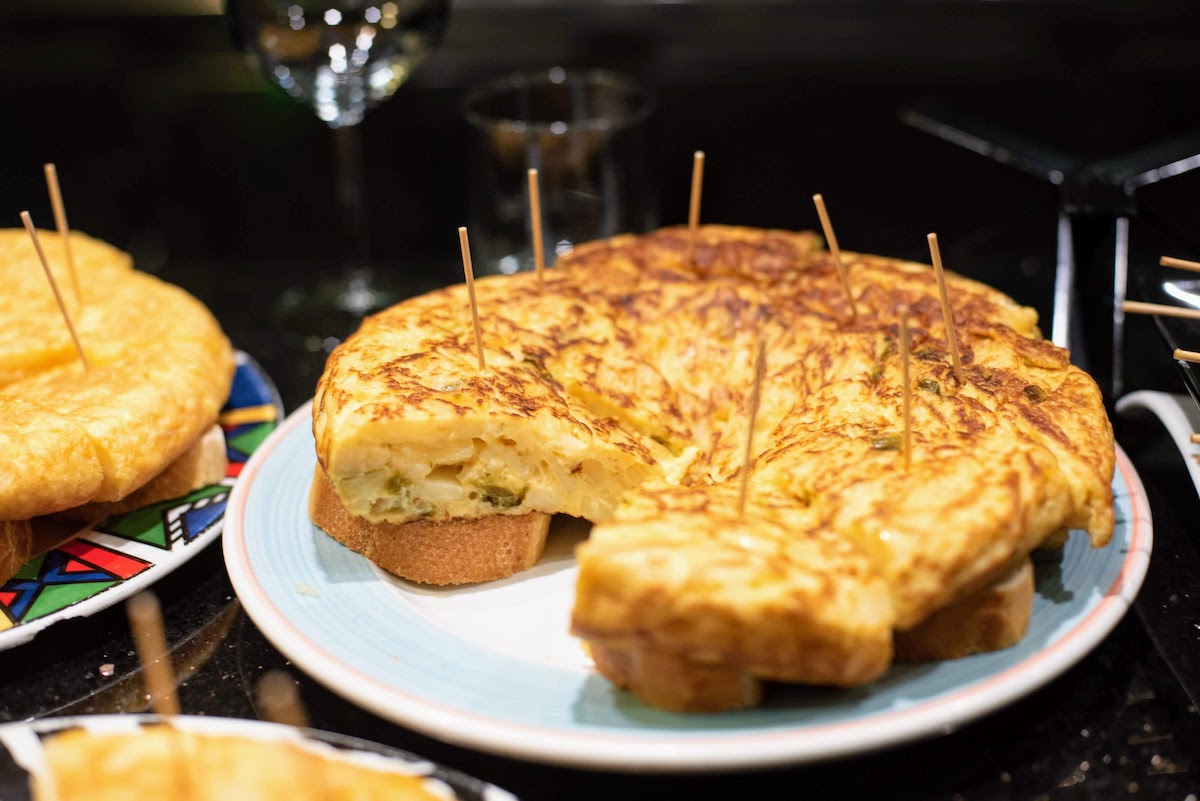
The Gros neighborhoood is also home to one of the city’s best tortillas. And you can find it at Zabaleta (Zabaleta Kalea, 51). Tortilla lovers flock to this place, which was opened by Marcelino García and Encarni Rosa around three decades ago.
The bar is located a block from the sea and the business, and the secret behind how to make the best tortilla has been passed down to son´s David and Ion. Their tortilla, or Spanish omelette, is suitably mocosa, or runny.
Fun fact: The bar goes through around 700,000 eggs per year making it´s tortilla
Bar Txalota
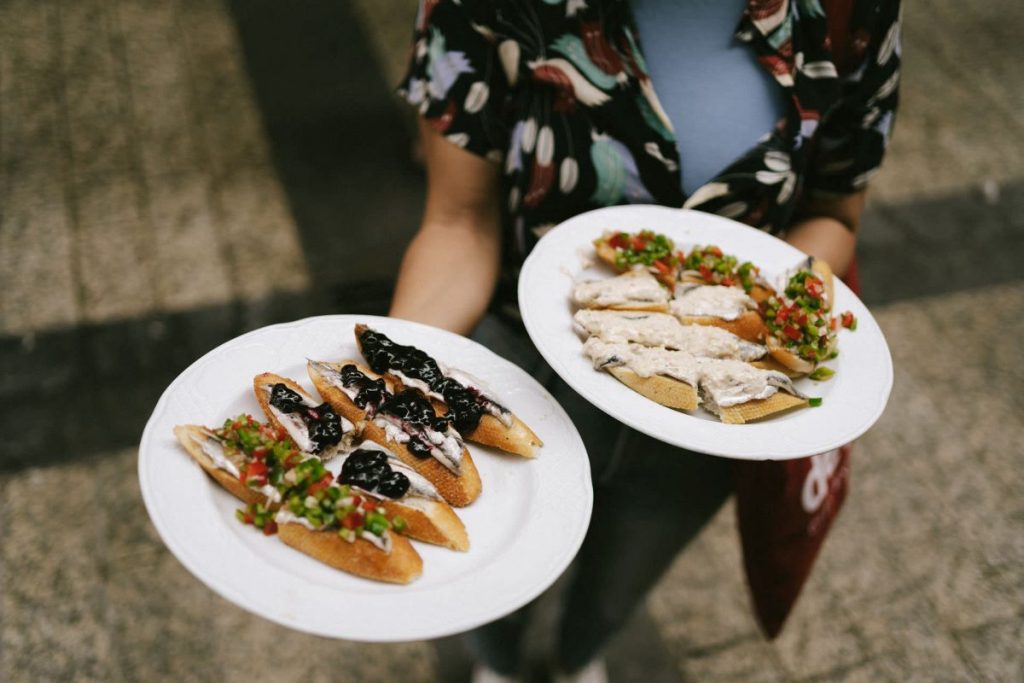
Unlike many of the pintxo bars in San Sebastian that are famous for doing one particular thing very well, Bar Txalota serves up a lot of edible hits. Favorites among the regulars include the fried squid and the mussels wading in a shallow pool of tomato sauce.
Inside tip: For adventurous eaters, the stewed snouts and tripe dish here is a delicacy worth trying!
Gerald’s Bar
We have to confess: the name Gerald’s Bar doesn’t exactly scream “authentic Basque pintxos.” In fact, Gerald’s Bar originated in Melbourne, Australia and then made the leap to Spain. Gerald´s first opened in 2013, in San Sebastian as a pop-up in the Old Town, before settling in the Gros neighborhood two years later.
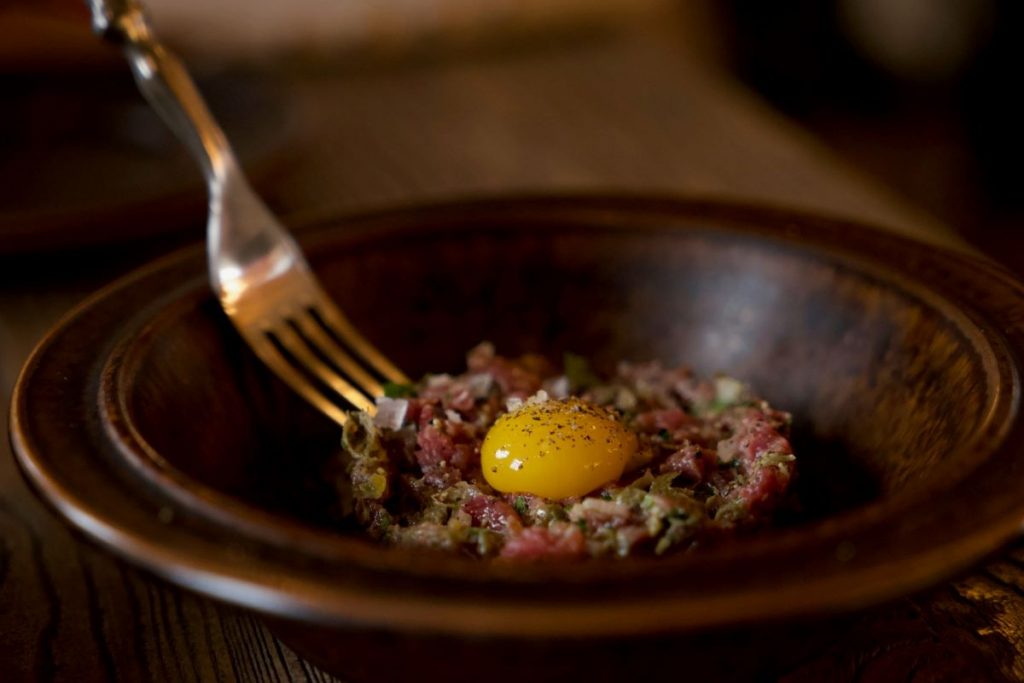
And it serves some stupendous small plates. The steak tartare is stunningly good and so is the country pate made with unctuous pork belly and the hearts of ducks and rabbits.
Insider tip: Unlike most bars here, Gerald’s has a wine list that spans the globe.
Ramuntxo Berri
Just a block from the Kursaal, the Rafael Moneo-designed conference center, Ramuntxo Berri serves a wide range of pintxos. A few recommendations: the grilled txipirones—baby squid—covered in caramelized onions and the juicy grilled txistorra sausage.
Fun fact: Their secret weapon is their Josper oven, which renders meat and vegetables oh so tender.
FAQ´S – Best Pintxos San Sebastian
What’s the best time to go pintxo hopping in San Sebastián?
Locals usually head out for pintxos around 1:00–3:00 p.m. for lunch and again from 8:00 p.m. onward for the evening round. Most bars are buzzing at these times, but the early afternoon is often more relaxed if you’d rather skip the crowds.
How do you order pintxos like a local?
Don’t worry about sitting down — just stand at the bar, order a drink (usually a txakoli, cider, or small beer), and then point to whatever catches your eye. In some places you’ll take your pintxos directly from the bar display and keep your toothpicks — the bartender will count them later to tally your bill.
What’s a pintxo crawl, and why is it so popular?
Locals rarely stay in one place for long. A pintxo crawl — or poteo — means visiting several bars in one evening, sampling one or two pintxos and a small drink at each stop. It’s a social ritual as much as a culinary one, giving you a taste of the city’s variety and energy in a single night.
Are vegetarian or gluten-free pintxos easy to find?
Yes — San Sebastián’s food scene is remarkably inclusive. Many bars now offer vegetarian options such as grilled vegetables, cheese-based bites, or egg dishes, and gluten-free bread or tortillas on request. If in doubt, simply ask the bartender — “¿Sin gluten?” or “¿Vegetariano?” — and they’ll point you to the right options.
While you’re hopping around the best pintxos San Sebastian you can also explore the vibrant and historic neighborhoods. There are so many things to see, do, and eat in San Sebastian, that you could spend years visiting it all. To help you find you way have a look at our list of the 10 Must-Do Activities in San Sebastian’s Old Town.
And if you’d like to dive deep into this city’s history and culinary mastery, or, you would prefer to have a local expert guide you around the best pintxo places, you can join our Ultimate Pintxos & Wine Tour of San Sebastian guided tour.