

Venice is a city that sets itself apart from the rest of Italy. Unlike typical urban landscapes, it’s defined by its intricate system of canals. This lends a distinctive character to the Venice public transport infrastructure that mirrors the city’s uniqueness. When it comes to navigating and moving around Venice’s islands, you have several options. These include Valporetti water buses, water taxis, traghetto, and the most famous of all, the traditional gondolas.
Read along as we break each option down and help you figure out the best way to move around Venice during your trip.
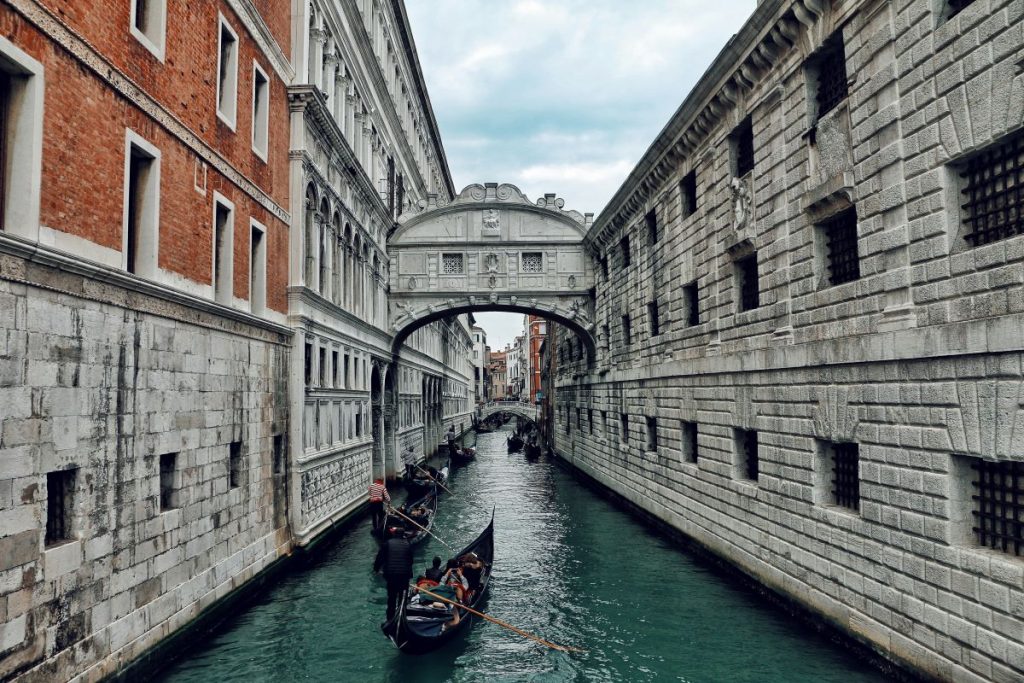
Vaporetto (Water bus)
The vaporetto is the main public transportation in Venice. It’s the most used by locals and tourists to get around the Venetian islands. These water buses connect Venice through its different lines with the other islands, especially the most visited ones, Murano and Burano. Vaporetti operate throughout the day from 4:30 am to 12:30 am, although their frequency drops during the night. Keep this in mind if you want to explore Venice at night.
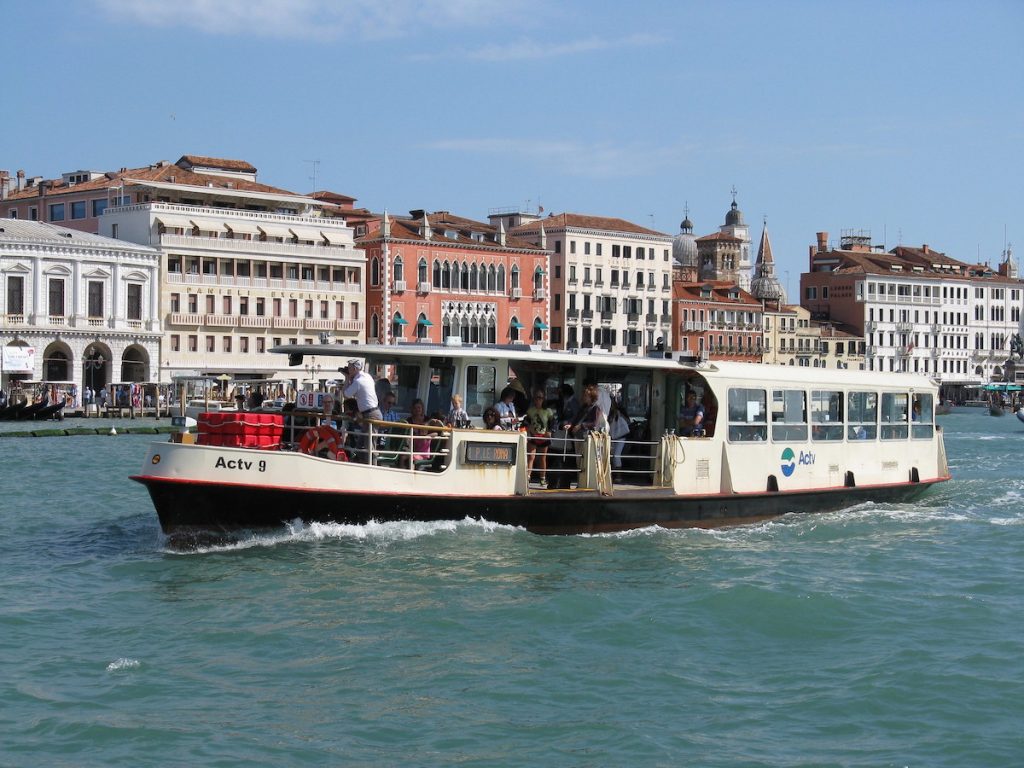
Here are some of the most relevant lines for first-time visitors and tourists covering the city centre, the lagoon islands and scenic routes.
- Line 1 – Runs along the Grand Canal between major stops such as Piazzale Roma, Ferrovia (Santa Lucia train station), Rialto Bridge and San Marco. Excellent for a scenic introduction to Venice’s heart.
- Line 2 – A faster line that links many of the same key stops, such as Piazzale Roma → Rialto → San Marco, but with fewer stops and a more direct route, useful when time is tighter.
- Line 4.1 / Line 4.2 – Circular “outer” lines that travel around Venice’s perimeter and to islands like Murano, offering a broader view of the lagoon beyond the Grand Canal.
- Line 5.1 / Line 5.2 – Also large-loop lines around Venice’s outer edges and linking with the lagoon islands and the Lido. Good if you’re staying or exploring further out from the city centre.
Insider tips: Firstly, be careful to choose your direction: For loop lines like 4.1/4.2 or 5.1/5.2, picking the correct direction (clockwise vs counter-clockwise) can save time. It is also a good idea to pick seats wisely for views: On Line 1 or others along the Grand Canal, sitting at the front or back of the boat gives excellent views of the palaces and bridges.
For more info, visit the Actv website, currently Venice’s main public transport provider. Or you can download a pdf map too!

Water taxis
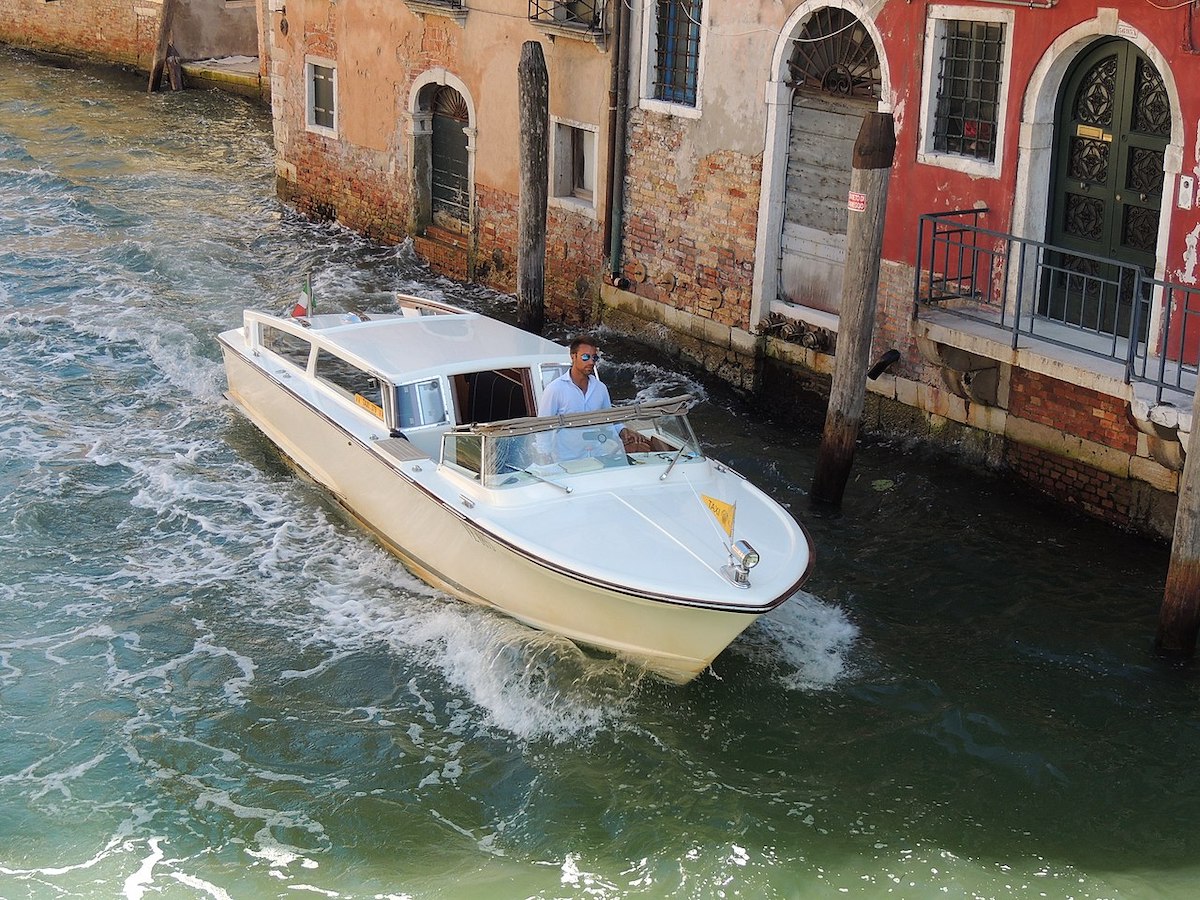
For people interested in having more privacy and control of their time, the best way to get around using Venice public transport is by taking a water taxi. It is the ideal transportation to reach destinations not served by the vaporetto, or just an alternative way to travel comfortably.
To order water taxis, you can go to the various taxi stands throughout the city, or book them at the Consorzio Motoscafi. Their maximum capacity is 10 people, and the price will vary depending on the route.
Traghetto
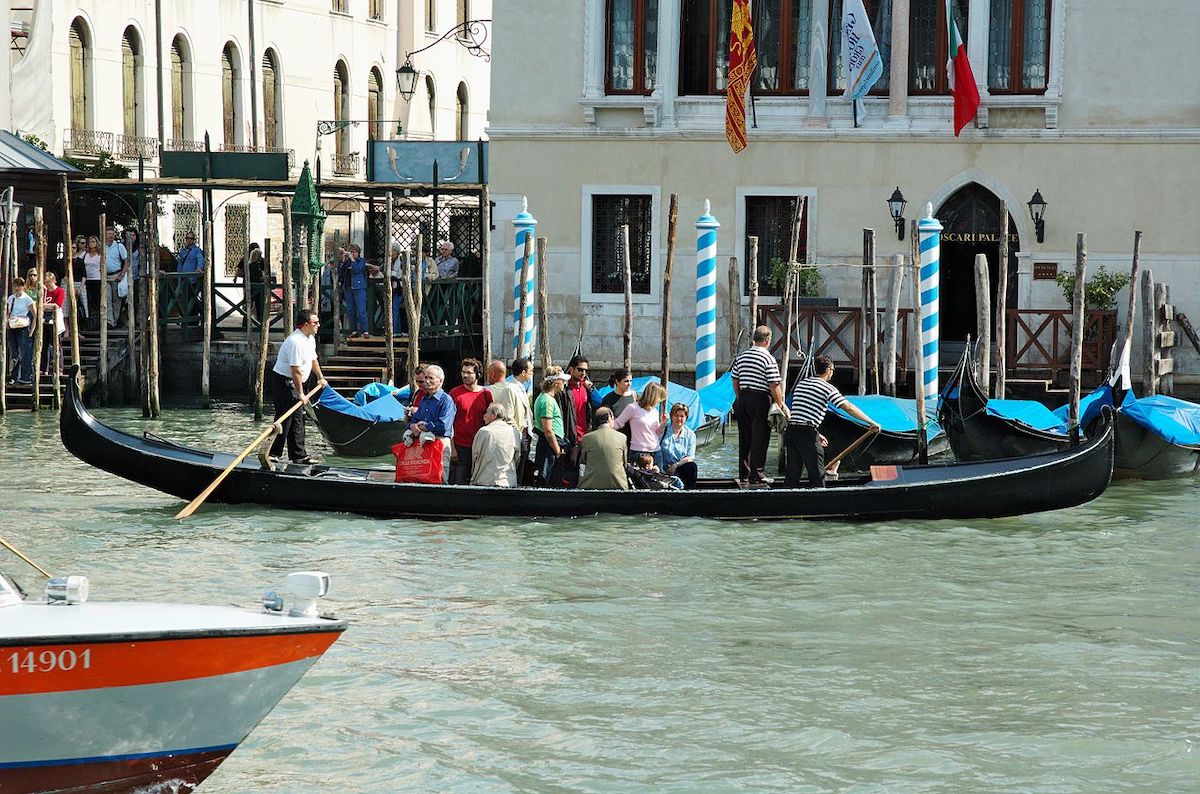
The traghetto is a style of gondola used mostly by locals to cross the Grand Canal from one point to another in the city, specifically where there are no bridges. It is usually the fastest and most economical method, without using the famous tourist gondolas. In fact, it’s one of the best options if you want to take a quick gondola ride without breaking the bank. The traghetti stations are located along the Grand Canal, at the points where there are no bridges to cross.
Gondola
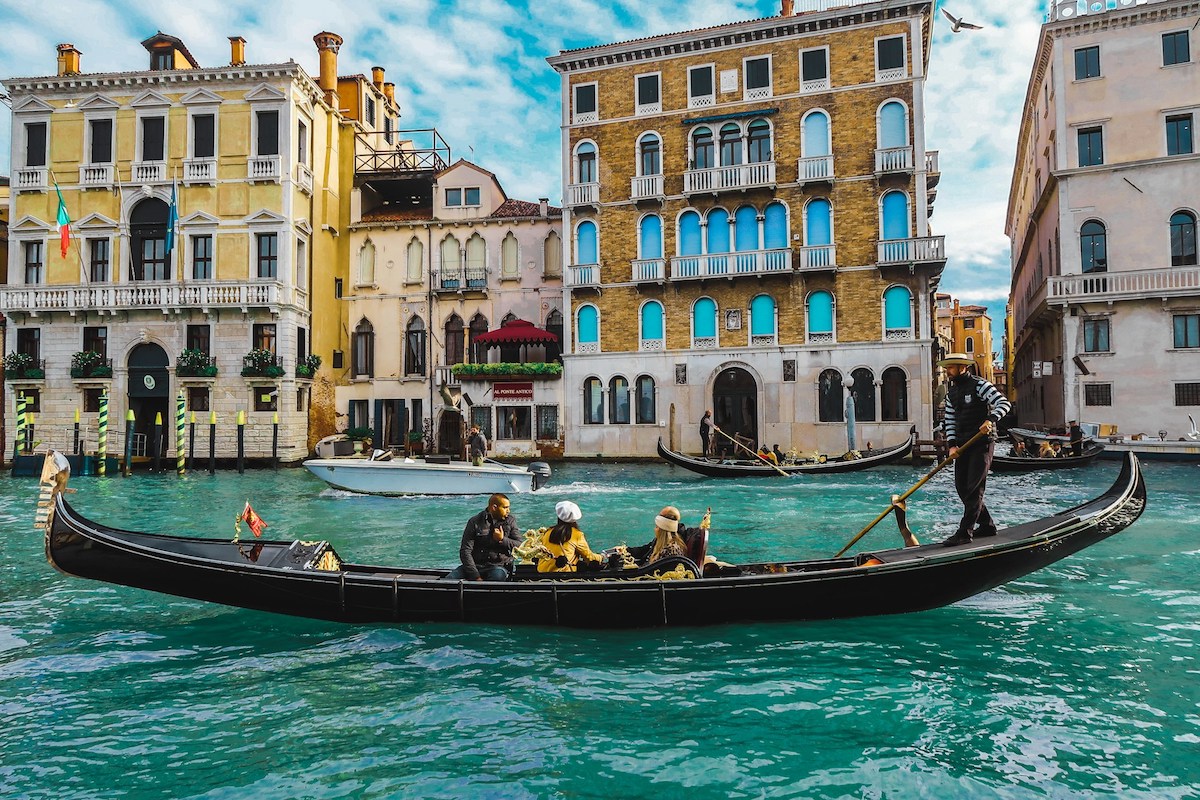
The gondolas are probably one of the most distinctive symbols of Venice. Few people think of traveling to Venice without including a gondola ride in their itinerary.
For this reason, it is the most touristy and the most expensive transportation in the city. A gondola ride includes enjoying the best views of Venice from the water. Where else can you float past famous monuments and buildings on small picturesque canals?
You can usually book a gondola ride for 30 minutes or an hour and they will take you around the city. However, bear in mind that you should definitely be clear about the price before the ride.
Finding the gondolas is not very difficult, as they are all over the city. However, if you want to book a ride in advance and combine it with other attractions, we suggest the tour of Venice in a Day with St. Mark’s Basilica, Doge’s Palace, & Gondola Ride.
Alilaguna
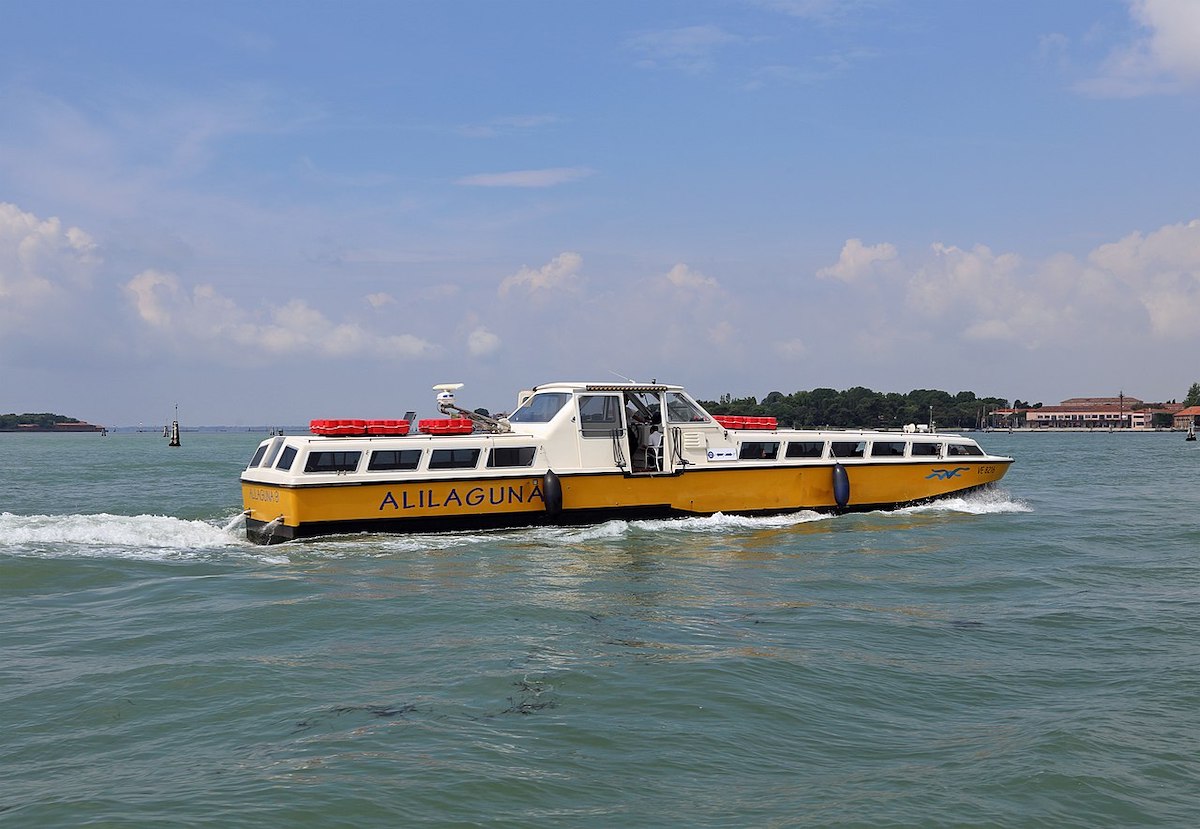
The Alilaguna is a another public water-bus service that connects Venice Marco Polo Airport (VCE) with key points across the Venetian Lagoon. These include Murano, Lido, and central Venice. It’s separate from the ACTV vaporetto network and requires its own ticket. There are currently three main lines:
- Blue Line (Blu): Connects the Airport with Murano Colonna, F.te Nove, Ospedale, Bacini, Lido, Arsenale, San Zaccaria, San Marco Giardinetti, Zattere, Giudecca Stucky, and Tronchetto.
- Orange Line (Arancio): Runs from the Airport through Madonna dell’Orto, Guglie, San Stae, Rialto, Sant’Angelo, Ca’ Rezzonico, and Santa Maria del Giglio, ending near San Marco.
- Red Line (Rossa): A seasonal route (operating mainly in spring and summer) linking the Airport to Murano, Certosa, Lido, San Zaccaria, and San Marco Giardinetti.
Alilaguna boats operate throughout the day, with frequency depending on the season and time of day. Updated timetables and ticket options are available on the official website: www.alilaguna.it.
FAQ´s – Venice Public Transport
Can I use the same ticket for the vaporetto, bus, and tram?
Yes — if you’re using ACTV transport services. A single ticket or travel card (like the Venezia Unica card) covers vaporetti, city buses, and trams within the Venice area. This includes the mainland zones of Mestre and Marghera. Just remember that Alilaguna boats and water taxis require separate tickets, as they are not part of the ACTV network.
Is it worth buying a day or multi-day transport pass in Venice?
Definitely, if you plan to move around the islands. A 24-, 48-, or 72-hour ACTV pass gives you unlimited access to vaporetti and land buses. These passes are especially good value if you’re visiting Murano, Burano, or Lido, since individual tickets can add up quickly.
What are the night transport options in Venice?
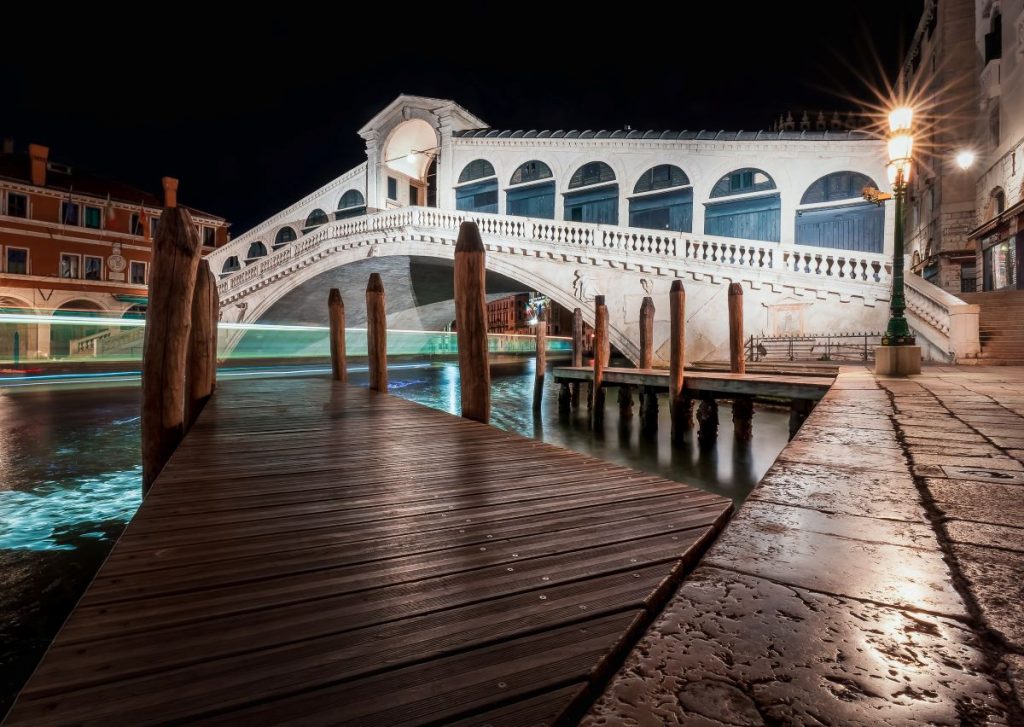
Yes. Most vaporetto routes reduce frequency late at night. However the Line N (Notturna) operates through the Grand Canal and connects key stops like Piazzale Roma, Ferrovia, Rialto, and San Marco between midnight and 5 a.m. This ensures you can still get back to your hotel safely after a late dinner or event.
How accessible is Venice’s public transport for travelers with limited mobility?
Venice has made great progress in accessibility. Many vaporetto stops (especially along the Grand Canal) are equipped with ramps and accessible boarding for wheelchairs. However, some smaller stops and bridges remain challenging. ACTV provides an updated list of accessible stops and routes on its website to help plan barrier-free travel.
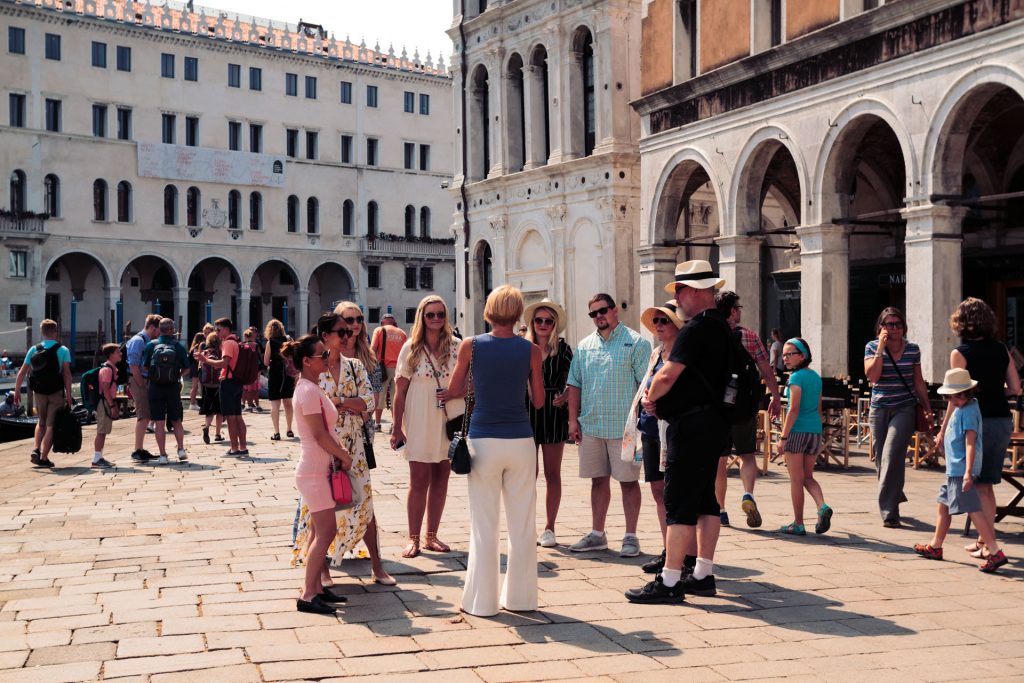
Ready to explore Venice like a local? Join a Take Walks tour and discover the city’s secrets with expert guides. Choose from 7 sightseeing tours, where you’ll see iconic landmarks and hidden corners, or indulge in 2 delicious food tours, tasting Venice’s best cicchetti, fresh seafood, and traditional specialties.
Whether you’re a history buff, a foodie, or both, a guided tour is the perfect way to experience the magic of Venice stress-free. Check out all the tours here: Venice Tours – Take Walks