

In the heart of southern Italy lies a vibrant metropolis that’s a melting pot of ancient history, rich culture, and culinary delights. That city? Naples! But what is Naples, Italy known for, apart being famed as the birthplace of pizza? Let’s find out!
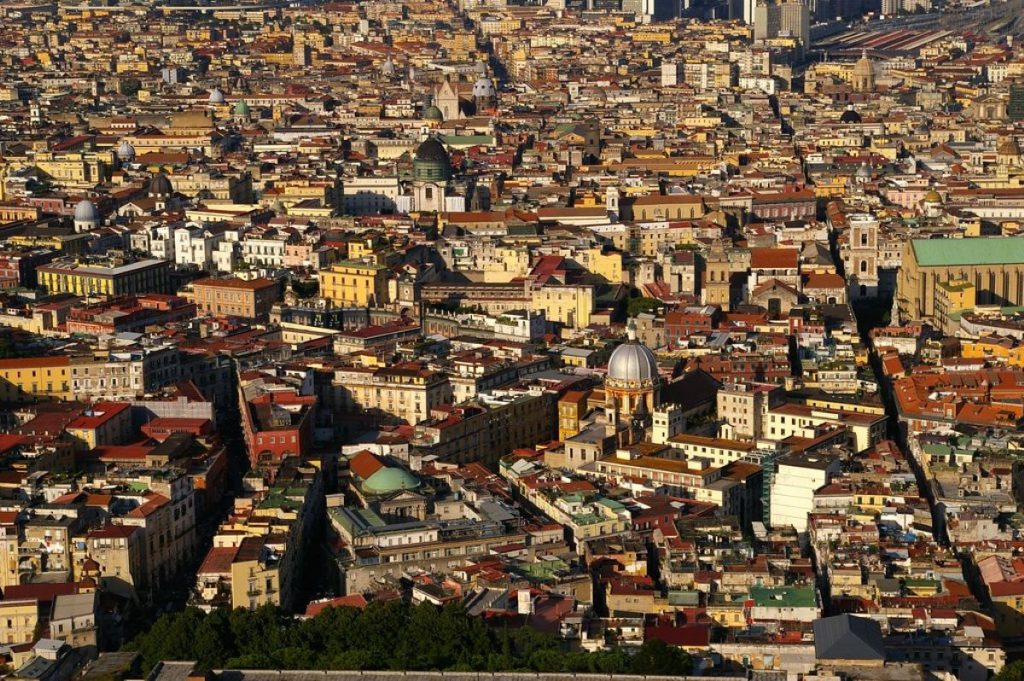
What is Naples Known For?
Pizza, Seafood and Pastries
Naples’ most mouthwatering offering is its cuisine. Throughout the streets of the historical center (centro storico) and the Spanish quarters (Quartieri Spagnoli), there are rustic trattorias and the aroma of freshly baked pizza in the air. When travelers visit Italy, they often seek out traditional Italian pizza. However, this doesn’t solely refer to Neapolitan pizza; it encompasses a variety of regional styles found throughout the country.
However, Neapolitan pizza is often credited as the earliest form of pizza. And, there’s no better place to indulge in it than in its city of origin. Try the classic Margherita with fresh tomato sauce, mozzarella, and basil. Or opt for the decadent pizza fritta, a deep-fried delight oozing with cheese and fillings.
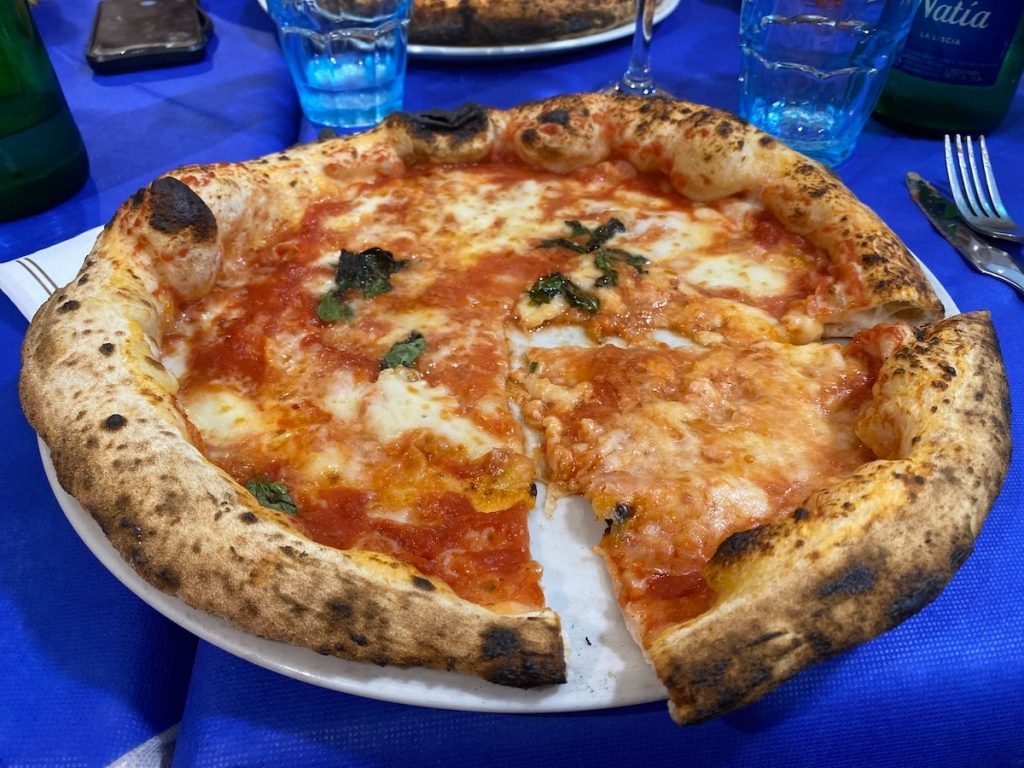
The culinary prowess certainly doesn’t stop at pizza—seafood in Naples is also incredible. Seafood lovers can enjoy dishes such as spaghetti alle vongole, with a garlic-infused sauce, or fritto misto di mare, a crispy medley of fried seafood.

For dessert, you can’t miss the iconic sfogliatelle, a crunchy pastry filled with sweet ricotta and dusted with powdered sugar. Do yourself a favor and try both kinds of sfogliatelle: the ricca (fried) and frolla (baked) ones! At Cuori di Sfogliatella, you can find modern takes on these pastries. They come with a variety of fillings—both savory and sweet!

Mount Vesuvius and Pompeii
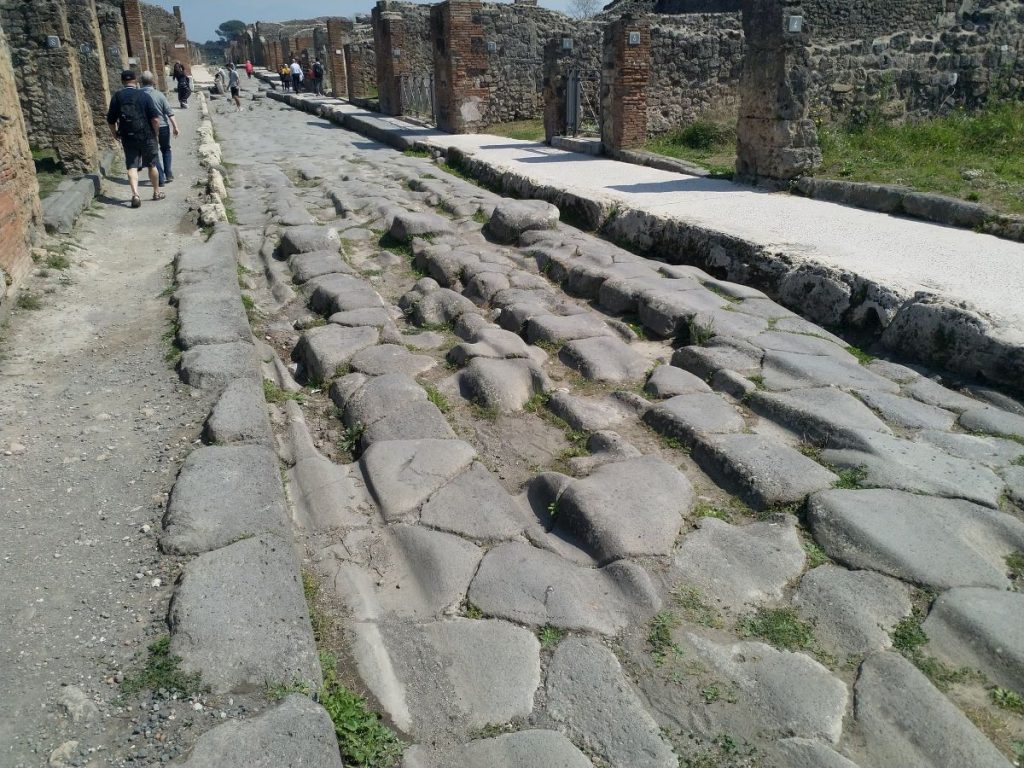
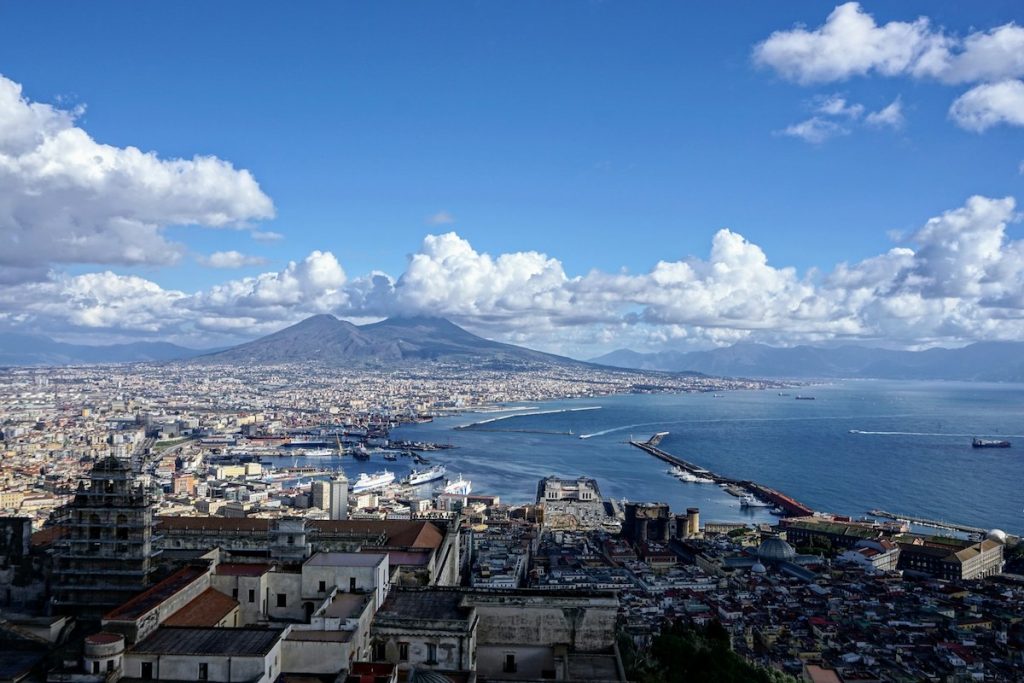
A visit to Naples wouldn’t be complete without paying homage to Mount Vesuvius and the ancient city of Pompeii. Standing guard over the bay of Naples, Mount Vesuvius is a reminder of nature’s power. Its infamous eruption in 79 AD buried the nearby city of Pompeii under a blanket of ash and pumice, preserving it in time for future generations to discover.
Walking through the streets of Pompeii is like stepping back in time. From the amphitheater to the ancient forum, every corner tells a story of daily life in a bustling Roman city. The haunting plaster casts of the volcano’s victims serve as a reminder of the city’s tragic fate.
Insider’s Tip: By venturing a little out of the city center, you can reach Castel Sant’Elmo. From here you can enjoy sweeping views over the Bay of Naples and Mount Vesuvius. There are some bars nearby where you can rest with a coffee or spritz and take in the panorama!
Historical sites and architecture
Throughout the labyrinthine streets of Naples, historical sites and architectural marvels speak to the city’s illustrious past. Palazzo Reale (the Royal Palace of Naples), with its opulent interiors and sweeping staircases, offers a glimpse into the lives of the city’s former rulers. Nearby, Castel Nuovo attests to the city’s medieval heritage.
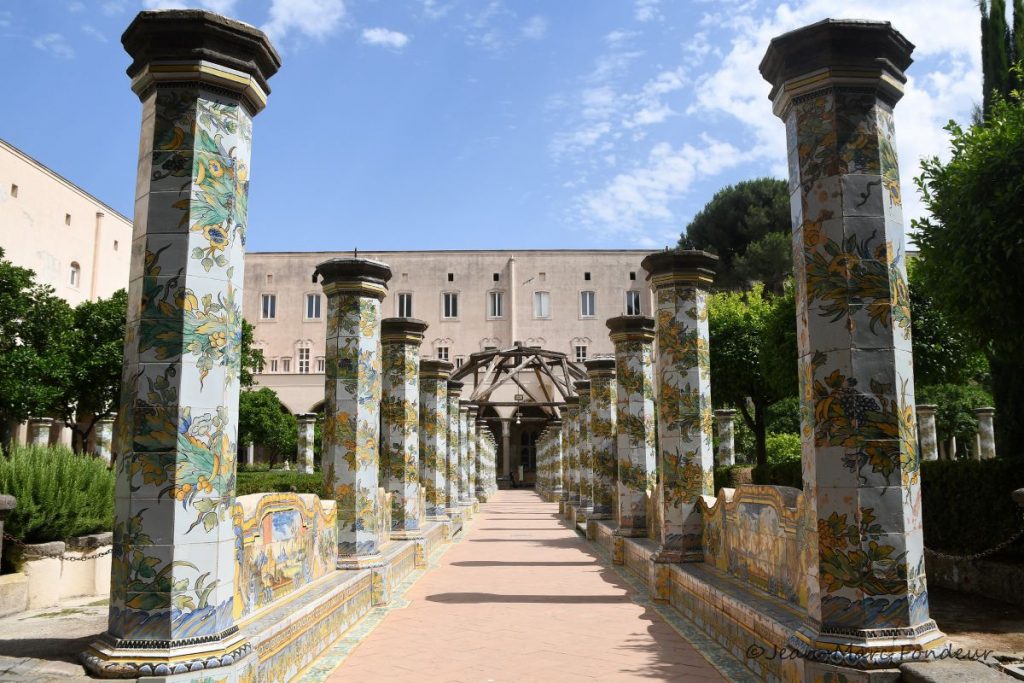
Found among the shops on busy streets or hidden in the vicoletti (small side streets), Naples’ churches are a testament to the city’s deep religious devotion and artistic history. The Naples Cathedral, with its intricate frescoes and ornate chapels, is a masterpiece of Baroque architecture. The Church of Santa Chiara captivates with its serene cloisters and vibrant majolica tiles.
Music and performing arts
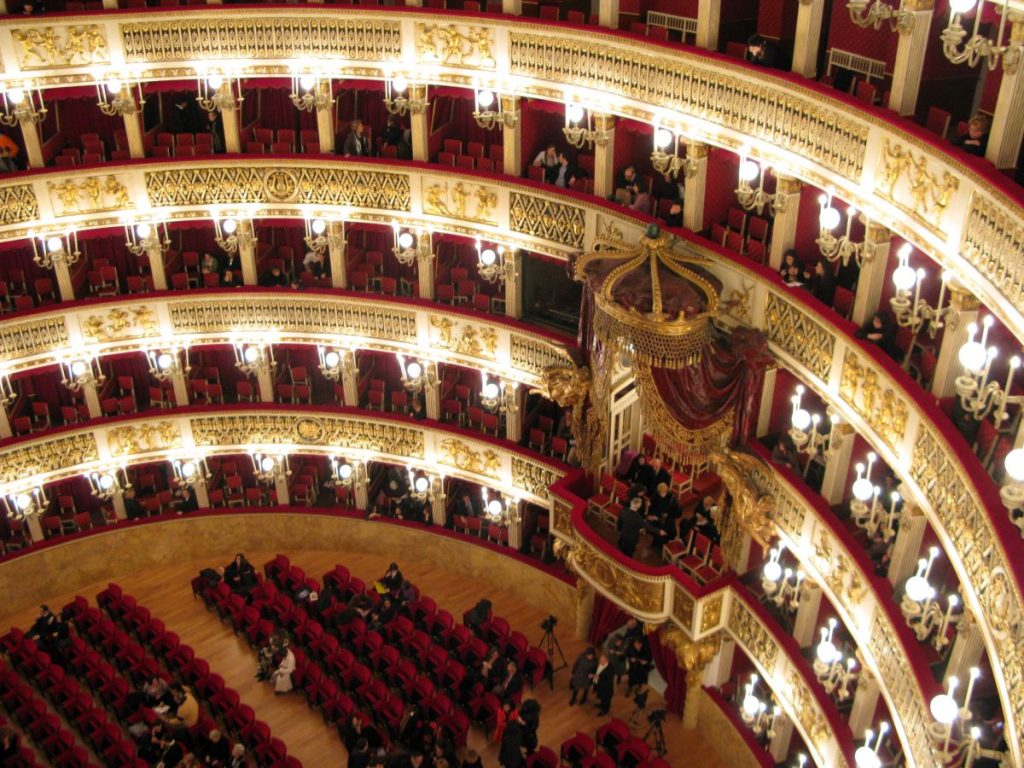
In Naples, music is more than just a form of entertainment, it’s a way of life. The Teatro di San Carlo, the oldest opera theater in the world, has been mesmerizing audiences for centuries with its moving performances and opulent décor.
Further showcasing Naples’ musical talent are the street musicians found on almost every corner. Whether it’s the soulful notes of a saxophone or the rhythmic beats of a tambourine, music is woven into the very fabric of Naples’ streets, infusing them with an undeniable sense of magic.
Street life and atmosphere
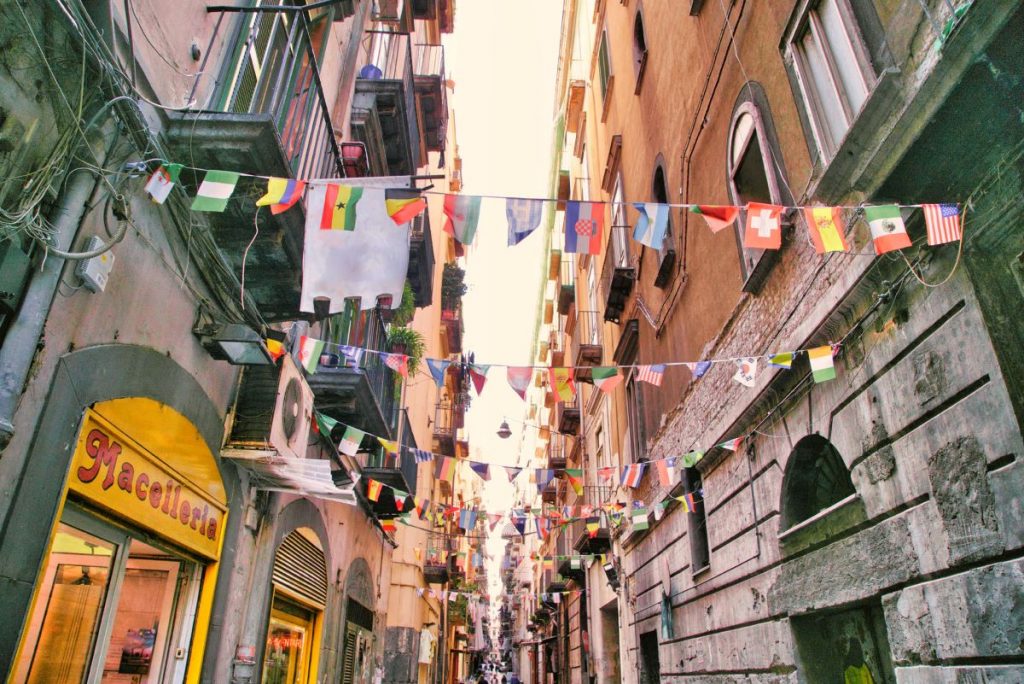
In Naples, the streets are not just thoroughfares; they’re stages where the city’s vibrant culture unfolds in a symphony of sights, sounds, and flavors. As the sun sets over the Bay of Naples, piazzas buzz as locals and visitors alike gather to socialize and savor the simple pleasures of life. Outdoor terraces fill with people enjoying an aperitivo and the sound of them clinking their glasses of Aperol spritz.
In the Spanish Quarters, street performers captivate passersby with their energetic performances, adding to the area’s lively atmosphere. In the city’s historic center, proud and jovial restaurateurs entice passersby to sit down and indulge in the best of the local cuisine. By the time you’ve given the waiter your order, you’ve made a new friend.
Whether you’re sharing a laugh with a street vendor or striking up a conversation with a stranger, there’s an unmistakable warmth and hospitality that defines the spirit of Naples.
Soccer obsession
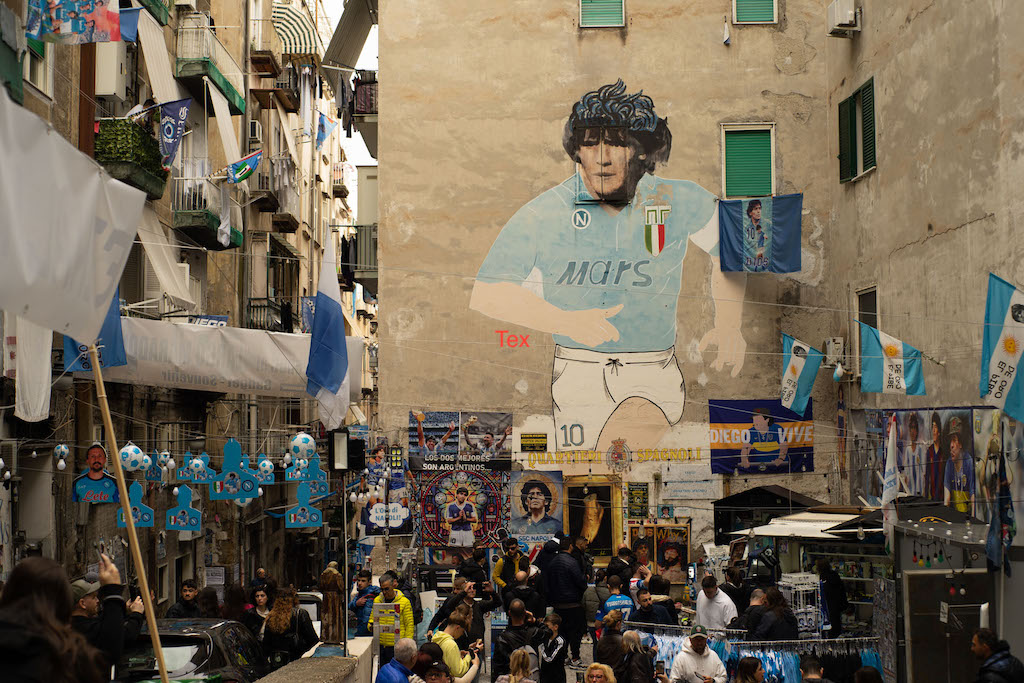
The final thing when talking about what Naples Italy is known for… is soccer. SSC Napoli, the city’s beloved football club, inspires a devotion among its supporters that borders on the religious. Since the team won the nation’s championship in 2023, the city has been draped in a sea of light blue, with banners and flags hanging from balconies and street poles citywide.
Matches at Diego Armando Maradona stadium are more than just sporting events—they’re epic battles that unite the city. The sense of camaraderie and passion creates an electric atmosphere that must be experienced to be believed. Whether you’re a die-hard fan or a casual observer, a visit to Naples during football season is an experience you won’t soon forget.
Insider’s Tip: Between espressos and pasta, find the Diego Maradona mural in the Quartieri Spagnoli. It showcases the city’s deep-seated adoration for the soccer hero. To Neapolitans, he is a symbol of hope and defiance
FAQ – What to see and do in Naples, Italy?
How do I get to Naples from abroad or other major Italian cities?
Naples International Airport offers flights from across Europe, and long-distance ferries connect the city with Sicily and the Amalfi Coast. Naples has great transport connections. High-speed trains from Rome, Florence, and Milan arrive at Napoli Centrale and make travel quick and easy, for example, Rome to Naples takes just over an hour. If you’re driving, the A1 motorway links Naples directly with northern Italy.
How do I get around Naples and visit nearby attractions?
Naples is also known for having a convenient public transport network including metro lines, buses, funiculars, and regional trains. To reach Pompeii, Herculaneum, and Sorrento, the Circumvesuviana train is the most budget-friendly option, while ferries from Molo Beverello take you to Capri, Ischia, and Procida. Taxis and ride apps are widely available, but always choose official, metered taxis for the best experience.
What should I expect when booking hotels in Naples?
Naples offers everything from boutique B&Bs to luxury hotels, but rooms can book up quickly in peak seasons. For the smoothest experience, book accommodation a few weeks in advance and look for hotels in Chiaia, the Centro Storico, or around Via Toledo for convenience and safety. Many hotels include breakfast, but be aware that you usually pay city taxes on-site, so double-check this in the booking details.
Ready to turn your trip into an unforgettable experience?
Discover the full range of expertly led experiences at Take Walks Tours where passionate local guides bring history, stories, and iconic sights to life. From world-famous landmarks and museums to immersive food and cultural experiences, these small-group guided tours offer deeper insight, seamless access, and unforgettable moments you’d miss on your own.
Explore with experts who know it best, and see the country through local eyes.
